

By Kingsley Ani
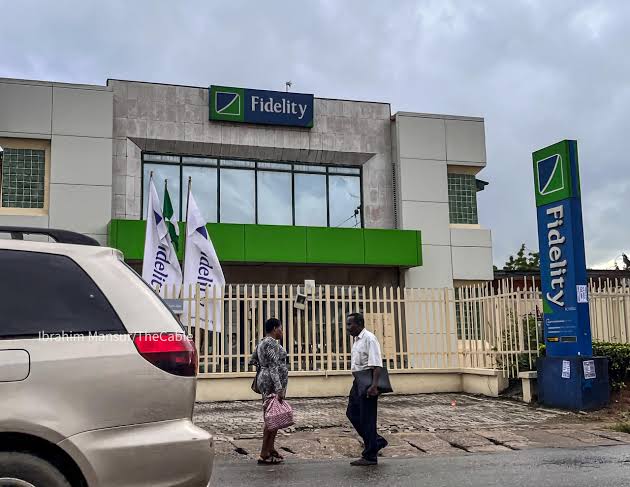
Fidelity Bank Plc has received stronger credit-rating support following a N227 billion equity injection that significantly increased its core capital ratio and removed a key capital constraint.
DEVELOPMENT
GCR Ratings raised Fidelity Bank’s national scale rating from A(NG) to A+(NG) on September 21, 2026, while retaining its short-term rating at A1(NG) and a stable outlook.
The rating action followed the bank’s N227 billion equity raise in 2025. The additional capital was recognised as core capital in 2026, enabling Fidelity Bank to meet the revised capital requirement for its licence category.
DATA
The clearest balance-sheet change is the increase in Fidelity Bank’s core capital ratio from 17.2 percent in December 2025 to 29.4 percent at the end of March 2026.
That represents a 12.2 percentage-point increase within three months.
The N227 billion was raised through equity rather than retained earnings alone, increasing the capital base available to support the bank’s operations while also creating a larger base against which future returns will be measured.
Meanwhile, Nigerian equities remained broadly positive on September 22, with total market capitalisation reaching N162.39 trillion, up N228.25 billion from the previous session. The benchmark index gained 0.14 percent to 249,804.56 points.
SIGNIFICANCE
The rating upgrade provides formal credit support for Fidelity Bank’s strengthened capital position.
The 29.4 percent core capital ratio gives the bank a substantially larger regulatory buffer than the 17.2 percent recorded at the end of 2025.
For investors, however, the distinction between stronger capitalisation and future investment returns remains important. The rating upgrade confirms improved capital strength, but it does not establish future earnings or a share-price target.
The equity raise also means that future returns must be assessed against a significantly larger capital base.
NEXT MOVE
The key issues to watch are how Fidelity Bank deploys the additional capital, the effect on earnings and returns, and whether the stronger capital position translates into sustained balance-sheet growth.
Investors will also be watching whether the A+(NG) rating and stable outlook are maintained as the bank operates under the revised capital requirements.
OUR LENS
The deeper signal is a shift in Fidelity Bank’s investment narrative from capital adequacy towards capital deployment.
The N227 billion equity injection has materially strengthened the bank’s capital position, with the core capital ratio rising to 29.4 percent. The A+(NG) rating provides external recognition of that improvement.
The next stage is therefore less about whether Fidelity Bank has sufficient capital and more about how efficiently that capital is converted into sustainable growth and returns.
For the Nigerian banking sector, the development also illustrates how fresh equity is changing the balance sheets of banks as they adjust to higher regulatory capital requirements.
Kingsley Ani is a journalist who has over the years been covering capital markets, corporate results, economic and public-interest developments with a focus on clear, factual reporting.
Discover more from StakeBridge Media
Subscribe to get the latest posts sent to your email.