

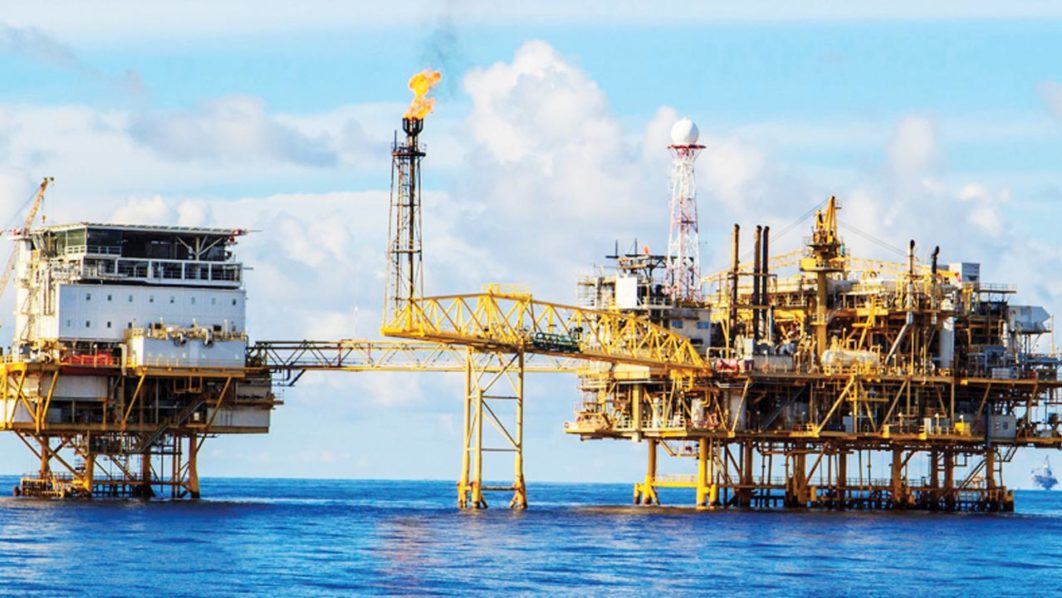
We cannot credibly speak of green industrialisation while millions of Africans remain constrained by unreliable and unaffordable energy. We must therefore confront the central contradiction in our development strategy: we possess gas, renewable resources, critical minerals and a large youthful population, yet we have repeatedly struggled to convert these assets into productive industrial capacity.
We see the Federal Government’s attempt to connect gas expansion with green industrialisation as a potentially important shift in emphasis. The Decade of Gas Initiative, the Presidential Compressed Natural Gas Initiative, and infrastructure such as the Ajaokuta–Kaduna–Kano and Obiafu–Obrikom–Oben pipelines should not be judged merely by kilometres of pipelines completed or volumes of gas transported. We should judge them by the industries they enable, the jobs they create and the value chains they establish. That is where we must become more demanding.
We cannot continue exporting hydrocarbons and importing finished products made from resources we already possess. When we talk about gas, we should be talking about reliable electricity, fertiliser, petrochemicals, manufacturing, transport and food production. When we talk about green industrialisation, we should be talking about how these sectors become more productive while progressively reducing their environmental footprint.
The warning from Minister of State, Petroleum Resources (Gas), Ekperikpe Ekpo, is therefore particularly relevant. We must ensure that our ambition goes beyond exporting raw materials. As Ekpo put it, “We must build competitive African industries, develop integrated value chains and ensure that African resources generate African wealth.”
We should also recognise the limits of a gas-led strategy. Gas can provide a practical bridge towards a lower-carbon economy, but it cannot become an excuse for postponing cleaner technologies indefinitely. If we are serious about industrial decarbonisation, methane emissions must fall, routine gas flaring must end and petroleum operations must become progressively cleaner. The more fundamental issue is execution.
We have heard ambitious industrial and energy promises before. What has often been missing is the infrastructure, financing, regulatory certainty and institutional coordination required to turn those promises into commercially viable projects. The Africa Green Industrialisation Initiative must therefore move beyond conferences and declarations. We need bankable projects, credible financing structures and measurable outcomes.
We should equally reject the idea that Africa must choose between development and climate responsibility. Our position should be more sophisticated. We need energy security and industrialisation while building progressively cleaner systems. We need climate finance, but we must also determine where and how that finance creates productive capacity.
As Ekpo correctly observed, “Africa must no longer be viewed merely as a recipient of climate finance, technology or externally defined development models. Africa must be an active architect of the global green economy.”
We should hold ourselves to that standard. The real test of Nigeria’s gas expansion will not be the rhetoric surrounding AKK, OB3 or the Decade of Gas. It will be whether these investments reduce energy constraints, stimulate manufacturing, deepen domestic value chains and improve competitiveness.
We cannot call it green industrialisation if we merely move gas through pipelines. We can call it industrial transformation only when that gas helps us build an economy capable of producing, processing and competing at scale.
Discover more from StakeBridge Media
Subscribe to get the latest posts sent to your email.