

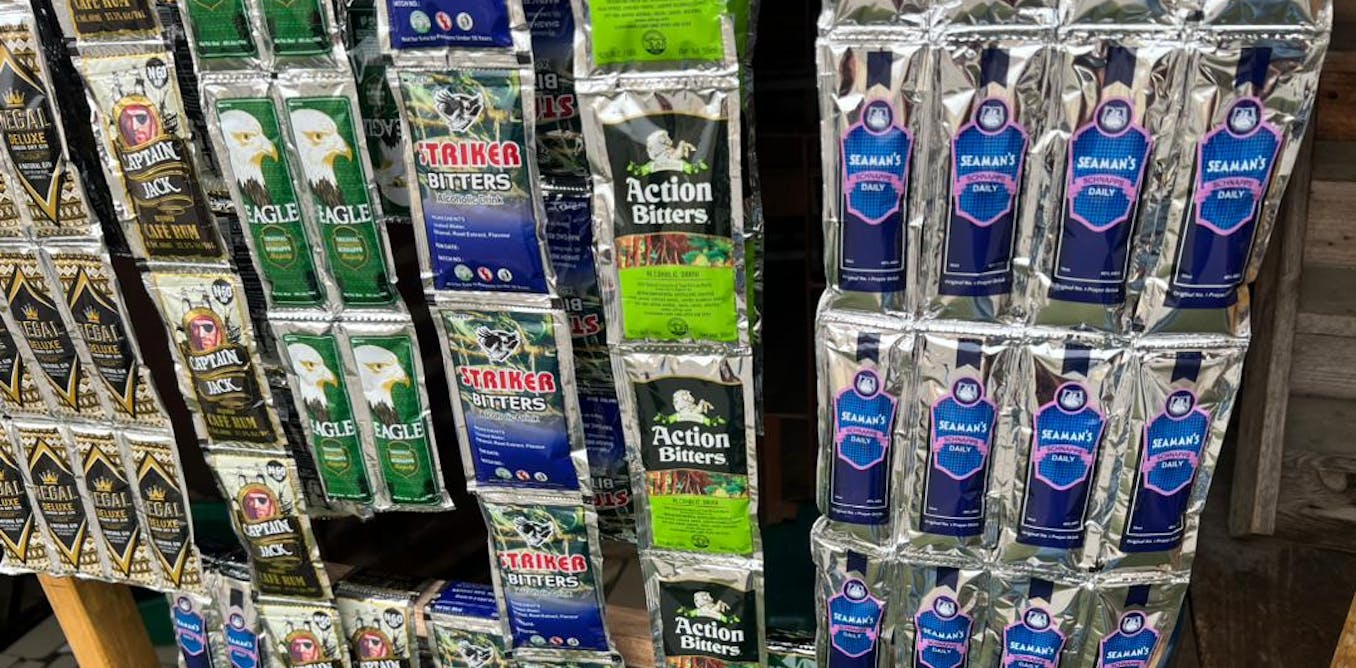
We believe the renewed debate over the ban on sachet alcoholic beverages deserves a calmer, more balanced national conversation than it has so far received. This is not a simple contest between regulators and manufacturers, nor is it a binary choice between public health and economic survival. It is, rather, a test of whether Nigeria can design regulation that protects society without unintentionally damaging livelihoods, revenue, and trust in governance.
On one side of the argument, the concerns driving the ban are not frivolous. Regulators such as the National Agency for Food, Drug Administration and Control (NAFDAC) are mandated to protect public health, especially in a country where enforcement gaps and informal markets already expose citizens to harm. Alcohol abuse, particularly among minors, is a legitimate social concern. Sachet packaging, critics argue, lowers the price barrier to alcohol access, making it easier for underage consumers to obtain it. In communities with weak age-verification practices, this concern cannot be waved away.
There is also a behavioural argument regulators often advance. Sachets are easy to conceal, easy to distribute informally, and difficult to monitor at the retail end. From this perspective, banning sachet alcohol is seen as a preventive intervention, an attempt to reduce accessibility before abuse escalates further. In a system with limited enforcement capacity, regulators may feel compelled to favour prohibition over complex monitoring regimes they fear they cannot sustain.
These arguments deserve acknowledgment. A state that ignores public health risks, or appears indifferent to underage consumption, risks losing moral authority. Any policy debate that pretends alcohol abuse is not a real problem is incomplete and dishonest.
However, the case against the ban is equally substantial, and this is where economic realism must enter the discussion. The Manufacturers Association of Nigeria (MAN) has warned that the renewed enforcement of the ban will hurt local manufacturers, disrupt value chains, and cost jobs. This warning is not abstract. The sachet alcohol segment supports a wide ecosystem, factories, packaging suppliers, distributors, transporters, retailers, and advertisers. When production is halted, the shock ripples outward, especially among low-income workers with few alternatives.
We must also confront a basic economic truth. Bans do not eliminate demand. They displace it. In Nigeria’s context, where border control and market surveillance are already stretched, banning regulated sachet alcohol risks expanding the market for illicit, unregulated alternatives. History suggests that when formal supply is removed, smuggling and counterfeit production fill the gap. The public health risks of unregulated alcohol are arguably greater than those posed by certified products produced under regulatory oversight.
There is also a governance dimension that cannot be ignored. MAN has pointed out that the House of Representatives, after stakeholder consultations and public hearings, previously restrained NAFDAC from implementing the ban. When regulatory agencies appear to act in ways that contradict other arms of government, businesses are left confused, and confidence in policy consistency erodes. An economy cannot attract or retain investment when operators do not know which directive will prevail.
Supporters of the ban argue that economic losses are a price worth paying for public health. But this framing assumes that the ban will actually achieve its intended outcomes. That assumption remains contested. MAN maintains that claims of widespread underage abuse linked specifically to sachet alcohol are not conclusively supported by empirical evidence, and that industry-funded responsible consumption campaigns have already cost operators over N1 billion. If these efforts are yielding results, then outright prohibition may be an excessive response.
At the same time, manufacturers must also accept scrutiny. Economic contribution alone cannot be a shield against regulation. If enforcement gaps exist at retail points, if age restrictions are routinely ignored, or if marketing practices indirectly target vulnerable groups, then regulators are right to intervene. The industry’s responsibility does not end at factory gates.
This is why we argue that the real choice is not ban versus no ban. It is blunt prohibition versus smart regulation. Nigeria needs policies that enforce age restrictions, strengthen retail monitoring, improve labelling, penalise offenders, and sustain public education, without collapsing legitimate businesses into illegality.
A balanced path forward requires dialogue, data, and discipline. Regulators must be guided by evidence, not sentiment. Manufacturers must prioritise responsibility, not just profit. And the federal government must ensure coherence across its institutions.
Discover more from StakeBridge Media
Subscribe to get the latest posts sent to your email.