

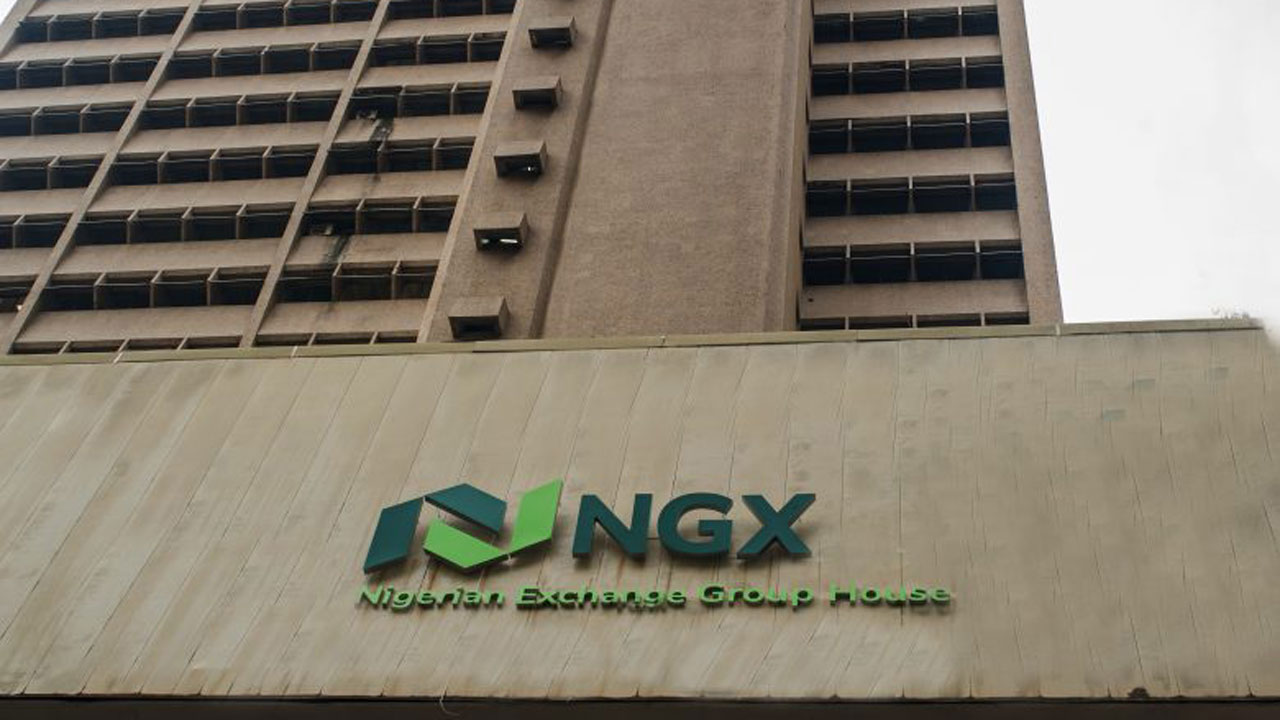
By Jennete Ugo Anya
The Nigerian Exchange Limited (NGX) reported total transactions of N2.404 trillion for January to February 2026, representing a 115.33 percent year-on-year increase from N1.116 trillion in the same period of 2025. February alone recorded N1.542 trillion in transactions, driven primarily by domestic investors.
DECISION HIGHLIGHT
- Strong rebound in February trading activity following January contraction
- Domestic investors accounting for over 90 percent of market participation
- Institutional investors leading liquidity expansion
- Continued net foreign capital outflow despite increased inflows
DECISION MEMO
The data reflects a structurally domestic-driven equities market, where liquidity expansion is increasingly decoupled from foreign investor participation. The sharp rebound in February, following a weak January, suggests that domestic institutional capital is now acting as the primary stabilising force within the Nigerian Exchange.
The dominance of domestic investors, accounting for 90.99 percent of activity, indicates a deepening localisation of market liquidity. This shift reduces exposure to external volatility but simultaneously limits access to foreign capital inflows that are critical for long-term market depth and valuation expansion.
Institutional investors’ outsized contribution, with participation rising by over 120 percent month-on-month, highlights a consolidation of market influence among large domestic players. This concentration introduces both stability and risk, stability through predictable capital flows, but risk through potential crowding and reduced diversity of market positioning.
Foreign participation presents a more nuanced picture. While inflows increased by 39.39 percent, the persistence of net outflows indicates unresolved concerns among offshore investors. The marginal improvement suggests tentative re-engagement rather than a full return of confidence.
The broader historical trend reinforces this dynamic. Domestic participation has consistently expanded, now accounting for the majority of market activity, while foreign participation, though growing, remains comparatively subdued. This structural imbalance reflects macroeconomic constraints, currency risk, and policy uncertainty.
Overall, the Nigerian equities market is demonstrating resilience through domestic capital mobilisation, but remains constrained in achieving full international investor integration.
DATA BOX
- Total transactions (Jan–Feb 2026): N2.404 trillion
- Year-on-year growth: 115.33 percent
- February transactions: N1.542 trillion
- Month-on-month growth (Feb vs Jan): 78.93 percent
- Domestic participation: N1.403 trillion (90.99 percent)
- Foreign participation: N139.03 billion (9.01 percent)
- Foreign inflows: N66.71 billion
- Foreign outflows: N72.32 billion
- Net foreign outflow: N5.61 billion
- Institutional domestic share: N854.83 billion (60.99 percent)
WHO WINS / WHO LOSES
Wins:
- Domestic institutional investors, through increased market influence
- Nigerian Exchange Limited, via higher transaction volumes
- Listed companies benefiting from improved liquidity
Loses:
- Foreign investors facing persistent macro and currency risks
- Retail investors, relative to institutional dominance
- Market depth, due to limited foreign participation
POLICY SIGNALS
- Increasing reliance on domestic capital to sustain market activity
- Gradual but incomplete recovery in foreign investor confidence
- Need for macroeconomic and currency stability to attract offshore capital
INVESTOR SIGNAL
- Strong domestic liquidity supports short-term market activity
- Limited foreign participation constrains long-term valuation expansion
- Institutional dominance may shape market direction and pricing dynamics
RISK RADAR
- Persistent net foreign capital outflows
- Concentration risk among domestic institutional investors
- Currency volatility deterring foreign participation
- Potential liquidity shocks if domestic flows weaken
- Structural imbalance between domestic and foreign capital participation
Discover more from StakeBridge Media
Subscribe to get the latest posts sent to your email.