

By Jennete Ugo Anya
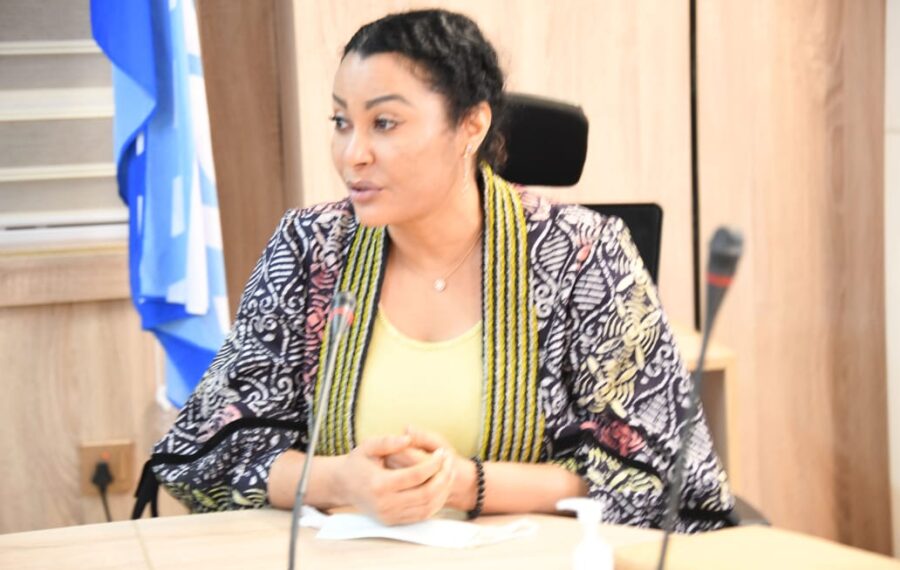
The Honourable Minister of State for Budget and Economic Planning, Doris Uzoka-Anite, recently in her office met with Elsie Attafuah, Resident Representative of the United Nations Development Programme (UNDP), to strengthen collaboration by aligning international technical support with Nigeria’s national planning and budgeting frameworks to drive inclusive economic growth.
DECISION HIGHLIGHT
The Ministry of Budget and Economic Planning is reinforcing partnerships with development institutions to integrate external technical assistance into domestic policy execution.
DECISION MEMO
The engagement reflects a coordination strategy aimed at improving the efficiency of development assistance within national systems. Uzoka-Anite emphasised “aligning international technical support with our national priorities,” signalling a shift from fragmented donor interventions towards structured integration.
The UNDP operates primarily through advisory, capacity-building, and programme support mechanisms. By embedding this support within government planning processes, authorities aim to enhance policy coherence and implementation outcomes.
The interaction also indicates a recognition that fiscal and planning frameworks require technical augmentation to deliver measurable development impact. While the discussion remained high-level, it underscores the role of multilateral partnerships in bridging institutional and capacity gaps.
However, the absence of specific programme commitments or quantified outcomes suggests the engagement is at a coordination stage rather than execution. The effectiveness of this alignment will depend on translation into actionable programmes and measurable results.
DATA BOX
- Institutions: Ministry of Budget and Economic Planning; United Nations Development Programme
- Engagement type: Courtesy visit, strategic discussion
- Focus areas: Economic planning, budget alignment, technical support
- Objective: Inclusive and sustainable growth
- Delivery mechanism: Policy alignment and capacity support
WHO WINS / WHO LOSES
The government gains access to technical expertise and programme support. Development partners enhance policy influence and implementation reach. Citizens benefit indirectly if alignment improves service delivery. Without execution, stakeholders gain limited immediate value.
POLICY SIGNALS
There is a continued emphasis on multilateral collaboration to support domestic economic planning. Authorities are prioritising policy alignment and institutional strengthening over standalone interventions.
INVESTOR SIGNAL
The engagement signals incremental improvements in policy coordination and institutional capacity, which may support long-term investment climate stability. Immediate investment implications remain limited.
RISK RADAR
Execution risk persists if coordination does not translate into actionable programmes. Dependency risk may arise from reliance on external technical support. Policy risk remains if alignment fails to produce measurable economic outcomes. Institutional capacity constraints could limit impact.
Discover more from StakeBridge Media
Subscribe to get the latest posts sent to your email.