

By Hannah Yemisi
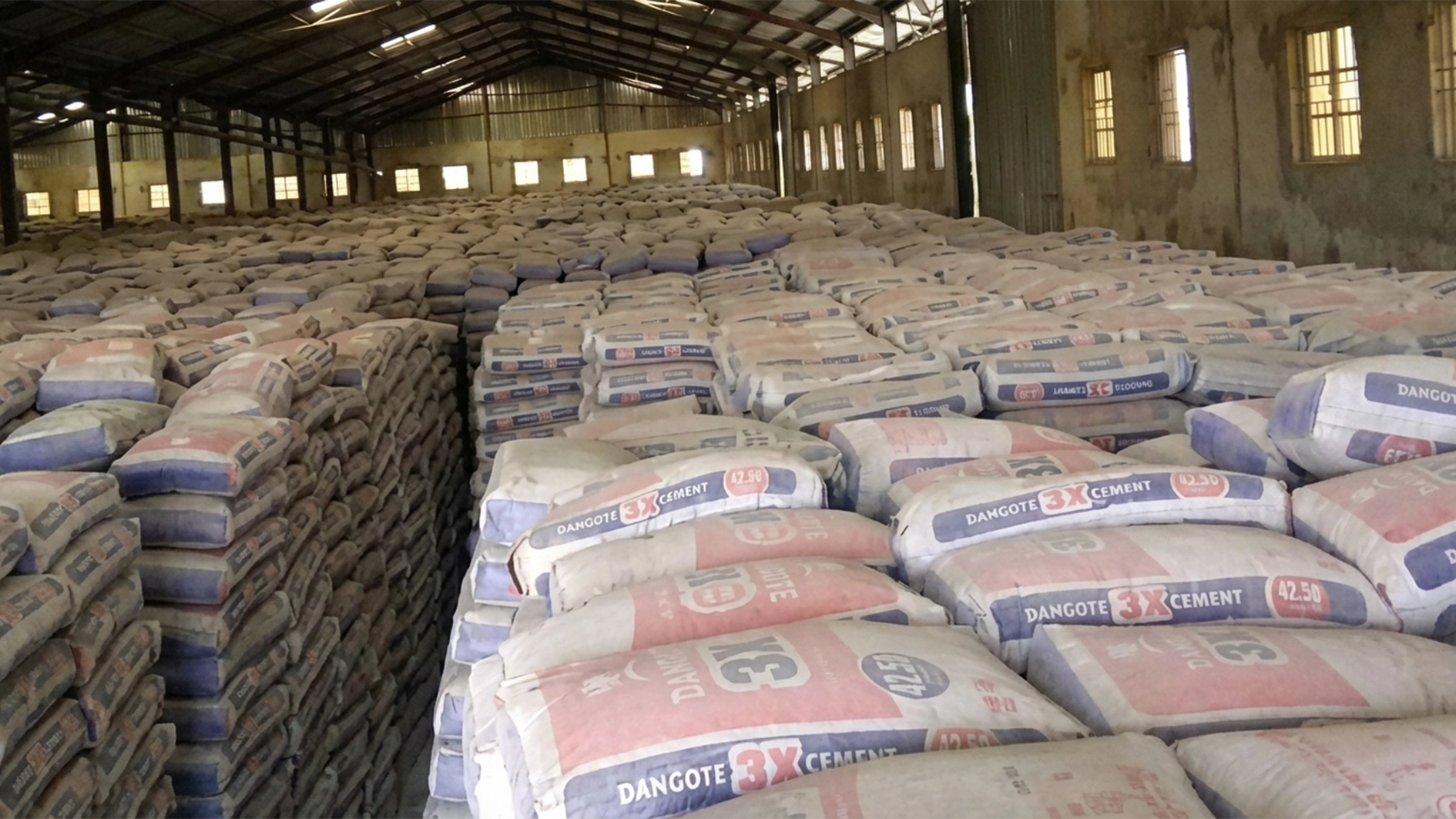
Dangote Cement Plc reported a 71.6 percent increase in cement and clinker exports from Nigeria in the Q1 2026, completing 10 clinker shipments to neighbouring African markets as total installed production capacity across the continent reached 55 million tonnes annually. According to the company’s unaudited Q1 results, group sales volumes rose 13.8 percent year-on-year, supported by 11.5 percent growth in Nigeria and 19.5 percent growth across pan-African operations. Group Managing Director and Chief Executive Officer, Arvind Pathak, stated that revenue increased 20.4 percent to N1.198 trillion, while earnings before interest, taxes, depreciation, and amortisation rose 22.8 percent to N567.1 billion. Profit before tax climbed 35 percent to N421.1 billion, while earnings per share rose to N19.14 from N12.29. Pathak said ongoing expansion projects in Côte d’Ivoire, Ethiopia, and Itori were expected to support the company’s long-term target of reaching 80 million tonnes annual production capacity by 2030.
DECISION HIGHLIGHT
Dangote Cement is repositioning Nigeria from a domestic cement production hub into a regional export and industrial supply platform integrated across African construction and infrastructure markets.
DECISION MEMO
The sharp rise in clinker exports indicates that Dangote Cement’s growth strategy is shifting beyond domestic market dominance towards regional supply chain consolidation across West and Central Africa.
The company’s export acceleration reflects a broader industrial transition in which Nigerian manufacturing firms are increasingly leveraging excess domestic production capacity to capture regional demand and foreign exchange opportunities. By completing 10 clinker shipments within one quarter, Dangote Cement appears to be institutionalising export logistics as a core revenue channel rather than an opportunistic surplus disposal mechanism.
The financial results also suggest that scale expansion is translating into stronger operating efficiency. Revenue growth outpaced volume growth, while earnings before interest, taxes, depreciation, and amortisation margins improved despite inflationary and energy cost pressures affecting industrial production across Africa.
Pathak’s emphasis on “disciplined cost control” and margin improvement signals that the company’s competitive advantage is increasingly linked to operational integration, logistics control, and regional production diversification rather than solely market share within Nigeria.
The commissioning of the Côte d’Ivoire grinding plant and expansion activity in Ethiopia and Itori further demonstrates a decentralised growth strategy aimed at positioning production assets closer to regional consumption centres. This reduces freight exposure while strengthening market penetration within fast-growing construction corridors.
The company’s performance also carries macroeconomic implications for Nigeria. The sustained growth in clinker exports reinforces the role of industrial manufacturing as a non-oil foreign exchange contributor, particularly as policymakers seek export diversification beyond hydrocarbons.
However, the expansion model remains heavily dependent on infrastructure efficiency, regional trade stability, energy costs, and currency conditions across multiple African jurisdictions.
DATA BOX
- Q1 2026 export growth from Nigeria: 71.6 percent
- Clinker shipments completed: 10
- Total installed African production capacity: 55 million tonnes annually
- Long-term production target by 2030: 80 million tonnes annually
- Q1 revenue: N1.198 trillion, up 20.4 percent
- Earnings before interest, taxes, depreciation, and amortisation: N567.1 billion, up 22.8 percent
- Profit before tax: N421.1 billion, up 35 percent
- Earnings per share: N19.14 from N12.29
- Total sales volume growth: 13.8 percent
- Nigeria sales volume growth: 11.5 percent
- Pan-African sales volume growth: 19.5 percent
- Nigeria production capacity: 35.25 million tonnes annually
- Obajana plant capacity: 16.25 million tonnes annually
- Ibese plant capacity: 12 million tonnes annually
- Gboko plant capacity: 4 million tonnes annually
- Okpella plant capacity: 3 million tonnes annually
WHO WINS / WHO LOSES
Dangote Cement strengthens its position as the dominant regional supplier within African cement and clinker markets, while export-linked logistics operators, infrastructure contractors, and regional construction markets may benefit from expanded supply access.
Nigeria potentially benefits through higher industrial exports and reduced dependence on imported construction materials within neighbouring markets.
Competing regional cement producers may face increased pricing and market share pressure as Dangote Cement expands distribution reach and production scale. Smaller domestic manufacturers operating without export infrastructure could also face intensified competitive strain.
POLICY SIGNALS
The performance reinforces the strategic importance of industrial manufacturing within Nigeria’s non-oil export diversification agenda.
The company’s regional expansion aligns with broader African Continental Free Trade Area objectives encouraging intra-African industrial trade, regional value chains, and cross-border manufacturing integration.
The export growth also reflects how industrial firms are increasingly responding to policy shifts favouring local production substitution and regional market integration.
INVESTOR SIGNAL
The results strengthen investor confidence in Dangote Cement’s ability to convert production scale into earnings growth, export expansion, and margin resilience despite macroeconomic pressures.
The combination of rising exports, regional diversification, and improving profitability may reinforce the company’s attractiveness to institutional investors seeking exposure to African infrastructure and industrialisation themes.
The expansion pipeline also signals sustained capital deployment capacity and long-term growth visibility across multiple African markets.
RISK RADAR
The principal risk remains operational exposure across multiple jurisdictions with varying currency conditions, energy costs, and political environments.
Export growth also increases dependence on logistics infrastructure, port efficiency, and regional trade stability. Any disruption in freight networks or border policies could weaken export momentum.
A secondary risk involves construction sector cyclicality. Slower infrastructure spending or weaker real estate activity across African markets could affect cement demand growth and utilisation rates.
Discover more from StakeBridge Media
Subscribe to get the latest posts sent to your email.