

By Johnson Emmanuel
The federal government (FG), through the Federal Ministry of Art, Culture, Tourism and the Creative Economy and the Infrastructure Concession Regulatory Commission (ICRC), is advancing plans for tourism-linked infrastructure projects centred on public-private partnerships (PPPs) in Abuja and other major cities. The proposals include 7-star hotels, a modern entertainment and concert arena, national museum revitalisation, and collaborations with Netflix on film production, training, and creative industry development.
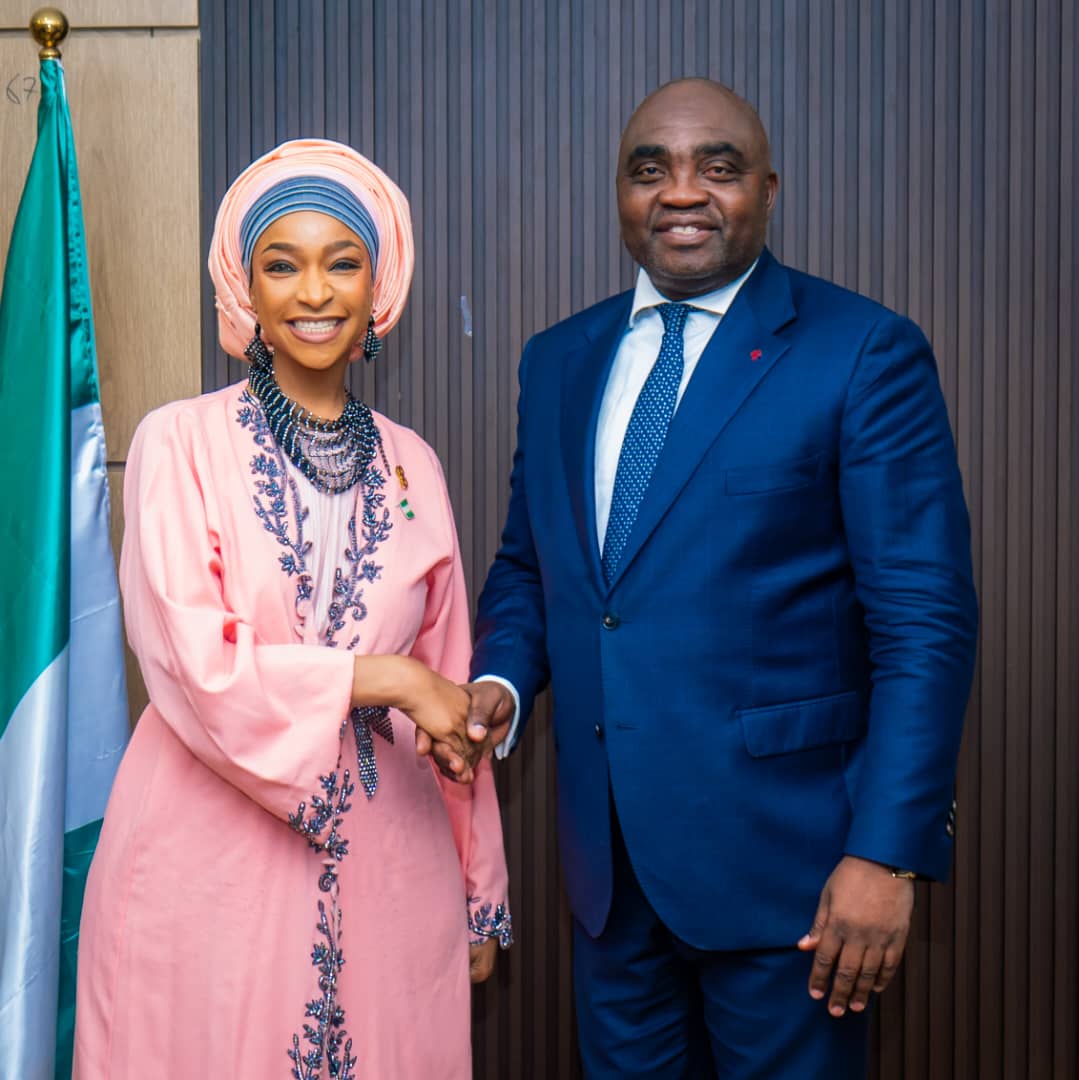
Speaking recently in Abuja, Hannatu Musawa, the Honourable Minister of Art, Culture, Tourism and the Creative Economy, argued that Nigeria’s global cultural visibility in music, fashion and food has outpaced supporting infrastructure capacity. “Our people travel to other countries for major entertainment events, and that represents a huge loss of economic value for Nigeria,” Musawa said. She projected that the sector could contribute up to $100 billion to gross domestic product by 2030 if infrastructure deficits are addressed.
Mr. Jobson Ewalefoh, Director-General (DG) of the ICRC, said that the commission had streamlined PPP processes to accelerate project implementation while preserving regulatory oversight and transparency.
DECISION HIGHLIGHT
The core policy decision is the federal government’s attempt to reposition tourism and the creative economy from a soft-power narrative into an infrastructure-led investment sector driven by concessionary financing and private capital participation.
DECISION MEMO
The proposal reflects an emerging policy shift in which tourism infrastructure is increasingly being framed as an economic diversification asset rather than a cultural expenditure line. The emphasis on PPPs signals recognition that fiscal constraints limit the state’s ability to directly finance large-scale hospitality and entertainment infrastructure.
However, the ambition embedded in “7-star” positioning introduces immediate commercial and strategic questions. Nigeria’s tourism market remains structurally constrained by air connectivity gaps, urban security concerns, inconsistent electricity supply, weak destination management systems, and limited high-spending international tourist inflows. Premium hospitality infrastructure without simultaneous ecosystem upgrades risks asset underutilisation.
The entertainment arena proposal may carry stronger near-term viability given Nigeria’s already exportable music and live entertainment industry. A modern arena could reduce outbound entertainment spending, improve event hosting economics, and deepen domestic monetisation of Afrobeats and related creative exports.
The museum revitalisation component also suggests an attempt to reposition cultural assets within the broader creative economy framework, potentially linking tourism, heritage, film production, and digital content ecosystems. The Netflix engagement further indicates that government sees intellectual property and content distribution as economic infrastructure categories rather than purely artistic sectors.
Still, execution remains the defining variable. Nigeria’s PPP environment has historically struggled with project continuity, regulatory overlap, financing closure delays, and concession disputes. The credibility of this initiative will therefore depend less on announcement scale and more on bankable structuring, land governance clarity, investor protections, and revenue sustainability models.
DATA BOX
- Proposed projects: 7-star hotels, entertainment arena, museum revitalisation
- Delivery structure: Public-private partnerships (PPPs)
- Institutions involved: Federal Ministry of Art, Culture, Tourism and the Creative Economy; Infrastructure Concession Regulatory Commission
- International collaboration target: Netflix
- Government GDP projection for sector: $100 billion by 2030
- Primary locations mentioned: Abuja and major Nigerian cities
- Strategic sectors linked: Tourism, entertainment, hospitality, film production, creative economy
WHO WINS / WHO LOSES
Potential winners:
- Hospitality developers and infrastructure investors
- Entertainment promoters and live event operators
- Film production firms and creative industry workers
- Construction and urban development companies
- States with tourism-ready ecosystems
Potential losers:
- Existing low-capacity entertainment venues facing competitive displacement
- Public finances if guarantees are poorly structured
- Investors if PPP governance and revenue assumptions weaken project viability
POLICY SIGNALS
The initiative signals stronger federal interest in using tourism and creative assets as non-oil growth drivers. It also reflects a broader policy preference for infrastructure concessions and private capital mobilisation under the administration of President Bola Ahmed Tinubu. The emphasis on regulatory streamlining suggests awareness that bureaucratic friction has historically undermined PPP momentum.
INVESTOR SIGNAL
The projects may attract interest from hospitality groups, infrastructure funds, sovereign investors, entertainment operators, and global media firms seeking exposure to Nigeria’s consumer and cultural economy. However, investor participation will likely remain conditional on enforceable concession agreements, currency stability, security assurances, and transparent revenue frameworks.
RISK RADAR
Key risks include weak project bankability, policy discontinuity, exchange-rate volatility, land acquisition disputes, security concerns, and demand overestimation for ultra-premium hospitality assets. There is also reputational risk if flagship projects are announced without financing closure or implementation timelines. The commercial success of the initiative ultimately depends on whether infrastructure delivery can match Nigeria’s already established cultural influence.
Discover more from StakeBridge Media
Subscribe to get the latest posts sent to your email.