

By Jennete Ugo Anya
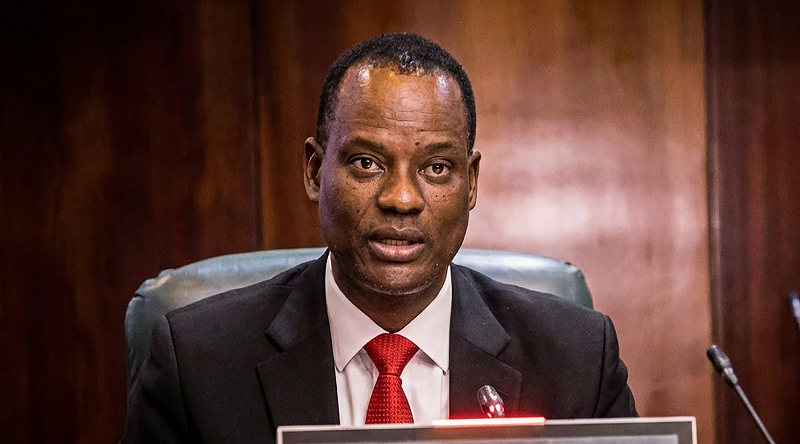
The Honourable Minister of Finance and Coordinating Minister of the Economy, Mr. Taiwo Oyedele, recently in Abuja unveiled the Office of the Tax Ombud’s digital case management portal, official website, and toll-free call centre aimed at strengthening taxpayer protection and dispute resolution under Nigeria’s evolving tax reform architecture. The launch, attended by senior government officials including Honourable Minister of Information and National Orientation, Mohammed Idris, and Head of the Civil Service of the Federation, Mrs. Didi Esther Walson-Jack, introduces a technology-driven mechanism allowing taxpayers nationwide to file complaints, monitor disputes, and access mediation services remotely and free of charge.
Oyedele said that the initiative seeks to “simplify tax administration, reduce arbitrariness, protect taxpayers’ rights, encourage voluntary compliance, and build a fair and globally competitive fiscal system.” Tax Ombud and Chief Executive, Dr. John Nwabueze, stated that the institution was established as an “independent and impartial institution” designed to improve accessibility, transparency, and confidence within the tax ecosystem.
DECISION HIGHLIGHT
The federal government has operationalised a digital taxpayer protection framework through the Office of the Tax Ombud, integrating online dispute resolution, case tracking, and toll-free complaint channels into Nigeria’s tax administration structure. The initiative institutionalises an intermediary oversight layer between taxpayers and revenue authorities while advancing the broader tax reform agenda of President Bola Tinubu’s administration.
DECISION MEMO
The unveiling signals an important structural shift in Nigeria’s fiscal governance model, from enforcement-centred taxation toward compliance legitimisation through institutional trust-building.
While the immediate policy instrument is digital dispute resolution, the broader strategic objective appears to be behavioural: improving taxpayer confidence in anticipation of wider tax base expansion and more aggressive revenue mobilisation efforts. The creation of a visible taxpayer protection mechanism reflects official recognition that compliance cannot scale sustainably where dispute resolution is perceived as opaque, arbitrary, or inaccessible.
Oyedele’s emphasis that “taxpayers are treated not as adversaries, but as partners” suggests an attempt to recalibrate the state-citizen fiscal relationship amid ongoing reforms designed to widen Nigeria’s non-oil revenue base. The initiative also reduces friction costs associated with tax disputes, particularly for small businesses, salaried workers, and entities operating outside major urban administrative centres.
The Office of the Tax Ombud introduces a quasi-regulatory accountability layer capable of indirectly moderating enforcement behaviour by tax authorities. In practical terms, this may gradually constrain arbitrary assessments, delayed complaint resolution, and procedural opacity that historically weakened voluntary compliance culture.
The reform additionally reflects Nigeria’s increasing adoption of digitised governance systems within revenue administration. By embedding real-time case tracking and remote complaint processing, authorities are attempting to align tax governance with global compliance and service-delivery standards while reducing human interface risks.
However, the effectiveness of the framework will depend less on platform availability and more on institutional independence, enforcement neutrality, inter-agency cooperation, and the willingness of tax authorities to subject administrative conduct to external review.
DATA BOX
- Initiative unveiled: Digital case management portal, official website, toll-free call centre
- Institution: Office of the Tax Ombud
- Venue: Abuja
- Access model: Nationwide digital and telephone access, free of charge
- Legal basis: Joint Revenue Board of Nigeria (Establishment) Act, 2025
- Tax Ombudsman appointed: November 2025
- Key reform focus: taxpayer rights, dispute mediation, voluntary compliance, digital governance
- Oversight objective: reduce arbitrariness and abuse of power within tax administration
- Beneficiaries: individuals, businesses, civil servants, taxpayers nationwide
WHO WINS / WHO LOSES
Who Wins:
- Taxpayers requiring lower-cost dispute resolution channels
- Small businesses and individuals facing administrative bottlenecks
- Digitally integrated tax institutions benefiting from higher compliance legitimacy
- Federal authorities pursuing broader voluntary tax compliance
Who Loses:
- Informal actors benefiting from opaque tax processes
- Revenue officials vulnerable to oversight scrutiny and procedural accountability
- Institutions reliant on discretionary enforcement practices
- Tax intermediaries profiting from dispute-processing inefficiencies
POLICY SIGNALS
- Nigeria is institutionalising taxpayer protection alongside revenue expansion reforms
- Fiscal reforms are shifting from pure collection targets toward governance legitimacy
- Technology-enabled tax administration is becoming central to public finance management
- Government intends to reduce litigation through administrative mediation frameworks
- The state is repositioning tax compliance as a service-based rather than purely coercive system
INVESTOR SIGNAL
The initiative strengthens perceptions of procedural modernisation within Nigeria’s fiscal environment. For investors, the establishment of a structured dispute resolution mechanism may improve confidence around tax administration predictability, transparency, and procedural recourse.
The reform also indicates that Nigeria’s tax strategy increasingly prioritises compliance efficiency and institutional credibility rather than solely higher tax extraction. If effectively implemented, the framework could modestly reduce regulatory uncertainty and improve the operating climate for formal sector businesses.
RISK RADAR
- Weak institutional independence could undermine Ombud credibility
- Delayed case resolution may erode confidence in the platform
- Limited digital literacy could restrict accessibility outside urban centres
- Inter-agency resistance may weaken enforcement of Ombud recommendations
- Rising complaint volumes may exceed operational capacity
- Perceived political interference could compromise neutrality and investor confidence
Discover more from StakeBridge Media
Subscribe to get the latest posts sent to your email.