

By Olumide Johnson
Recent amendments to the International Convention for the Safety of Life at Sea (SOLAS) are introducing stricter operational safety, vessel classification and cargo monitoring requirements across the global maritime industry, with significant implications for shipowners, insurers, port regulators and cargo operators.
According to a maritime advisory released by Aluko & Oyebode under its ‘Maritime Monday’ series, the 2026 amendments to SOLAS Chapter V now require newly built containerships and bulk carriers of 3,000 gross tonnes and above to install mandatory electronic inclinometers for real-time vessel stability tracking.
The advisory stated that the devices continuously measure vessel tilting and rolling, with data transmitted directly into Voyage Data Recorders to improve navigational accuracy, cargo monitoring and incident verification.
The amendments also formally recognise containerships as a distinct vessel category under SOLAS through updated Cargo Ship Safety Construction and Cargo Ship Safety Equipment certification structures.
DECISION HIGHLIGHT
The International Convention for the Safety of Life at Sea is moving toward stricter digital vessel monitoring, enhanced cargo stability compliance and clearer vessel classification standards.
The amendments also increase the evidentiary role of digital operational data within maritime liability disputes and insurance investigations.
DECISION MEMO
The latest SOLAS amendments reflect a broader structural transition currently unfolding across the global shipping industry, where maritime safety regulation is increasingly becoming data-driven, digitally monitored and legally evidence-oriented.
For decades, vessel seaworthiness assessments and cargo incident investigations relied heavily on handwritten logs, crew testimony and fragmented operational records. The introduction of mandatory electronic inclinometers materially changes that framework by embedding continuous digital stability monitoring directly into vessel operations.
The implications extend beyond navigation safety alone.
Under the new regime, vessel tilt, rolling behaviour and cargo stability movements will now generate verifiable digital records capable of influencing insurance disputes, liability claims and seaworthiness assessments.
The amendments therefore strengthen the evidentiary weight of operational technology within maritime legal frameworks.
According to the advisory, where previous investigations depended on subjective reconstruction using deck logs and weather reports, digital monitoring systems now provide “continuous, unalterable digital records that show exactly how the ship behaved.”
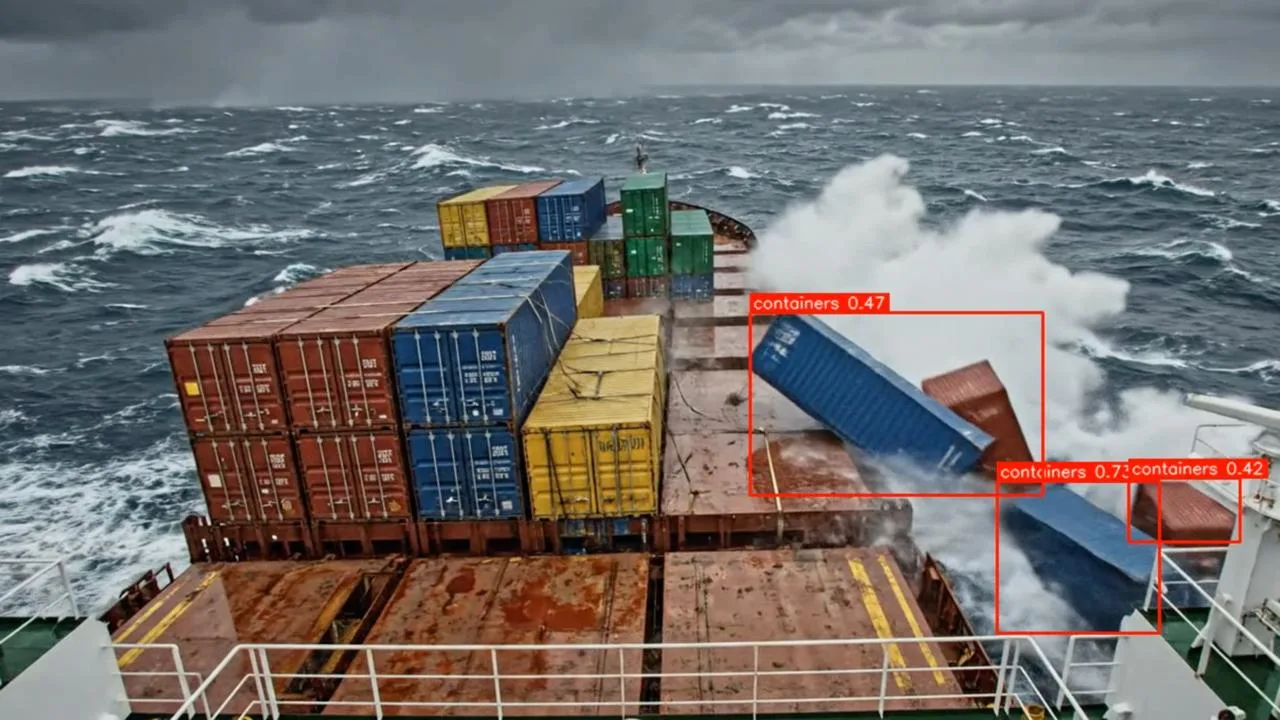
The development is particularly significant for cargo liability disputes involving shifting cargo, improper loading or stability failures during severe weather conditions.
Equally important is the formal recognition of containerships as a distinct vessel category under SOLAS certification structures.
Despite dominating global trade for decades, containerships historically operated without explicit classification recognition under earlier SOLAS certification systems.
The revised framework aligns vessel certification with modern shipping realities, simplifying Port State Control inspections and reducing regulatory ambiguity surrounding vessel categorisation.
The amendments also reinforce how automation and digital infrastructure are increasingly reshaping maritime governance globally.
Electronic inclinometers connected directly to Voyage Data Recorders effectively create permanent operational audit trails capable of strengthening compliance monitoring, improving incident reconstruction and reducing evidentiary uncertainty during legal proceedings.
For insurers, charterers and maritime financiers, that shift potentially improves risk visibility and claims verification standards.
At the same time, the amendments increase operational compliance obligations for vessel owners and operators required to retrofit systems, upgrade monitoring infrastructure and maintain digital compliance integrity.
The broader direction suggests maritime regulation is evolving beyond physical vessel compliance toward integrated digital oversight frameworks where operational data increasingly determines legal exposure, liability allocation and insurance outcomes.
DATA BOX
- Legal Framework: International Convention for the Safety of Life at Sea
- Effective Amendments: 2026 SOLAS Chapter V revisions
- Affected Vessels:
- Newly built containerships
- Bulk carriers
- Threshold:
- 3,000 gross tonnes and above
- New Mandatory Technology:
- Electronic inclinometers
- Core Functions of Inclinometers:
- Real-time vessel tilt monitoring
- Rolling measurement
- Stability tracking
- Data Integration Requirement:
- Direct transmission into Voyage Data Recorders
- Certification Changes:
- Formal recognition of containerships under Cargo Ship Safety Construction and Cargo Ship Safety Equipment certificates
- Legal Areas Potentially Affected:
- Cargo liability disputes
- Seaworthiness assessments
- Insurance investigations
- Port State Control inspections
WHO WINS / WHO LOSES
Potential Winners:
- Marine insurers seeking stronger evidentiary clarity
- Port regulators and inspection authorities
- Maritime technology providers
- Charterers requiring improved cargo risk monitoring
- Shipping operators with advanced digital compliance systems
Potential Losers:
- Operators relying on ageing vessel infrastructure
- Smaller shipping firms exposed to retrofit costs
- Parties dependent on subjective operational reporting during disputes
- Non-compliant vessel operators facing regulatory exposure
POLICY SIGNALS
The amendments signal accelerating integration of digital monitoring technologies into global maritime safety governance.
The revised framework also reflects increasing regulatory preference for real-time operational transparency and evidence-based compliance systems.
The formal recognition of containerships further demonstrates regulatory adaptation to evolving global shipping structures and cargo patterns.
INVESTOR SIGNAL
For investors, the amendments reinforce long-term demand growth for maritime compliance technology, vessel retrofitting services and digital marine safety infrastructure.
The increased use of operational data within liability and insurance processes may also improve risk pricing efficiency across shipping and marine insurance markets.
However, compliance costs and retrofit obligations may pressure operators with weaker capital structures.
RISK RADAR
- Rising vessel retrofit and compliance costs
- Increased legal exposure from digital operational records
- Cybersecurity vulnerabilities within vessel monitoring systems
- Compliance gaps among older fleets
- Insurance disputes over data interpretation
- Higher operational costs for smaller operators
- Transition risks during global implementation phase
Discover more from StakeBridge Media
Subscribe to get the latest posts sent to your email.