

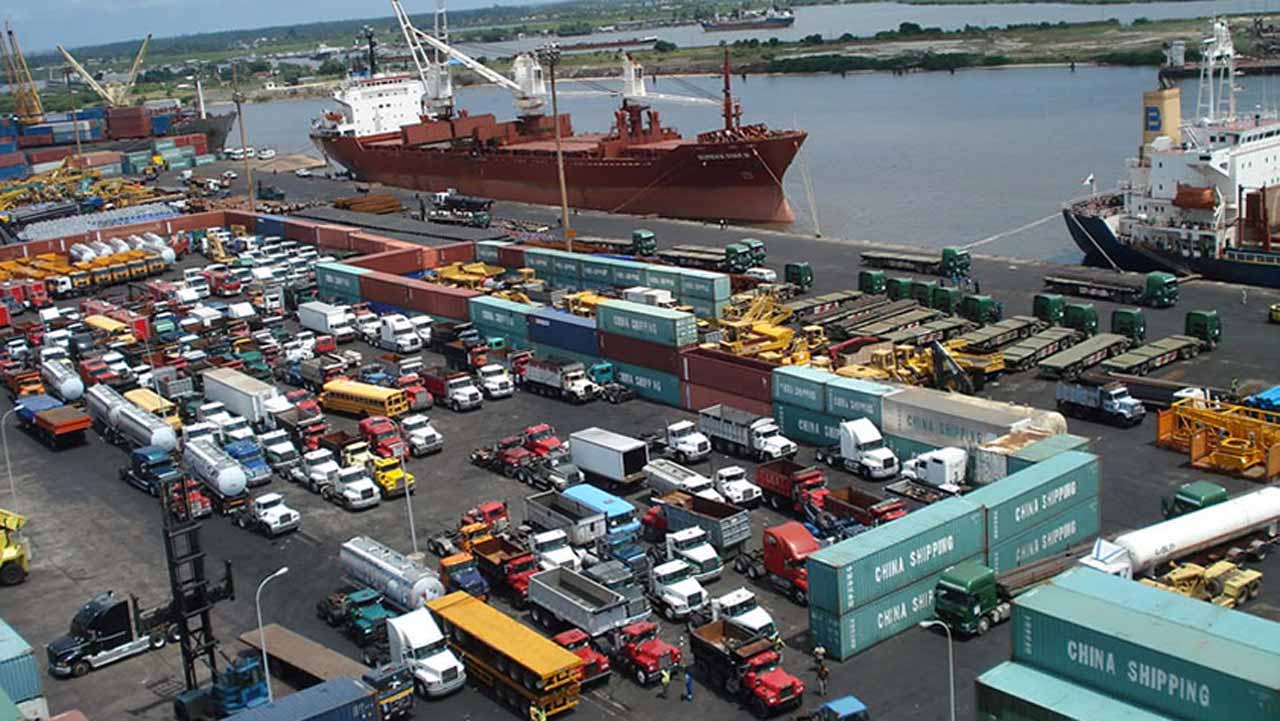
The Nigerian Ports Authority (NPA) has announced that 43 cargo vessels carrying petroleum products, food supplies and industrial cargoes are scheduled to berth at Apapa Port, Lekki Deep Sea Port and Tincan Island Port in Lagos between May 26 and June 6, reinforcing Nigeria’s maritime logistics capacity and trade supply resilience.
According to the authority’s Daily Shipping Position, the incoming vessels include eight container ships and 35 additional vessels transporting petrol, aviation fuel, diesel, wheat, fertiliser, fresh fish and other strategic cargoes into the country.
The NPA further disclosed that 11 vessels had already arrived awaiting berthing approval, while 21 vessels were actively discharging cargoes including bulk urea, wheat, sugar, gypsum, trucks and containers across the Lagos port corridor.
The shipping activity reflects increasing operational throughput within Nigeria’s port system as the federal government continues infrastructure modernisation and logistics efficiency reforms aimed at strengthening trade facilitation and supply-chain stability.
DECISION HIGHLIGHT
The vessel inflow demonstrates the NPA’s growing role in sustaining uninterrupted cargo movement into Nigeria’s largest commercial corridor despite persistent pressure on global supply chains and regional logistics systems.
The cargo mix also highlights the strategic importance of Lagos ports in supporting energy security, food supply continuity and industrial production across the Nigerian economy.
DECISION MEMO
The scale and diversity of incoming cargo traffic reinforce the NPA’s central role within the federal government’s broader maritime modernisation and trade facilitation agenda.
The operational activity across Apapa Port, Lekki Deep Sea Port and Tincan Island Port suggests improving port utilisation and expanding cargo-handling coordination within Nigeria’s busiest maritime gateways. The increasing integration of Lekki Deep Sea Port into cargo operations also reflects the government’s long-term infrastructure expansion strategy aimed at reducing pressure on legacy ports and improving throughput efficiency.
The steady arrival of petroleum cargoes, agricultural commodities and industrial inputs further indicates that Nigeria’s maritime infrastructure continues to function as a stabilising channel for domestic supply chains despite macroeconomic pressure and international trade volatility.
The NPA’s handling of simultaneous vessel arrivals, berthing coordination and discharge activity also reflects ongoing institutional efforts to improve operational efficiency, support trade continuity and sustain investor confidence within the maritime sector.
Beyond logistics, the cargo movement carries wider economic implications. Petroleum imports support downstream market stability, while wheat, fertiliser and industrial cargoes reinforce manufacturing, food processing and agricultural productivity across multiple sectors of the economy.
DATA BOX
- Incoming vessels scheduled: 43
- Arrival period: May 26 to June 6
- Ports involved:
- Apapa Port
- Lekki Deep Sea Port
- Tincan Island Port
- Container vessels expected: Eight
- Vessels awaiting berthing approval: 11
- Vessels currently discharging cargoes: 21
- Key cargo categories:
- Petrol
- Aviation fuel
- Diesel
- Bulk wheat
- Fertiliser
- Fresh fish
- Bulk sugar
- Trucks
- Containers
- Gypsum
- Economic sectors supported:
- Energy
- Manufacturing
- Agriculture
- Logistics
- Consumer goods
WHO WINS / WHO LOSES
Winners:
- Nigerian manufacturers dependent on imported industrial inputs
- Agricultural value chains requiring fertiliser and food commodities
- Petroleum marketers and downstream supply operators
- Port logistics, haulage and freight service providers
- Consumers benefiting from improved supply-chain continuity
Potential Losers:
- Competing regional ports seeking West African cargo dominance
- Businesses negatively affected by slower logistics adaptation outside Lagos corridors
POLICY SIGNALS
The sustained vessel traffic supports the federal government’s ongoing port modernisation and trade facilitation reforms designed to strengthen Nigeria’s competitiveness as a regional maritime and logistics hub.
The operational role of Lekki Deep Sea Port within the cargo ecosystem also signals growing returns on recent infrastructure investments aimed at expanding national port handling capacity and improving cargo efficiency.
The cargo profile further reflects continued government focus on supply-chain resilience, food availability and energy market stability.
INVESTOR SIGNAL
The strong cargo pipeline reinforces confidence in Nigeria’s maritime trade volumes and the long-term strategic relevance of the country’s port infrastructure.
Continued throughput growth across Lagos ports may strengthen investor appetite for logistics infrastructure, warehousing, freight services, marine operations and industrial supply-chain investments linked to port activity.
The increasing operational visibility of Lekki Deep Sea Port also supports the investment case for expanded private-sector participation in Nigeria’s maritime infrastructure ecosystem.
RISK RADAR
- Port congestion pressure from rising cargo volumes
- Urban logistics bottlenecks around Lagos corridors
- Global commodity and shipping price volatility
- Infrastructure strain from sustained import throughput
- Customs processing delays affecting cargo turnaround
- Foreign exchange pressure on import financing
- Weather and maritime operational disruptions
Discover more from StakeBridge Media
Subscribe to get the latest posts sent to your email.