

By Kingsley Ani
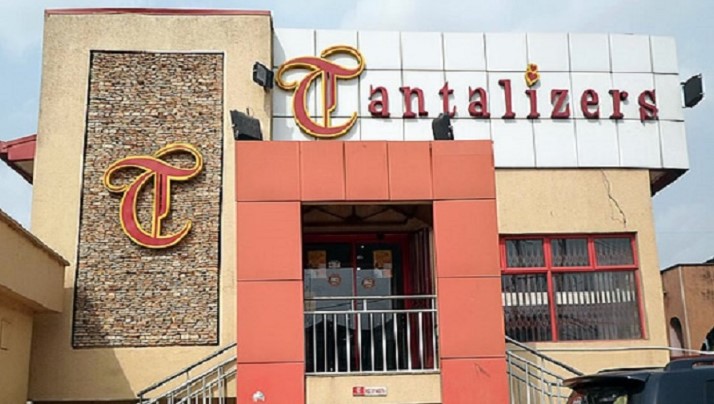
Tantalizers Plc has signed a memorandum of understanding (MoU) with Karflex Fisheries Limited and Karflex Investment Limited to acquire 24 fish trawlers and shrimpers, 13 cold room facilities and related fisheries infrastructure, deepening the company’s expansion into Nigeria’s marine and blue economy sectors.
The proposed transaction, disclosed through the Nigerian Exchange (NGX), will see Tantalizers Fisheries Limited conduct legal, financial, technical, operational, environmental and commercial due diligence before completion, which remains subject to regulatory approvals, valuation outcomes and definitive transaction agreements.
The acquisition forms part of Tantalizers Plc’s broader diversification strategy following its restructuring into a ‘Foodtainment Group’, with expansion now extending beyond quick-service restaurants into industrial fish trawling, seafood processing, cold-chain logistics and export operations.
Dr. Israel Ovirih, representing Chairman of Tantalizers Plc, Alhaji Adam Nuru, stated: “This marks one of the many strategic mergers and acquisitions undertaken since the restructuring of Tantalizers Plc into a Foodtainment Group.”
DECISION HIGHLIGHT
Tantalizers Plc is repositioning itself from a traditional consumer food brand into an integrated food supply and export platform anchored on fisheries, logistics and foreign exchange-generating operations.
The acquisition strategy reflects a deliberate attempt to secure upstream production assets and export-linked revenue streams amid pressure on consumer-facing businesses within Nigeria’s inflationary environment.
DECISION MEMO
The proposed Karflex transaction signals a significant strategic shift in Tantalizers Plc’s operating model. Rather than relying primarily on downstream retail food consumption, the company is moving aggressively into industrial seafood production, cold-chain infrastructure and export-oriented supply networks.
The strategy appears designed to achieve three objectives simultaneously: diversify earnings beyond the restaurant business, secure foreign exchange exposure through exports and capture greater control over food supply-chain economics.
Tantalizers Plc’s expansion trajectory since late 2024 suggests the company is attempting to build a vertically integrated fisheries business rather than merely adding ancillary marine assets. Previous acquisitions, international partnerships and export agreements indicate a longer-term ambition to establish commercial scale within Nigeria’s underdeveloped blue economy.
Ovirih stated that the Karflex assets would be integrated into Tantalizers Fisheries Limited to create “a wholly owned fishing and trawling business targeting both local and international seafood markets.”
The emphasis on seafood exports is commercially significant. Nigeria’s food and agriculture sectors increasingly face foreign exchange constraints, making export-oriented agribusiness models more attractive to listed companies seeking currency diversification and earnings resilience.
Wilson Samuel, Chairman of Karflex Fisheries Limited, stated: “We believe this transaction represents a significant opportunity to unlock the full commercial value of the assets.”
However, the expansion also increases operational complexity. Industrial fisheries require capital-intensive fleet maintenance, cold-chain efficiency, regulatory compliance and export market consistency, all of which differ materially from restaurant operations.
DATA BOX
- Proposed acquisition assets:
- 24 fish trawlers and shrimpers
- 13 cold room facilities
- Related fisheries infrastructure
- Strategic sectors targeted:
- Industrial fish trawling
- Shrimping
- Seafood processing
- Cold-chain logistics
- Export operations
- Prior expansion milestones:
- December 2024: Memorandum of understanding for DanBethel Marine Services Limited
- March 2025: Acquisition of 10 fishing trawlers
- Establishment of Tantalizers Fisheries Limited
- Partnership with Quinn Fisheries and Harvester Fishing
- November 2025: Five-year multimillion-dollar shrimp and prawn export agreement with Harvester Fisheries LLC
- Share performance:
- Closing price on May 25, 2026: N4.50
- Opening price on May 26, 2026: N4.70
- Year-to-date performance: 88 percent
- Trading activity: More than 1.8 billion shares traded year-to-date
- Q1 2026 pretax profit: N18.3 million
- Q1 2025 pretax profit: N83.6 million
- Q1 2026 net revenue: N396.2 million
WHO WINS / WHO LOSES
Winners:
- Tantalizers Plc shareholders if diversification strengthens long-term earnings
- Export-linked seafood operators and logistics providers
- Cold-chain and fisheries supply-chain participants
- Nigeria’s non-oil export ecosystem
Potential Losers:
- Investors expecting pure quick-service restaurant exposure
- Smaller fisheries operators facing scale competition
- Shareholders if capital-intensive expansion weakens near-term profitability
POLICY SIGNALS
The transaction aligns with broader federal emphasis on developing Nigeria’s blue economy as a non-oil growth and export diversification channel.
It also reflects increasing corporate migration towards export-oriented sectors capable of generating foreign exchange earnings amid persistent macroeconomic and currency pressures.
The move further highlights rising investor interest in food security infrastructure, cold-chain systems and integrated agricultural supply networks.
INVESTOR SIGNAL
Tantalizers Plc is repositioning itself as a diversified food infrastructure and export platform rather than solely a consumer restaurant brand.
The market reaction suggests investors are pricing in future growth potential from fisheries and export operations despite weaker near-term profitability.
However, sustained investor confidence will depend on execution capacity, operational integration and the company’s ability to convert expansion activity into stable cash-flow generation.
RISK RADAR
- Integration risks across acquired marine assets
- High capital and maintenance costs within industrial fisheries
- Export market volatility and regulatory exposure
- Foreign exchange and logistics risks
- Operational complexity beyond core restaurant expertise
- Environmental and sustainability compliance pressures
- Earnings dilution from expansion-related costs
- Commodity price and seafood demand fluctuations
Discover more from StakeBridge Media
Subscribe to get the latest posts sent to your email.