

By Hannah Yemisi
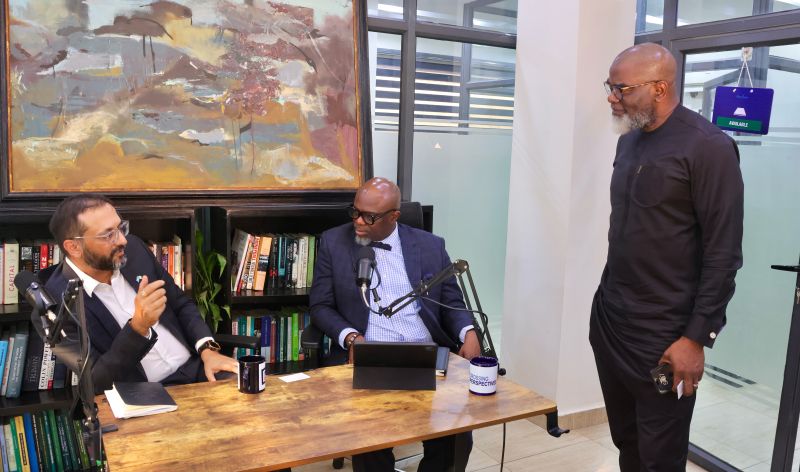
Nextier convened policy and humanitarian discussions on displacement through its Crossing Perspectives podcast on May 6, 2026, where Ndubuisi N. Nwokolo, PhD, engaged Arjun Jain, Representative of the United Nations High Commissioner for Refugees in Nigeria, on the structural realities of displacement, humanitarian strain and long-term integration challenges across Nigeria. The discussions focused on moving beyond emergency response frameworks and camp closures toward sustainable systems centred on institutional strengthening, inclusive policies, financing mechanisms and economic opportunities for displaced populations. Follow-up conversations involving Patrick O. Okigbo III and the Nextier team further emphasised the private sector’s role in supporting skills development and sustainable inclusion.
DECISION HIGHLIGHT
The discussions reflect increasing recognition that displacement in Africa is evolving from a short-term humanitarian issue into a long-term economic, governance and social integration challenge.
DECISION MEMO
The framing of displacement as “a question of systems, survival, and solutions” signals a shift away from traditional humanitarian narratives focused primarily on relief distribution toward broader structural policy concerns involving governance capacity, economic inclusion and institutional resilience.
The engagement between Nextier and the United Nations High Commissioner for Refugees also reflects growing concern that humanitarian systems alone may no longer be sufficient to manage protracted displacement pressures across African economies facing insecurity, climate disruptions and social fragility.
Ndubuisi N. Nwokolo and Arjun Jain reportedly focused on the need to move “beyond emergency responses and camp closures toward long-term, sustainable solutions.”
That transition suggests policymakers and humanitarian actors increasingly recognise that camp-based interventions without economic integration pathways may deepen long-term dependency risks and social vulnerability.
The emphasis on “stronger institutions, inclusive policies, sustainable financing, and meaningful opportunities for displaced communities” also points to widening acknowledgement that displacement management is becoming closely tied to labour markets, urban planning, education systems and national development frameworks.
The post-discussion emphasis by Patrick O. Okigbo III and the broader Nextier team on private-sector participation further illustrates how displacement policy is increasingly intersecting with enterprise development and workforce inclusion strategies.
In the discussions, it was established that “the private sector has a critical role to play in driving skills development, economic opportunities, and sustainable inclusion for displaced populations.”
That positioning reflects broader global policy trends where refugee and internally displaced populations are increasingly viewed not solely as humanitarian beneficiaries, but as potential contributors to economic productivity if properly integrated into labour and enterprise systems.
Nextier further stated that it remained committed to “fostering conversations that bridge research, policy, and practice to shape more impactful and sustainable solutions across Africa.”
DATA BOX
- Event platform: Crossing Perspectives podcast
- Discussion date: May 6, 2026
- Key participants:
- Ndubuisi N. Nwokolo, PhD
- Arjun Jain, Representative of the United Nations High Commissioner for Refugees in Nigeria
- Patrick O. Okigbo III
- Core themes discussed:
- Displacement systems
- Humanitarian strain
- Camp closure transition
- Sustainable inclusion
- Skills development
- Institutional strengthening
- Sustainable financing
- Key stakeholders identified: humanitarian institutions, governments, private sector, displaced communities
WHO WINS / WHO LOSES
Winners:
- Displaced populations gaining access to long-term integration opportunities
- Private-sector actors participating in workforce inclusion systems
- Policymakers prioritising sustainable social stability frameworks
- Development institutions focused on resilience-based interventions
Losers:
- Short-term humanitarian dependency models
- Weak institutions unable to manage prolonged displacement pressures
- Economies excluding displaced populations from productive participation
POLICY SIGNALS
The discussions signal increasing policy movement toward integrating displacement management into broader economic planning, labour participation and institutional development frameworks rather than treating it solely as emergency humanitarian response.
INVESTOR SIGNAL
The growing focus on sustainable inclusion and private-sector participation may create opportunities for impact investors, development finance institutions and social enterprise platforms targeting education, housing, skills development and economic integration solutions linked to displaced populations.
RISK RADAR
Persistent insecurity, weak institutional coordination, funding constraints and political sensitivity around migration remain significant risks. Long-term displacement without viable integration pathways may also intensify unemployment pressures, urban stress, social tensions and fiscal burdens across vulnerable regions.
Discover more from StakeBridge Media
Subscribe to get the latest posts sent to your email.