

By Ovio Peters
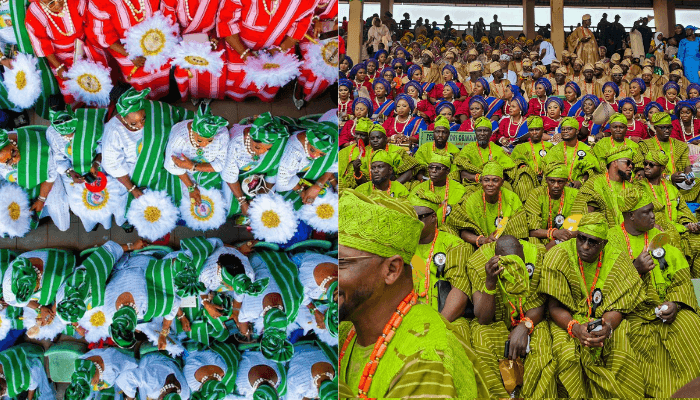
The 2026 Ojude Oba Festival in Ijebu-Ode, Ogun State, brought together traditional institutions, government officials, cultural stakeholders, tourists, celebrities and thousands of participants in what has evolved from a post-Eid cultural gathering into one of Nigeria’s most visible heritage economy events. Held on May 29, the festival marked the first edition since the passing of the Awujale of Ijebuland, Oba Sikiru Kayode Adetona. Participants included Ogun State Governor Prince Dapo Abiodun, Honourable Minister of Art, Culture, Tourism and the Creative Economy, Hannatu Musawa, Seyi Tinubu, former President Chief Olusegun Obasanjo, age-grade groups, horse-riding families and cultural organisations. Through fashion, tourism, hospitality, entertainment and digital engagement, the festival converted cultural identity into measurable economic activity.
DECISION HIGHLIGHT
Ojude Oba is increasingly functioning as a cultural economy platform rather than solely a traditional festival, creating commercial opportunities across tourism, hospitality, fashion, transportation, media and the creative industries.
DECISION MEMO
The most significant development emerging from Ojude Oba 2026 is not the spectacle itself but the continuing monetisation of cultural capital.
Historically, cultural festivals were primarily social and communal gatherings. Ojude Oba now demonstrates how traditional institutions can become economic assets capable of attracting spending, investment attention, tourism traffic and international visibility.
Governor Dapo Abiodun linked heritage preservation to economic opportunity when he stated: “We are building a state that honours its heritage because culture is not only our identity, but also a source of social cohesion and economic opportunity.”
The festival’s commercial footprint extends well beyond the palace square. Fashion designers, textile merchants, jewellers, makeup artists, photographers, event planners, transport operators, hotels, restaurants, security providers and content creators all participate in an expanding ecosystem supported by festival spending.
The prominence of figures such as Farooq Oreagba, popularly known as the “King of Steeze”, illustrates another transition. Cultural relevance is increasingly amplified through digital platforms. Viral content generated around personalities, fashion statements and festival moments has transformed Ojude Oba into a national and international social media event, extending its reach far beyond Ogun State.
The emergence of personalities such as “Mama Steeze” further demonstrates how modern cultural events generate public discourse that reinforces visibility and audience engagement. Whether celebrated or criticised, such moments increase media attention and deepen public participation.
The festival also illustrates the growing convergence between culture and destination branding. As governments seek non-oil growth opportunities, heritage assets increasingly serve as economic infrastructure capable of attracting domestic and international visitors.
From a development perspective, Ojude Oba provides evidence that cultural preservation and economic growth need not be mutually exclusive objectives.
DATA BOX
- Event: Ojude Oba Festival 2026
- Location: Ijebu-Ode, Ogun State
- First edition following the transition of Oba Sikiru Kayode Adetona
- Participants included:
- Prince Dapo Abiodun, Governor of Ogun State
- Hannatu Musawa, Minister of Art, Culture, Tourism and the Creative Economy
- Seyi Tinubu
- Chief Olusegun Obasanjo, former President
- Major economic beneficiaries:
- Hotels
- Transport operators
- Fashion designers
- Textile traders
- Food vendors
- Security providers
- Content creators
- Event service providers
Estimated Economic Activity (Analytical Projection)
- Visitor spending impact: N3 billion to N5 billion
- Hospitality sector revenue: N800 million to N1.5 billion
- Fashion and luxury apparel spending: N1 billion to N2 billion
- Transportation and logistics revenue: N300 million to N700 million
- Event security and operations expenditure: N200 million to N500 million
- Digital media, advertising and content-related activity: N100 million to N300 million
These estimates are indicative projections based on the scale of attendance, security deployment, hospitality demand and commercial activity observed around comparable major Nigerian cultural festivals.
WHO WINS / WHO LOSES
Who Wins
- Ogun State tourism ecosystem.
- Local businesses and informal traders.
- Hospitality and transportation operators.
- Fashion and textile industries.
- Digital content creators and media platforms.
- Cultural institutions benefiting from increased visibility.
Who Loses
- Competing tourism destinations during the event period.
- Small operators unable to meet demand standards.
- Local infrastructure exposed to temporary congestion and capacity pressure.
POLICY SIGNALS
The festival signals growing recognition of culture as an economic development tool rather than solely a heritage asset. It also reflects increasing alignment between tourism policy, creative economy development and subnational economic diversification strategies.
The participation of federal and state officials suggests that cultural assets are becoming part of broader economic planning conversations.
INVESTOR SIGNAL
Ojude Oba demonstrates the commercial potential of Nigeria’s cultural economy. The event highlights investment opportunities in heritage tourism, hospitality infrastructure, destination marketing, digital content production, cultural merchandising, event management and luxury fashion.
For investors, the festival reinforces the proposition that culture can generate recurring economic activity when supported by branding, infrastructure and digital amplification.
RISK RADAR
- Over-commercialisation could weaken cultural authenticity.
- Infrastructure constraints may limit future growth.
- Security costs could rise as attendance expands.
- Dependence on social media visibility may create volatile audience cycles.
- Weak tourism infrastructure could reduce international visitor conversion.
- Limited measurement of economic impact may constrain long-term investment planning.
Discover more from StakeBridge Media
Subscribe to get the latest posts sent to your email.