

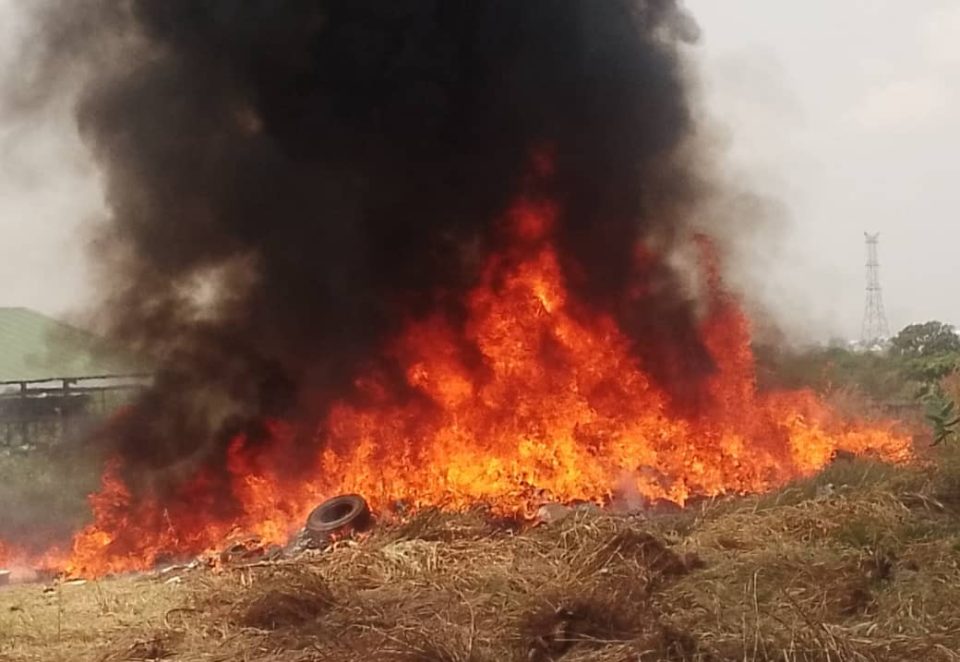
Let us not continue to measure the success of public health regulation merely by the volume or monetary value of products destroyed. The destruction of more than N8 billion worth of banned alcoholic beverages, counterfeit drugs and other unwholesome products by the National Agency for Food and Drug Administration and Control (NAFDAC) in Nasarawa State is significant, though. Yet, we must ask a more fundamental question: how did products of such value enter the market, reach consumers and remain available for distribution in the first place?
The destruction exercise at Unguwar Rere village in Lafia, disclosed by NAFDAC North-Central Zonal Director, Joseph Edor, demonstrates the scale of the regulatory challenge confronting Nigeria. The confiscated products, recovered through raids and inspections across shops, stores and markets, included banned alcoholic beverages, counterfeit and adulterated goods, expired food items, drugs and cosmetics that failed to meet regulatory standards.
We must commend the agency for enforcing standards and removing dangerous products from circulation. We must also recognise the importance of cooperation between regulators, security agencies, trade associations and other stakeholders in identifying and intercepting illegal products.
However, we should not mistake successful destruction for a complete regulatory victory. Every major seizure should provoke questions about the supply chain, the distributors, the manufacturers, the financing arrangements and the channels through which prohibited products reach consumers. If these networks remain intact, the destruction of seized goods may offer only temporary relief.
The concern over alcoholic beverages in small-sized packages deserves particular attention. Edor explained that their availability, affordability and portability have contributed to misuse and addiction, particularly among young people and underage schoolchildren. This is a serious public health concern that requires more than periodic raids.
We must confront the commercial logic behind the problem. Small packaging makes products easier to purchase, carry and consume discreetly. Where affordability and accessibility combine with inadequate enforcement and weak consumer awareness, the risks become more pronounced. Protecting young people therefore requires sustained market surveillance, responsible retail practices, public education and effective enforcement against illegal distribution.
We must equally resist the temptation to treat alcohol regulation as an isolated problem. The presence of counterfeit medicines, adulterated products and expired food items in the same destruction exercise points to a wider weakness in market compliance. These products exploit gaps in inspection, traceability, consumer awareness and enforcement.
Our regulatory institutions must therefore strengthen the systems that prevent harmful products from entering the marketplace. We need more effective intelligence gathering, risk-based inspections, stronger border surveillance, traceable distribution channels and credible penalties for manufacturers and distributors who deliberately violate public health regulations.
We must also recognise that regulation cannot succeed through enforcement agencies acting alone. Manufacturers must uphold product standards. Distributors and retailers must verify the authenticity and regulatory status of their merchandise. Trade associations must discourage members from participating in illegal supply chains. Security agencies must support investigations that lead beyond the seizure of products to the identification and prosecution of those responsible.
There is also a responsibility on consumers. We must become more conscious of what we purchase, where we purchase it and whether the products meet established safety standards. Public education should make it easier for Nigerians to identify suspicious products and report violations without fear or uncertainty.
Yet, we cannot transfer the burden of consumer protection entirely to the public. NAFDAC and other relevant authorities must remain adequately equipped, professionally independent and sufficiently resourced to discharge their mandates.
Ultimately, we should judge the success of the Nasarawa exercise not simply by the N8 billion worth of products destroyed, but by whether the operation leads to fewer illegal products in circulation, stronger compliance among businesses and a measurable reduction in public exposure to harmful goods.
Discover more from StakeBridge Media
Subscribe to get the latest posts sent to your email.