

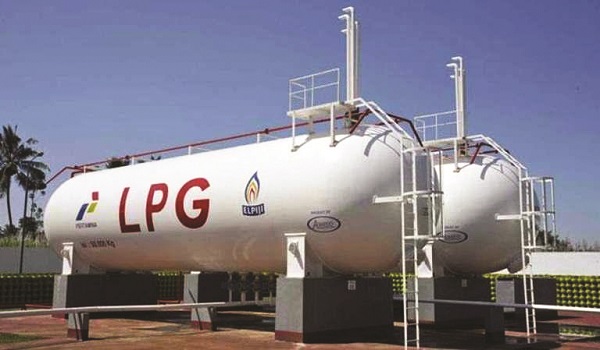
We cannot build a reliable domestic Liquefied Petroleum Gas (LPG) market on weak enforcement, inconsistent standards and avoidable operational failures. If Nigeria wants LPG and propane to become dependable components of its energy transition, we must first insist that every link in the value chain meets the standards designed to protect consumers and sustain the market.
The engagement by the Nigerian Midstream and Downstream Petroleum Regulatory Authority (NMDPRA) with gas processing companies is therefore more than another industry meeting. We should see it as a necessary regulatory intervention at a time when the expansion of LPG distribution demands stronger discipline from processors, distributors and other operators.
We must recognise the central issue: availability without safety is not progress. LPG must reach households and businesses in sufficient quantities, but it must also be processed, handled and distributed according to established standards. Any failure along that chain can undermine consumer confidence, disrupt supply and ultimately weaken the investment case for the domestic market.
We should equally recognise that regulation is not simply about imposing restrictions on operators. Effective regulation creates the conditions under which serious businesses can invest with greater certainty. When standards are clear and consistently enforced, compliant operators are protected from unfair competition, consumers are better protected, and the market becomes more predictable.
The NMDPRA’s engagement also matters because operational bottlenecks cannot be resolved through regulation alone. We need sustained collaboration between the regulator and industry. Concerns affecting processing, distribution and market efficiency must be identified early and addressed before they become supply constraints or safety problems.
We should therefore judge the Authority by execution, not declarations. Its stated commitment to being “Firm in Regulation, Fair in Conduct and Fast in Execution” must translate into predictable enforcement, timely decisions and consistent treatment of operators.
We must also reject the false choice between regulation and investment. Strong regulation is itself an investment enabler when it provides clarity, protects legitimate operators and reduces systemic risk. Conversely, weak regulation may create short-term convenience while imposing much larger costs on consumers and the industry.
Nigeria’s LPG opportunity is too important to leave to regulatory complacency. We need a value chain in which processors maintain standards, distributors operate responsibly, regulators enforce decisively and consumers receive safe and reliable products.
If we are serious about expanding domestic LPG and propane consumption, we must make compliance the foundation of that expansion, not an afterthought. A growing market without discipline is fragile. A growing market built on safety, reliability and credible regulation can become sustainable.
Discover more from StakeBridge Media
Subscribe to get the latest posts sent to your email.