

By Hannah Yemisi
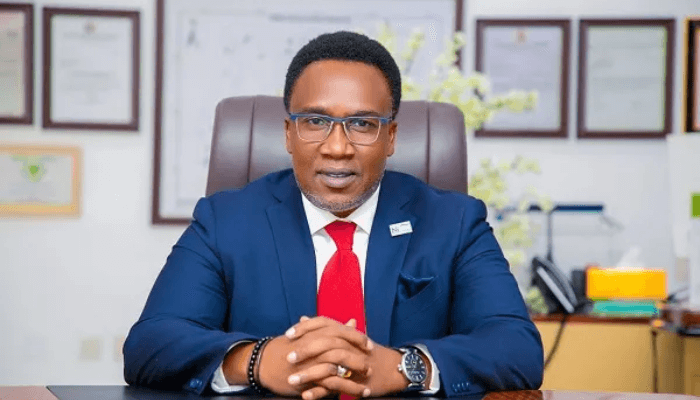
Nigeria has secured a stronger leadership position in Africa’s weather and climate-services architecture, with the Director-General and Chief Executive Officer of the Nigerian Meteorological Agency (NiMet), Professor Charles Anosike, elected President of the Board of Governors of the African Centre of Meteorological Applications for Development (ACMAD).
DEVELOPMENT:
Anosike was elected for a four-year term at the 24th Ordinary Session of the ACMAD Board of Governors in Cotonou, Benin Republic, held alongside the 22nd African Climate Outlook Forum (ACCOF22).
As Board President, Anosike is expected to provide strategic leadership in strengthening ACMAD’s governance, partnerships and delivery of weather and climate services across Africa.
The appointment also positions Nigeria to play a more influential role in continental efforts to improve early warning systems, strengthen climate resilience and protect lives and property from increasingly damaging weather and climate-related hazards.
DATA:
The immediate hard data are institutional: Anosike will serve a four-year term, following his election at ACMAD’s 24th Ordinary Session, while the accompanying African Climate Outlook Forum was at its 22nd edition.
The absence of quantified investment or climate-risk data in the development means the economic impact of the appointment cannot yet be measured. Its significance lies primarily in the regional mandate and institutional influence it gives Nigeria.
SIGNIFICANCE:
Weather and climate intelligence is increasingly an economic infrastructure issue. Better forecasting and early warning systems can improve planning across agriculture, infrastructure, transport, energy and other climate-sensitive sectors, while helping governments and businesses manage weather-related risks.
For Nigeria, the leadership role provides an opportunity to influence continental priorities and deepen partnerships around meteorological services, climate resilience and early warning capabilities.
NEXT MOVE:
The key test will be what strategic priorities emerge under Anosike’s four-year leadership. ACMAD’s governance reforms, partnerships, delivery of weather and climate services and progress in strengthening early warning systems will provide the clearest measure of the appointment’s value.
OUR LENS:
Nigeria’s growing climate exposure means meteorological intelligence can no longer be treated as a technical government service operating at the margins of economic policy. It is increasingly part of the infrastructure for protecting assets, planning investment and managing systemic risk.
Anosike’s election gives Nigeria a seat at the table where that continental climate intelligence architecture is being shaped. The real opportunity is to turn that institutional influence into better data, stronger early warnings and measurable resilience across African economies.
Hannah Yemisi is a reporter of note, reporting on education, business, economic and social developments with a focus on accuracy, context and public relevance.
Discover more from StakeBridge Media
Subscribe to get the latest posts sent to your email.