

By Olumide Johnson
The Nigerian Ports Authority (NPA) recorded broad-based growth across Nigeria’s maritime system in the first half of 2026, with increases in vessel calls, cargo throughput, container traffic, earnings and vehicle handling.
The performance comes as major industrial assets, particularly the Dangote Refinery, generate increasingly significant cargo flows through Nigerian ports.
DECISION HIGHLIGHT
The NPA’s first-half performance indicates that port activity is responding to Nigeria’s expanding industrial and trade base, while the authority is increasingly using data-driven benchmarking to identify capacity requirements and prepare for higher future volumes.
DECISION MEMO
The most important feature of the NPA’s first-half performance is not simply that port volumes increased, but that the pattern of growth is beginning to reflect a more diversified and industrially anchored maritime economy.
According to Managing Director of the NPA, Dr Abubakar Dantsoho, vessel calls increased 6.9 percent to 2,152, while total cargo throughput rose 12.2 percent to 68.29 million metric tons. Gross registered earnings increased 20.9 percent.
The vehicle segment also recorded substantial growth, with 103,375 imported vehicles handled between January and June, compared with 72,568 in the same period of 2025, representing a 42.5 percent increase.
Dantsoho said that the figures formed part of the NPA’s half-year benchmarking exercise, providing the Port Consultative Council with evidence for assessing operational performance and planning future interventions.
The strongest evidence of changing port dynamics is Lekki Port. Vessel calls increased 48.4 percent, while the port handled nearly 40 percent of national cargo throughput. Operations associated with the Dangote Refinery accounted for 76 percent of cargo traffic at the facility.
This concentration demonstrates the growing importance of modern port infrastructure to Nigeria’s industrial ambitions. Rather than merely receiving imported goods, the maritime system is increasingly becoming an enabling platform for large-scale domestic production and exports.
Onne Port reinforces the trend. Vessel calls increased 26.6 percent, supported substantially by LNG exports, while the port accounted for 22.7 percent of national cargo throughput.
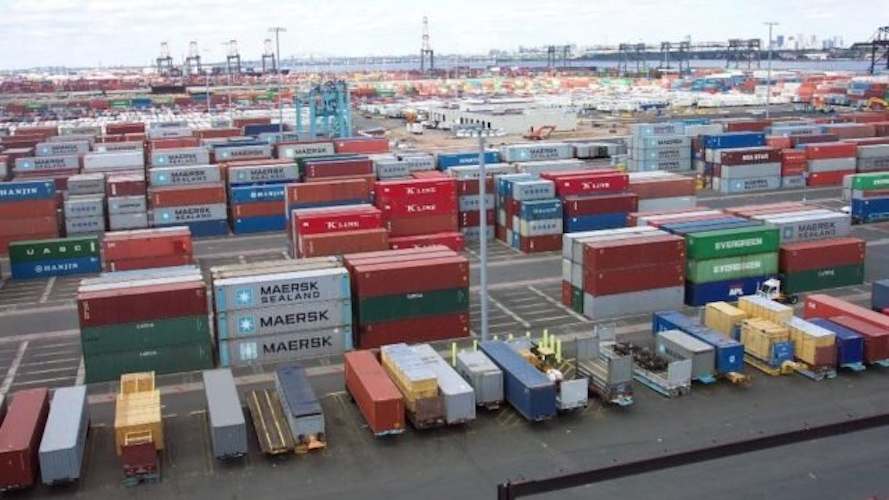
Container activity also strengthened. Total container throughput reached 815,346 twenty-foot equivalent units, an increase of 10.3 percent, while transhipment traffic surged 169.5 percent to 35,570 TEUs.
These figures provide evidence of growing demand for Nigerian port infrastructure and increasing opportunities for the NPA to position the country as a regional maritime hub.
Dantsoho has also identified the next capacity challenge. With the Dangote Refinery planning an expansion to 1.4 million barrels per day, he said additional port infrastructure and a balanced traffic policy would be required.
The implication is that the NPA is increasingly operating ahead of a changing cargo economy, where refinery output, LNG exports, transhipment and industrial production will shape future maritime demand.
DATA BOX
- Vessel calls: 2,152, up 6.9 percent
• Cargo throughput: 68.29 million metric tons, up 12.2 percent
• Vehicle handling: 103,375 units, up 42.5 percent
• Container throughput: 815,346 TEUs, up 10.3 percent
• Container transhipment: 35,570 TEUs, up 169.5 percent
• Gross registered earnings: up 20.9 percent
• Lekki vessel calls: up 48.4 percent
• Lekki national cargo share: nearly 40 percent
• Onne national cargo share: 22.7 percent
• Dangote Refinery share of Lekki cargo: 76 percent
WHO WINS / WHO LOSES
The NPA gains stronger evidence of expanding demand across its port network, while manufacturers, exporters, importers and logistics operators benefit from rising maritime activity.
Ports and terminals recording weaker traffic face greater pressure to improve competitiveness as cargo increasingly gravitates towards facilities connected to major industrial and energy projects.
POLICY SIGNALS
The performance strengthens the case for sustained investment in port infrastructure, connectivity and traffic management. The NPA’s emphasis on benchmarking provides a basis for aligning infrastructure decisions with measurable changes in cargo patterns.
INVESTOR SIGNAL
Lekki and Onne demonstrate the investment potential created when modern port infrastructure is integrated with large-scale industrial and energy projects. The sharp increase in transhipment also indicates an opportunity for Nigeria to capture more regional cargo.
RISK RADAR
The principal challenge is managing success. Rising volumes will require the NPA to maintain service efficiency while expanding capacity. The reported 5.3-day average vessel turnaround shows why future infrastructure investment and traffic management will be critical as cargo volumes continue rising.
Olumide Johnson is a journalist, reporting on energy, maritime, business, and developments shaping Nigeria’s economy.
Discover more from StakeBridge Media
Subscribe to get the latest posts sent to your email.