

- Recasting Africa’s Cultural, Economic Influence
By Ovio Peters
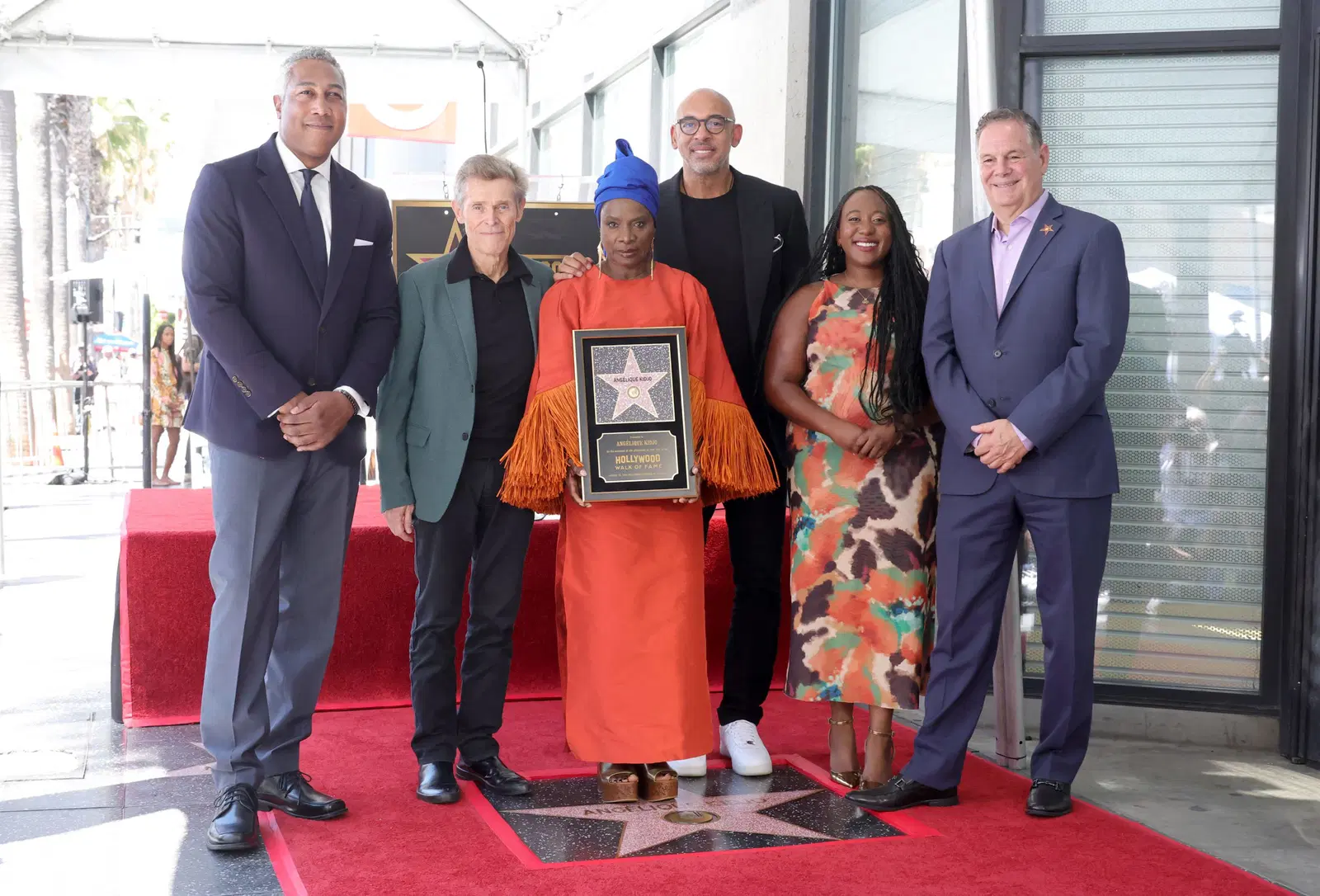
Angélique Kidjo, Beninese singer and five-time Grammy Award winner, received a star on the Hollywood Walk of Fame in Los Angeles on Tuesday, August 18, 2026, becoming the first African artist to receive the honour. The recognition, witnessed by actor Willem Dafoe and Recording Academy Chief Executive Officer Harvey Mason Jr., acknowledges more than four decades of musical contribution and Kidjo’s role in taking African music to global audiences.
DECISION HIGHLIGHT
The significance extends beyond entertainment. By placing an African artist within one of the world’s most visible cultural institutions, the honour strengthens the commercial and reputational value of African creative output, with potential implications for music exports, intellectual property, tourism, investment and the broader creative economy.
DECISION MEMO
Kidjo’s Hollywood recognition is best understood as an institutional validation of African cultural production rather than simply another career award. The Hollywood Walk of Fame has historically functioned as a global visibility platform for individuals whose influence extends beyond their immediate professional fields. Kidjo’s inclusion therefore gives African music an additional layer of cultural legitimacy within the world’s dominant entertainment ecosystem.
That distinction has economic relevance. Cultural recognition can improve the discoverability and marketability of music catalogues, strengthen licensing and performance opportunities, increase international collaborations and enhance the commercial value of African intellectual property. It can also contribute indirectly to tourism and destination branding by associating African creative identity with internationally recognised cultural figures.
Kidjo’s career illustrates the transmission mechanism. Discovered by music producer Chris Blackwell in the early 1980s, she developed a career across African and Western musical traditions and has collaborated with global performers, including Nigerian Afrobeats artistes Davido and Burna Boy. The trajectory demonstrates how cultural exchange can create commercial bridges between markets, generations and genres.
The wider implication for Africa is therefore less about the star itself than the precedent it establishes. Kidjo said the honour was “not only a personal achievement but also a recognition of Africa and its rich musical heritage.” Her hope that she would not be the last African artist to receive a star points towards a potentially larger pipeline of African creative talent entering global cultural markets.
For African economies, that pipeline matters. Music, film, fashion, literature and other creative assets increasingly function as tradable intellectual property. Their international visibility can generate foreign-exchange earnings, licensing income, employment, brand equity and investment opportunities, although the financial effect depends on whether recognition is converted into commercially structured opportunities.
DATA BOX
- Age: 66
- Grammy Awards: 5
- Career: More than 40 years
- Hollywood distinction: First African artist to receive a Hollywood Walk of Fame star
- Location: Los Angeles, United States
- Honour date: August 18, 2026
- Global reach: Collaborations across African and Western musical traditions
- Recent African collaborations: Davido and Burna Boy
- Economic relevance: Music exports, intellectual property, licensing, international performance, tourism and creative-sector investment
WHO WINS / WHO LOSES
Who wins: African musicians and other creative professionals gain a stronger precedent for international recognition; African cultural brands gain visibility; investors and platforms focused on African intellectual property gain a stronger global reference point.
Who loses: There is no immediate identifiable loser. However, African economies lose potential value if international recognition remains symbolic and creative intellectual property continues to be commercialised elsewhere without sufficient African ownership and monetisation.
POLICY SIGNALS
The development reinforces the need for stronger copyright enforcement, export-oriented creative-industry policy, structured music financing, international distribution partnerships and reliable data on the economic contribution of culture. Recognition must be connected to institutions capable of converting cultural visibility into retained domestic value.
INVESTOR SIGNAL
Kidjo’s honour strengthens the investment case for Africa’s creative economy by demonstrating that African cultural assets can achieve sustained global relevance. The opportunity lies beyond artiste earnings, encompassing catalogues, publishing, streaming, licensing, live entertainment, content platforms, tourism and cross-border brand partnerships. The key investment question is whether African businesses can capture a larger share of that value chain.
RISK RADAR
The principal risk is symbolic success without economic capture. Global recognition can increase demand for African culture while leaving ownership, distribution and monetisation concentrated outside the continent. The strategic challenge is therefore to convert cultural prestige into intellectual-property ownership, scalable enterprises, export revenues and long-term investment value.
Discover more from StakeBridge Media
Subscribe to get the latest posts sent to your email.