

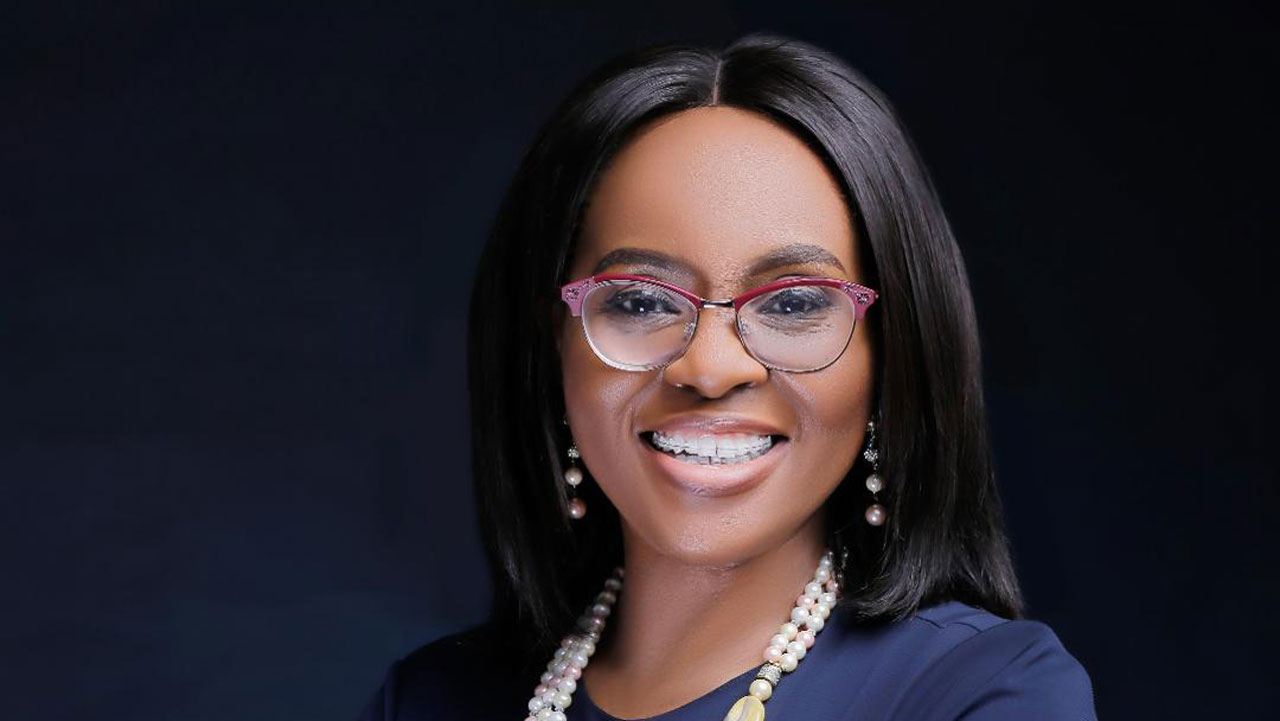
By Hannah Yemisi
Chief Executive of FSDH Merchant Bank, Bukola Smith, convened the FSDH Health Sector Roundtable to deepen collaboration between financial institutions and healthcare stakeholders and to explore pathways for scaling Nigeria’s health ecosystem.
The session featured a keynote from Akin Abayomi, Honourable Commissioner for Health in Lagos State, alongside panel contributions from Fola Laoye, Tosin Runsewe, Theresa Lawal, and Bolaji Odunsi.
Smith framed the engagement as a platform to unlock sustainable growth across the healthcare value chain through structured financial partnerships.
DECISION HIGHLIGHT
FSDH is positioning itself as a convening and financing catalyst for healthcare sector expansion. However, the roundtable outcomes remain largely thematic, with limited disclosure of concrete financing commitments, product innovations, or transaction pipelines.
The dialogue was substantive. The capital mobilisation pathway is still emerging.
DECISION MEMO
Smith’s orchestration of the health sector roundtable reflects a growing recognition within Nigeria’s financial services community that healthcare financing is both an economic necessity and an underserved opportunity.
The intellectual anchor of the session came from Akin Abayomi, who reframed the traditional narrative by asserting that “wealth is health,” arguing that resilient healthcare systems require deliberate investment and, in turn, drive productivity and prosperity.
The reframing is analytically sound. Health system strength and economic performance are tightly correlated across emerging markets.
Yet the roundtable also exposed a familiar structural tension. Nigeria’s healthcare financing conversation is becoming more sophisticated, but capital deployment mechanisms remain thin relative to sector need.
Smith emphasised FSDH’s commitment to “building strategic alliances that enable healthcare businesses to scale, innovate, and deliver quality care.” The statement signals institutional intent. What remains less visible is the balance sheet expression of that commitment.
Bolaji Odunsi sharpened the diagnosis, pointing to “structural gaps within the sector and the need for tailored financial solutions to support healthcare providers, from working capital to long term expansion funding.”
This observation goes to the core of the challenge. Healthcare operators in Nigeria face a financing mismatch across tenor, pricing, and risk perception. Conventional bank lending often struggles to accommodate the sector’s long gestation infrastructure profile.
The panel’s emphasis on innovative financing and private sector participation is directionally correct. However, the current communication stops short of specifying:
- Dedicated healthcare lending windows
- Risk sharing facilities
- Blended finance structures
- Credit enhancement mechanisms
- Insurance linked financing models
Without these instruments, roundtables risk becoming high quality diagnostics without corresponding capital flow.
The prominence given to the Ilera Eko health insurance scheme is notable. Stakeholders described it as a “transformative vehicle” for advancing universal health coverage in Lagos State. While uptake momentum appears positive, the discussion did not quantify coverage depth, claims sustainability, or premium adequacy.
DATA BOX
Convening Institution: FSDH Merchant Bank
Event: Health Sector Roundtable
Keynote Speaker: Akin Abayomi
Flagship Insurance Scheme Referenced: Ilera Eko
Core Financing Need Identified: Working capital and long term expansion funding
Strategic Focus: Financial healthcare collaboration
WHO WINS / WHO LOSES
Who Wins
- Healthcare providers seeking structured financing dialogue
- FSDH’s sector positioning strategy
- Lagos State health reform visibility
- Private healthcare investors monitoring opportunities
Who Loses
- Providers needing immediate affordable capital
- Smaller clinics without structured financing access
- Investors seeking near term deal flow visibility
- Patients if financing gaps persist
POLICY SIGNALS
First, healthcare financing is moving higher on the agenda of Nigeria’s financial institutions.
Second, Lagos State’s insurance led universal coverage model is gaining policy attention as a potential template.
Third, the sector is increasingly being framed through a public private partnership lens.
Fourth, the absence of new funding instruments suggests the market is still in design rather than deployment phase.
INVESTOR SIGNAL
For investors, the roundtable reinforces healthcare as an emerging thematic opportunity but not yet a fully structured asset class in Nigeria.
Institutional capital will watch for:
- Dedicated healthcare credit products
- Blended finance vehicles
- Insurance penetration metrics
- Hospital infrastructure pipelines
- Risk mitigation frameworks
Investor relations implication is clear. Convening authority builds narrative momentum, but sustained investor confidence will require visible capital commitments and scalable financing platforms.
RISK RADAR
Execution Risk
Dialogue without product innovation may slow sector financing momentum.
Affordability Risk
High cost of capital continues to constrain provider expansion.
Insurance Sustainability Risk
Ilera Eko scale must be matched by actuarial stability.
Credit Risk Perception
Banks may continue to price healthcare conservatively without risk sharing tools.
Expectation Risk
Rising policy attention could outpace actual financing delivery.
Bottom Line
Smith’s health sector roundtable elevates the quality of Nigeria’s healthcare financing conversation but stops short of delivering new capital architecture. The strategic intent is credible. The decisive shift will occur when financial institutions translate dialogue into structured, scalable funding solutions that materially close the sector’s persistent financing gap.
Discover more from StakeBridge Media
Subscribe to get the latest posts sent to your email.