

By Jennete Ugo Anya
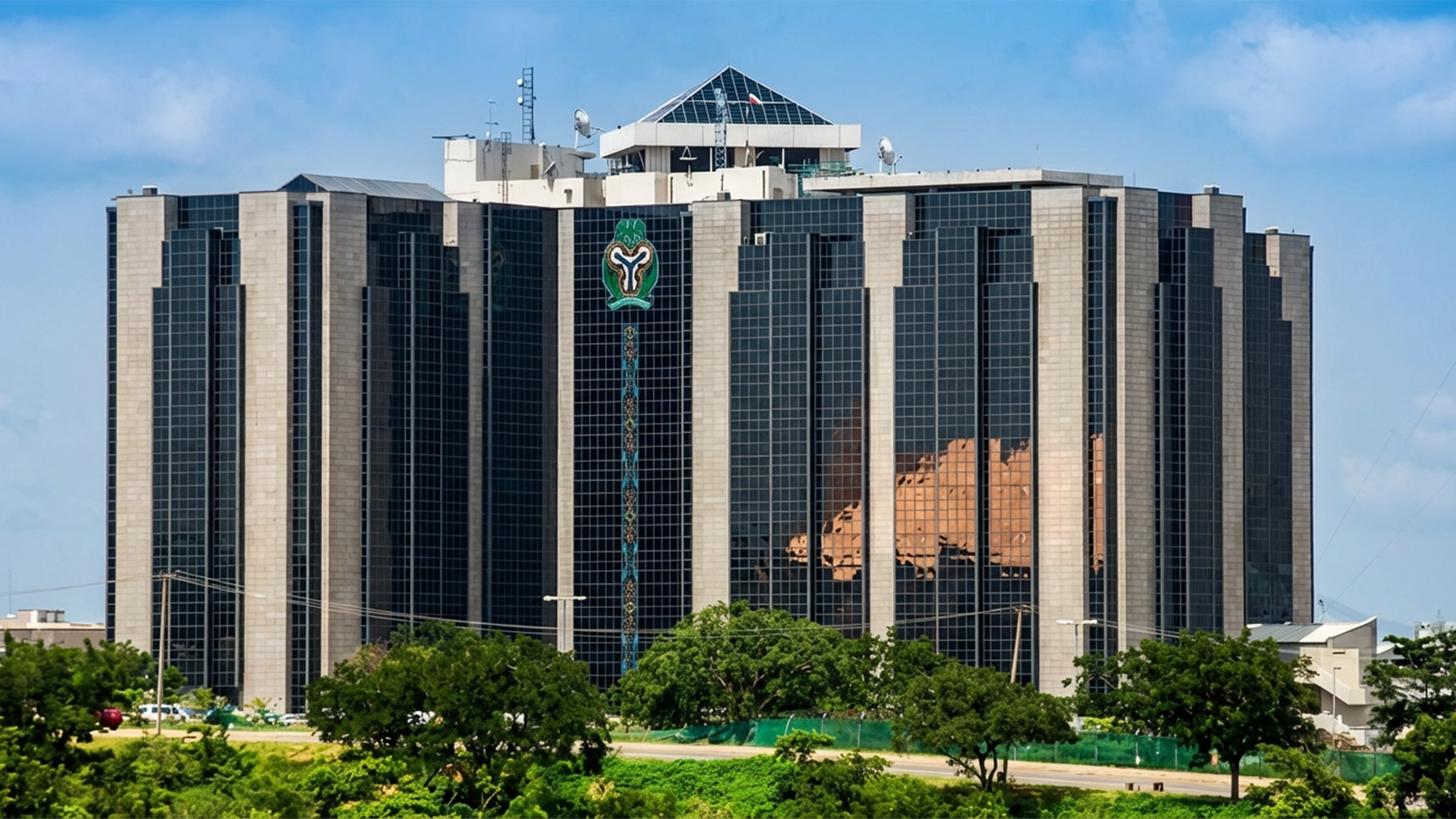
The Central Bank of Nigeria (CBN) on June 1, 2026, implemented a leadership redeployment involving all four deputy governors as part of efforts to strengthen policy coordination, regulatory oversight and institutional execution. Under the new structure, Dr. Muhammad Sani Abdullahi moved from Economic Policy to Corporate Services; Mr. Philip Chukwuemeka Ikeazor assumed responsibility for Economic Policy; Ms. Emem Nnana Usoro moved from Corporate Services to Operations; while Mr. Lamido Abubakar Yuguda transitioned from Operations to Financial System Stability. The changes, reflected on the apex bank’s official website, occur amid ongoing reforms targeting inflation control, banking sector recapitalisation, financial stability and market confidence.
DECISION HIGHLIGHT
The CBN opted for functional redeployment rather than leadership replacement, signalling continuity of strategy while recalibrating execution responsibilities across critical directorates.
DECISION MEMO
The redeployment appears less about personnel change and more about institutional alignment. By rotating experienced deputy governors across policy, operations, corporate services and financial stability functions, the CBN is effectively testing whether existing reform objectives can be accelerated through altered administrative leadership rather than new appointments.
The timing is notable. The apex bank is simultaneously confronting inflation management, exchange-rate credibility, banking recapitalisation and financial system resilience. Each challenge requires coordination across directorates rather than isolated policy interventions.
Moving Ikeazor into Economic Policy places a financial markets and regulatory practitioner closer to macroeconomic policy formulation, while Yuguda’s reassignment to Financial System Stability suggests increased emphasis on supervisory resilience as recapitalisation progresses.
The broader message is organisational flexibility. The CBN appears to be strengthening cross-functional oversight at a period when policy effectiveness depends increasingly on implementation quality rather than policy design alone.
DATA BOX
- Effective date: June 1, 2026
- Deputy governors redeployed: 4
- Dr Muhammad Sani Abdullahi: Economic Policy → Corporate Services
- Philip Chukwuemeka Ikeazor: Assumes Economic Policy
- Emem Nnana Usoro: Corporate Services → Operations
- Lamido Abubakar Yuguda: Operations → Financial System Stability
- Strategic backdrop:
- Inflation management
- Banking sector recapitalisation
- Financial system resilience
- Market confidence restoration
- Regulatory oversight enhancement
WHO WINS / WHO LOSES
Winners: Financial regulators, supervised institutions, investors seeking policy continuity, and stakeholders requiring stronger interdepartmental coordination.
Losers: No immediate identifiable losers. However, directorates face heightened performance expectations under the new structure.
POLICY SIGNALS
- Continuity rather than policy reversal
- Greater emphasis on execution and coordination
- Stronger focus on financial system stability
- Institutional strengthening ahead of deeper reform implementation
- Increased supervisory preparedness during banking recapitalisation
INVESTOR SIGNAL
The redeployment reinforces the CBN’s preference for administrative continuity while pursuing structural reforms. Investors are likely to interpret the changes as an attempt to improve policy transmission, regulatory consistency and financial-sector oversight rather than a shift in monetary policy direction.
RISK RADAR
- Execution risks during leadership transition
- Coordination challenges across newly assigned portfolios
- Persistent inflation pressures testing policy effectiveness
- Recapitalisation-related supervisory demands
- Market sensitivity to any perceived divergence in policy implementation
- Rising complexity of macroeconomic management requiring sustained institutional coherence
Discover more from StakeBridge Media
Subscribe to get the latest posts sent to your email.