

By Kingsley Ani
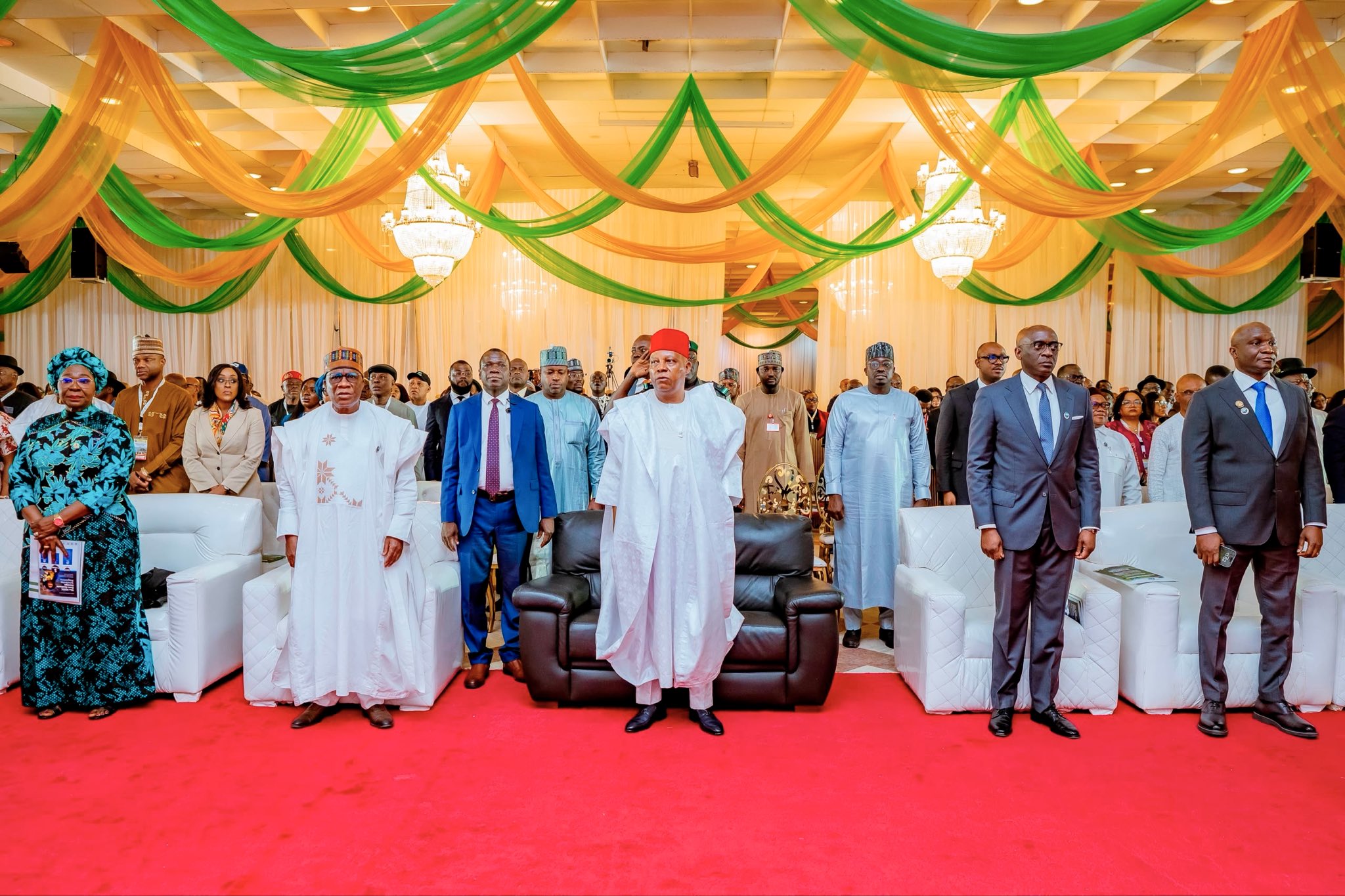
Vice President Kashim Shettima recently launched the Niger Delta Agricultural Development and Investment Fund and inaugurated a Coordinating Council for agricultural development and investment during the Niger Delta Agricultural Development and Investment Summit at the Presidential Villa, Abuja. Jointly organised by the Office of the Vice President and the Niger Delta Development Commission (NDDC), with the support of the governors of the nine Niger Delta states, the summit aligned with President Bola Ahmed Tinubu’s Renewed Hope Agenda and sought to mobilise government, investors, development partners and the private sector to unlock agriculture as a new growth engine for the oil-producing region. Dr Samuel Ogbuku, Managing Director (MD) of the NDDC, reaffirmed the commission’s commitment to driving the initiative through infrastructure and investment partnerships.
DECISION HIGHLIGHT
The federal government and the NDDC are positioning agriculture as the region’s next investment platform, linking food security, mechanisation and private capital with economic diversification.
DECISION MEMO
The launch of the fund signals a policy shift from treating agriculture as a social intervention to positioning it as an investment platform capable of diversifying the Niger Delta economy, strengthening food security and attracting long-term private capital.
Launching the initiative, Shettima linked the programme directly to the administration’s economic agenda, stating: “Before oil took centre stage in our economy, it was the soil that paid our bills. We must, therefore, return to agriculture for our economic development.” His remarks position agriculture as a strategic productive asset capable of complementing, rather than replacing, the region’s petroleum economy.
Driving the implementation agenda, Ogbuku said: “The Niger Delta has for decades been known for oil, but it is time to unlock the enormous opportunities beneath its fertile soil. Agriculture offers the region a pathway to food security, employment, investment and lasting prosperity.” He also identified infrastructure as a critical enabler of agricultural investment, announcing the imminent completion of the 1.2-kilometre Kaa-Ataba Bridge linking Khana and Andoni Local Government Areas of Rivers State.
The investment narrative was reinforced by Abubakar Momoh, Minister of Regional Development, who said: “The future of agriculture is in mechanised and innovative farming and the Renewed Hope Agenda of President Bola Tinubu has placed agriculture at the heart of Nigeria’s economic development.”
Similarly, Chiedu Ebie, Chairman of the Governing Board of the NDDC, stated: “We remain guided and aligned with the agricultural policies of the Federal Government. The eight presidential priorities encompassing food security, poverty eradication, job creation, and the fight against corruption serve as our roadmap toward a brighter and more prosperous Niger Delta.”
Representing the Minister of Agriculture and Food Security, Dr Marcus Ogunbiyi, Permanent Secretary in the ministry, said that food security remains a central priority of the Tinubu administration and stressed that achieving it requires a transition from subsistence agriculture to mechanised farming.
That position was echoed by the keynote speaker, Prince S. J. Samuel, who, in his presentation titled “Niger Delta: Awakening an Agricultural Giant,” argued that the region must embrace mechanised agriculture if it is to unlock its full economic potential and compete for large-scale investment.
The regional commitment to the initiative was further demonstrated by Pastor Umo Eno, Governor of Akwa Ibom State, represented by the Deputy Governor, Senator Akon Eyakenyi, who reaffirmed the state’s commitment to reviving agriculture across the Niger Delta. Dr. Victor Antai, Executive Director, Projects, NDDC, added that sustained partnerships would provide the momentum required to deliver the region’s agricultural development and investment agenda.
Strengthening the investment case, Winifred Madume, Director of Agriculture and Fisheries at the NDDC, observed: “The Niger Delta possesses the natural and economic fundamentals that investors seek.” She said the region’s fertile land, freshwater resources, ecological diversity, waterways and market access provide the foundation for commercially driven agriculture, agro-processing and agricultural trade.
DATA BOX
- Initiative launched: Niger Delta Agricultural Development and Investment Fund
- Governance structure: Coordinating Council inaugurated
- Venue: Presidential Villa, Abuja
- Organisers: Office of the Vice President and Niger Delta Development Commission
- Coverage: Nine Niger Delta states
- Strategic focus: Food security, mechanised agriculture, investment and job creation
- Key infrastructure: 1.2-kilometre Kaa-Ataba Bridge
- Priority sectors: Crop production, aquaculture, livestock, agro-processing and agricultural trade
WHO WINS / WHO LOSES
Wins
- Agribusiness investors and developers.
- Farmers adopting mechanised agriculture.
- Niger Delta communities through infrastructure, employment and value addition.
- Agro-processing, logistics and agricultural export businesses.
Loses
- Dependence on oil as the region’s dominant economic identity.
- Low-productivity subsistence farming.
POLICY SIGNALS
The federal government is integrating agricultural mechanisation, regional development, infrastructure and investment promotion into a unified diversification strategy, with the NDDC serving as a key implementation institution.
INVESTOR SIGNAL
The combination of a dedicated investment fund, federal policy backing, infrastructure delivery and broad stakeholder alignment strengthens the Niger Delta’s proposition as an emerging destination for commercial agriculture, agro-processing and long-term institutional investment.
RISK RADAR
The initiative’s success will depend on timely infrastructure delivery, security, land accessibility, policy continuity, transparent governance and the ability to translate stakeholder commitments into commercially viable agricultural projects capable of attracting sustained private capital.
Discover more from StakeBridge Media
Subscribe to get the latest posts sent to your email.