

By Jennete Ugo Anya
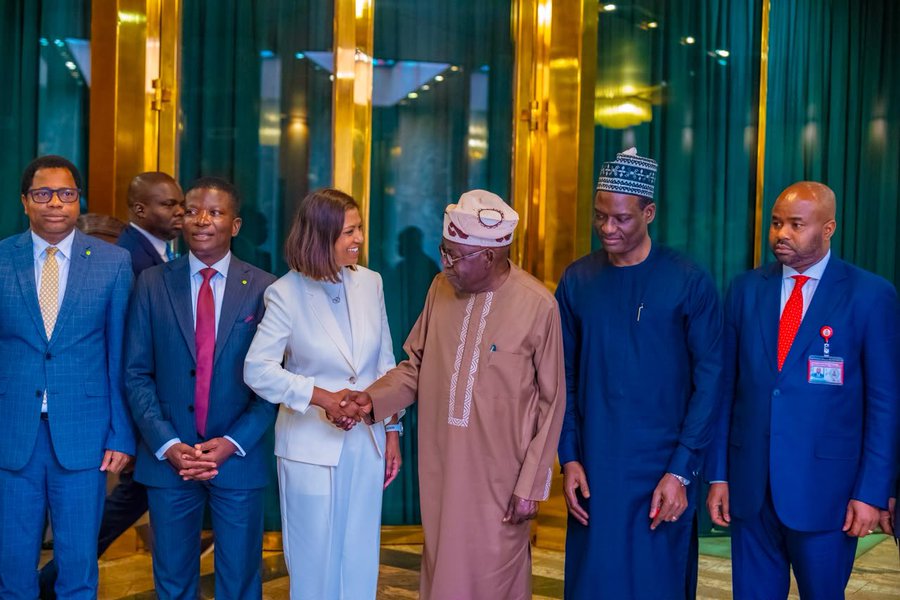
President Bola Ahmed Tinubu, speaking recently while receiving a delegation of Deloitte Africa led by its Chief Executive Officer, Ruwayda Redfearn, at the State House, Abuja, said Nigeria is making “serious foundational progress” as fiscal, revenue and tax reforms stabilise the economy and strengthen long-term competitiveness. He maintained that although the reforms have required difficult decisions, they are improving fiscal sustainability and creating the conditions for growth. The Minister of Finance and Coordinating Minister of the Economy, Dr Taiwo Oyedele, called for deeper collaboration on youth capacity building, while Deloitte reaffirmed its readiness to support Nigeria’s economic transformation through its global expertise.
DECISION HIGHLIGHT
The administration is increasingly presenting economic reform as a long-term institution-building programme whose success will ultimately be judged by its ability to convert macroeconomic stability into broad-based economic value.
DECISION MEMO
Nigeria’s reform narrative is evolving beyond stabilisation towards implementation. Having defended difficult policy choices over the past two years, the administration is now placing greater emphasis on demonstrating that those reforms can generate investment, jobs and measurable improvements in living standards.
That transition was reflected in President Tinubu’s engagement with Deloitte Africa. Rather than portraying reforms as isolated fiscal measures, the President framed them as structural investments in the country’s future. “Yes, reforms are difficult… but [they are] a harvester of good things, if implemented well, and that is what we are about,” he said. Reinforcing that position, Tinubu added: “The reforms on revenue will continue to stimulate growth… Nigeria is making serious foundational progress.”
The emphasis on foundational progress is significant because it shifts policy evaluation from immediate economic discomfort towards long-term institutional outcomes. Stronger fiscal management, improved revenue systems and more competitive financial institutions are being presented as prerequisites for sustainable growth rather than ends in themselves.
That broader objective was reinforced by Oyedele, who urged Deloitte Africa to expand youth training and capacity development, signalling that human capital is becoming an increasingly important pillar of the reform agenda.
From the private sector, Ruwayda Redfearn, Chief Executive Officer of Deloitte Africa, pledged the firm’s support for Nigeria’s transformation, stating: “We are before you to say that we want to serve… We have a local team on the ground that is ready, as well as the global firm, to support you and support your administration.” Deloitte, which generated $74 billion in revenue in 2025 and employs more than 500,000 people globally, brings international implementation experience that could complement domestic reform efforts.
Similarly, Yomi Olugbenro, Chief Executive Officer of Deloitte Africa, argued that the next phase should focus on ensuring reforms deliver tangible benefits to citizens. “The ground has been solidly laid. There is a need to truly extract more value and deliver the dividends of democracy to ordinary Nigerians on the street,” he said.
The engagement therefore illustrates a broader policy evolution. The debate is no longer centred on whether reforms were necessary but on whether institutional partnerships, private-sector participation and effective execution can translate macroeconomic progress into inclusive economic prosperity.
DATA BOX
Government Priorities
- Fiscal reforms.
- Revenue reforms.
- Tax reforms.
- Youth capacity development.
- Long-term competitiveness.
Deloitte Africa Profile
- 2025 revenue: $74 billion.
- Global workforce: Over 500,000.
- Africa workforce: More than 6,000.
Expected Reform Outcomes
- Stronger fiscal sustainability.
- Improved revenue mobilisation.
- Greater investor confidence.
- Higher productivity.
- Inclusive economic growth.
WHO WINS / WHO LOSES
Wins
- Nigeria’s reform agenda through stronger private-sector collaboration.
- Young Nigerians through expanded skills development opportunities.
- Investors seeking policy continuity and institutional stability.
- Businesses positioned to benefit from a more competitive economic environment.
Loses
- Structural inefficiencies that constrain growth.
- Weak institutional capacity.
- Short-term policy approaches that neglect long-term competitiveness.
POLICY SIGNALS
The administration is shifting from defending reforms to institutionalising them through partnerships that strengthen implementation capacity, human capital development and private-sector participation.
INVESTOR SIGNAL
The engagement reinforces policy continuity by signalling that government intends to complement macroeconomic reforms with implementation partnerships capable of strengthening productivity, investment confidence and long-term economic competitiveness.
RISK RADAR
The credibility of the reform programme will increasingly depend on execution. If productivity gains, employment creation and household welfare fail to keep pace with macroeconomic improvements, public confidence in the reform agenda could weaken despite stronger economic fundamentals.
Discover more from StakeBridge Media
Subscribe to get the latest posts sent to your email.