

We have seen this cycle too many times, new appointments, bold language, reform committees, then a quiet return to dysfunction. This time must not follow that script.
President Bola Ahmed Tinubu has nominated Joseph Olasunkanmi Tegbe as Minister of Power and appointed Rilwan Lanre Babalola to lead a Presidential Task Force on power sector reset. The intent is clear, restore discipline, improve performance, attract investment. The structure is credible. But credibility is not performance.
Nigeria’s power sector does not fail because of lack of plans. It fails because of weak execution.
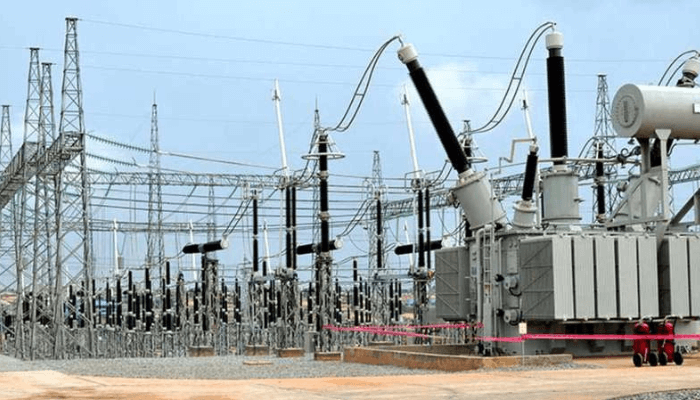
The fundamentals are already known. Generation is underutilised, transmission is constrained, distribution is inefficient, and revenue collection is poor. Losses remain systemic. Liquidity remains fragile. Tariffs remain politically distorted. These are not new problems. They persist because they are not decisively addressed.
The Task Force’s “performance before expansion” framework is the only part that matters. For too long, Nigeria has pursued expansion without fixing inefficiencies. Adding capacity to a broken system does not increase supply, it increases waste. The priority must now be discipline across the value chain.
Distribution companies must improve collection. Transmission bottlenecks must be resolved with urgency. Grid discipline must be enforced. Revenue leakages must be closed. Without these, no reform will hold.
We must also confront a central reality; the sector cannot function without cost-reflective tariffs. Political avoidance of this fact has prolonged failure. A system that does not recover costs cannot sustain infrastructure or attract capital. Targeted support for vulnerable consumers is necessary, but blanket distortions are not sustainable. The reset must move the sector towards commercial viability.
Coordination is equally critical. Nigeria’s power sector has been undermined by fragmentation across institutions. The Task Force’s presidential mandate must translate into real authority, aligning the Ministry of Power, the Nigerian Electricity Regulatory Commission, transmission operators, and distribution companies under a single execution framework. Without alignment, reform collapses into bureaucracy.
Financing must also change. Infrastructure investment cannot remain ad hoc. Tegbe’s experience and international engagement must translate into structured, bankable capital flows, particularly into transmission and distribution. Investment without governance will fail. Governance without investment will stall. Both must move together.
Timelines must be enforced. The promised 90-day blueprint must produce measurable outcomes, reduced losses, improved supply stability, better revenue collection. Not projections, results.
Accountability is non-negotiable. Targets must be enforced. Failures must carry consequences. Success must be sustained, not announced.
This is not a sectoral issue. It is an economic one. Reliable power underpins industrial growth, investment, and productivity. Without it, every reform elsewhere is constrained.
We must be clear. Nigeria does not need another reform narrative. It needs performance. This reset must work. Anything less is another failure the economy cannot absorb. And that, at this stage, is inexcusable.
Discover more from StakeBridge Media
Subscribe to get the latest posts sent to your email.