

By Johnson Emmanuel
Pfizer Inc. reported a nine percent decline in first-quarter profit to $2.7 billion despite a five percent rise in revenue to $14.5 billion, as the pharmaceutical group intensified investment in oncology and obesity-drug development.
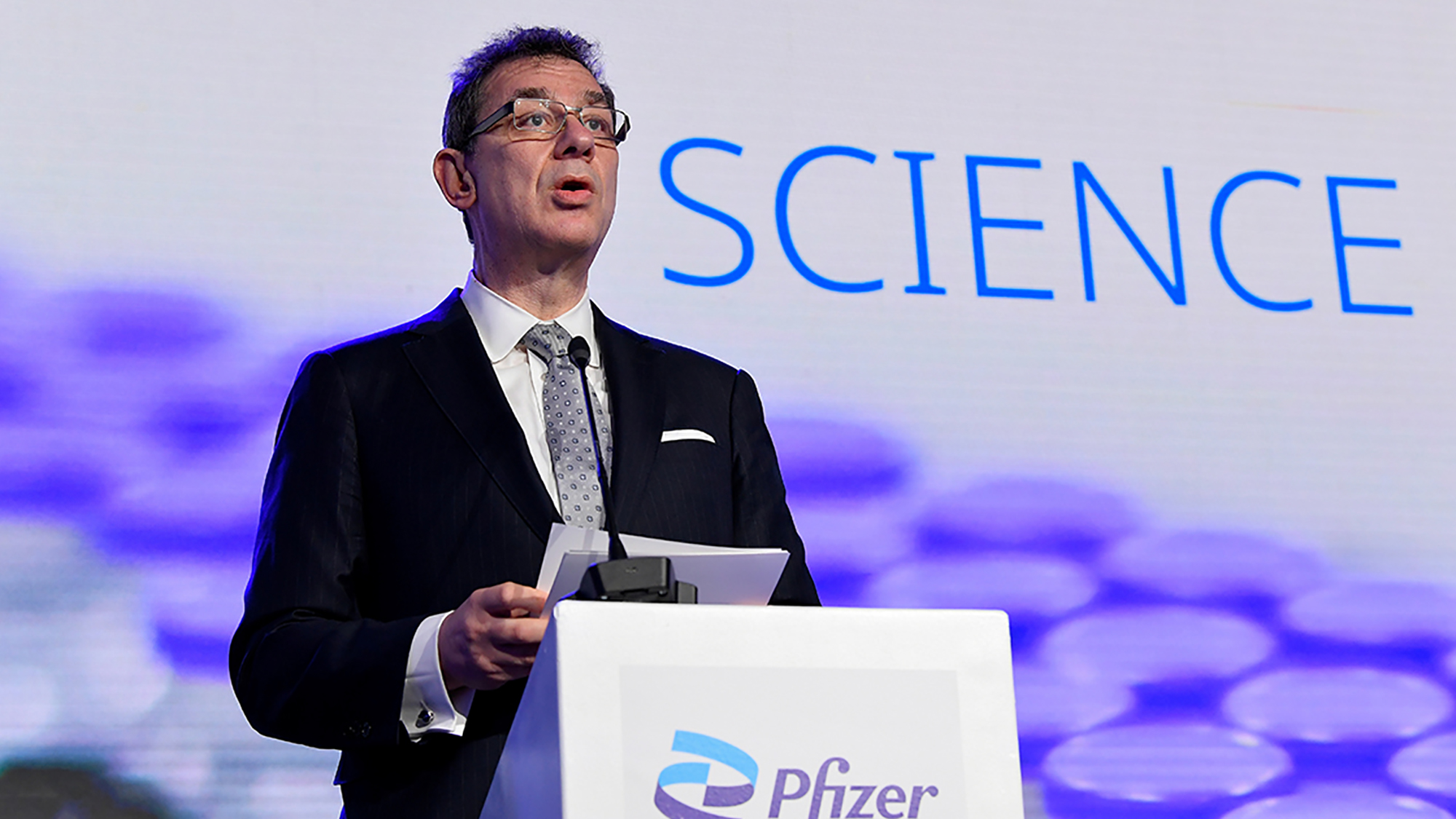
In its Tuesday financial update, the company attributed the earnings decline primarily to a 12 percent increase in research and development expenditure linked to pipeline expansion, acquisitions, and clinical advancement programmes. Chief Executive Officer (CEO), Albert Bourla, stated that Pfizer is prioritising long-term growth areas including cancer therapies and next-generation obesity treatments following acquisitions and strategic transactions involving Seagen and Metsera.
The Chief Financial Officer (CFO), David Denton, maintained the company’s full-year outlook, while management confirmed that share buybacks remain paused through 2026 despite continued dividend payments.
DECISION HIGHLIGHT
Pfizer is deliberately sacrificing near-term earnings stability to reposition around post-COVID therapeutic growth sectors.
DECISION MEMO
Pfizer’s latest results reinforce the structural transition confronting major pharmaceutical companies after the extraordinary profitability cycle generated by COVID-19 products. The current earnings compression appears less operational weakness than strategic capital redeployment.
The core issue is replacement economics. Pandemic-era revenues created abnormal earnings capacity that now requires substitution through durable therapeutic franchises. Pfizer’s response is aggressive reinvestment into oncology and metabolic disease, two of the highest-growth and highest-valuation segments in global pharmaceuticals.
Bourla framed the strategy around pipeline expansion and therapeutic positioning, particularly within obesity treatment markets. His emphasis on Seagen’s oncology integration and the Metsera transaction suggests Pfizer is accelerating external innovation acquisition rather than relying solely on internal discovery timelines.
The decision to maintain dividends while suspending share repurchases is also strategically revealing. It preserves shareholder income continuity while redirecting excess capital toward research intensity and acquisition-led growth. This reflects management’s preference for long-duration pipeline value creation over short-term equity support mechanisms.
The modest rise in pre-market trading indicates investors are cautiously accepting lower immediate profitability in exchange for future therapeutic optionality.
DATA BOX
- Q1 profit: $2.7 billion
- Profit decline: 9 percent
- Q1 revenue: $14.5 billion
- Revenue growth: 5 percent
- Research and development spending increase: 12 percent
- Share buyback status: Paused through 2026
- Key growth focus: Oncology and obesity therapies
- Major strategic transactions: Seagen acquisition, Metsera partnership
- Share price reaction: +0.6 percent pre-market trading
WHO WINS / WHO LOSES
Winners:
- Oncology and obesity treatment portfolios receiving accelerated investment
- Long-term shareholders prioritising pipeline expansion over short-term margin preservation
- Biotechnology acquisition targets within high-growth therapeutic segments
Losers:
- Investors seeking immediate earnings acceleration
- Business segments previously dependent on COVID-19-related revenue streams
- Short-term valuation models tied primarily to current profitability metrics
POLICY SIGNALS
- Global pharmaceutical capital allocation is shifting decisively toward obesity and oncology markets
- Post-pandemic pharmaceutical strategies increasingly prioritise acquisition-led innovation
- Research intensity is re-emerging as a primary competitive differentiator among major drug manufacturers
INVESTOR SIGNAL
Pfizer’s results suggest management believes future enterprise value will be determined less by legacy COVID-era cash generation and more by ownership of scalable high-demand therapeutic platforms. Continued guidance stability despite lower profits indicates confidence in pipeline monetisation potential.
RISK RADAR
- Clinical trial failure risk within obesity and oncology pipelines
- Integration risk from acquisition-led expansion strategy
- Sustained decline in COVID-related revenue may outpace replacement growth
- Rising research expenditure could pressure margins longer than anticipated
- Competitive intensity in obesity therapeutics may compress future pricing power
Discover more from StakeBridge Media
Subscribe to get the latest posts sent to your email.