

By Ovio Peters
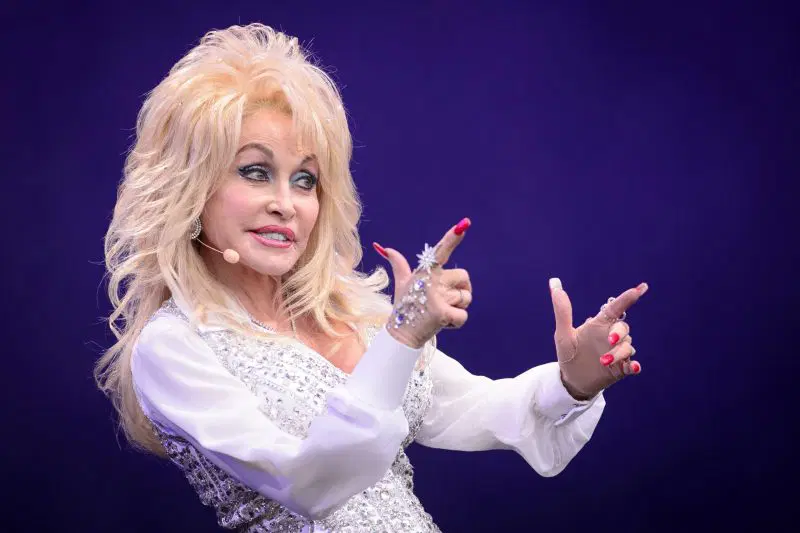
Dolly Parton, the American country singer, songwriter, actress, entrepreneur and philanthropist, just passed in Nashville on 25 August 2026, aged 80, after a brief battle with cancer. Her death closes a seven-decade creative career, but the economic architecture she built around music, intellectual property, entertainment, branding and philanthropy remains active.
DECISION HIGHLIGHT
Parton’s significance to the creative economy lies less in the loss of another music icon than in what she demonstrated about converting creative output into durable economic and social assets. Her songs became intellectual property, her identity became a global brand, and that brand supported enterprises such as Dollywood and the Imagination Library.
DECISION MEMO
Parton’s career offers an unusually clear case study in the economics of creativity: talent became content, content became intellectual property, intellectual property became commercial value, and commercial value was repeatedly converted into wider cultural and social impact.
The conventional obituary measures an artist through songs, awards, records sold and public affection. The creative-economy assessment asks a different question: what economic system did the creator build around the work, and can that system continue producing value after the creator is gone?
Parton appears to have understood that distinction early. Her songwriting catalogue became one of her most important economic assets. “I Will Always Love You”, written by Parton, became commercially significant not only through her own recording but through Whitney Houston’s later global version. Her estimated 3,000-song catalogue demonstrates how sustained authorship can create an intellectual-property asset capable of generating value across generations and markets.
Her business strategy then moved beyond music. Dollywood transformed celebrity into a physical entertainment enterprise, embedding Parton’s identity within tourism, hospitality and regional economic activity. The park became an enduring commercial expression of her brand rather than merely a monument to her fame.
The more consequential conversion, however, may have been philanthropic. Parton founded the Dollywood Foundation in 1988 and launched the Imagination Library in 1995, initially in her home county after being inspired by her father’s inability to read. The programme has since distributed more than 300 million books globally.
That is where Parton’s creative-economy model becomes particularly instructive. She did not treat wealth generated by creativity as the endpoint. She built institutions capable of converting part of that economic value into human capital.
Her sister, Stella Parton, captured the personal philosophy behind that model after her death: “My sister was always thinking of others and if you want to honour her legacy, show more kindness, lift others up and give more of your time and resources as she continued to do to the very end.”
The international reaction reinforces another dimension of creative capital: cultural reach. Harry Styles and John Mayer paid musical tributes; Buckingham Palace commemorated her through a performance of “9 to 5”; and tributes came from across entertainment and public life.
Parton’s death therefore leaves two legacies running in parallel. One is cultural, preserved through recordings, compositions, performances and stories. The other is institutional, carried by businesses, foundations and programmes that can continue functioning without her physical presence.
That may ultimately be the more important lesson for the creative economy: enduring creative wealth is not simply about becoming famous. It is about owning, organising and continually converting creative assets into enterprises and institutions that can outlive the individual.
DATA BOX
- Age at death: 80.
- Creative career: about seven decades.
- Songs written: estimated 3,000.
- Records sold: more than 100 million.
- Imagination Library launched: 1995.
- Books distributed: more than 300 million globally, according to recent reporting.
- Imagination Library current reach: more than 2 million books mailed monthly.
- Dollywood co-ownership: since 1986.
WHO WINS / WHO LOSES
Wins: Parton’s intellectual-property beneficiaries, Dollywood, the Imagination Library, publishing and entertainment partners, and the communities that continue to derive economic or social value from institutions she created.
Loses: The creative industry loses an unusually integrated artist-entrepreneur whose commercial identity, philanthropy and cultural influence reinforced one another.
POLICY SIGNALS
Parton’s model illustrates why creative-economy policy should move beyond counting cultural productions. Copyright protection, intellectual-property ownership, publishing infrastructure, tourism, entertainment businesses and philanthropic institutions can collectively turn creativity into long-term economic capital.
INVESTOR SIGNAL
The strongest signal is the durability of well-managed intellectual property and authentic brands. Parton demonstrated that ownership of creative assets can provide multiple routes to monetisation, while brand consistency can extend those assets into tourism, publishing, entertainment and social enterprises.
RISK RADAR
Succession is the immediate structural test. A creator-centred brand can become vulnerable when its central personality disappears. The durability of Parton’s legacy will therefore depend on whether her intellectual property, businesses and philanthropic institutions retain coherent governance, commercial discipline and fidelity to the values that made the brand valuable in the first place.
Discover more from StakeBridge Media
Subscribe to get the latest posts sent to your email.