

By Hannah Yemisi
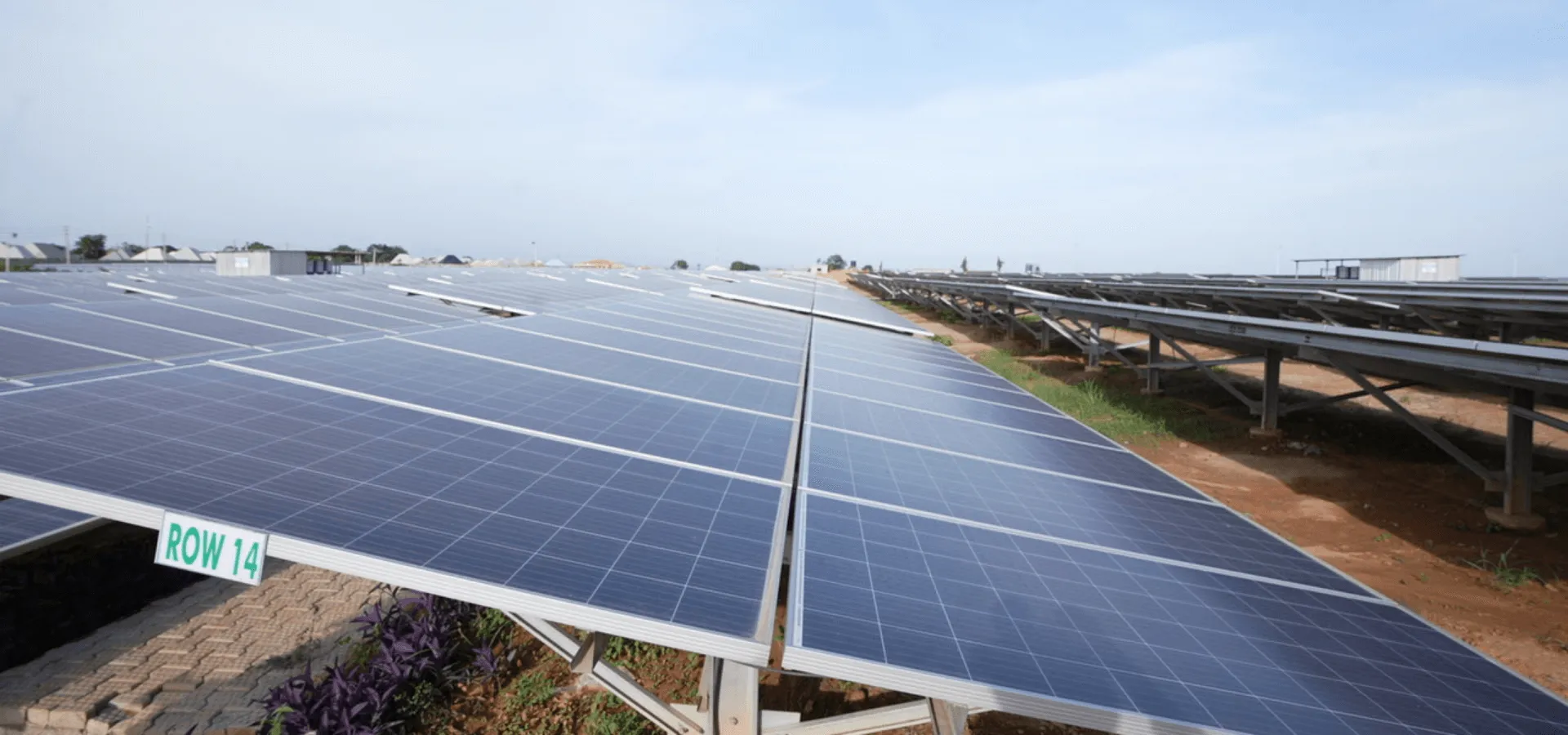
China’s exports of solar cells and panels to Africa rose 83 percent year-on-year in April 2026, reaching 123,787 metric tons compared to 67,552 tons in April 2025, according to Chinese customs data reported by Reuters.
The increase occurred amid accelerating renewable energy demand across African markets driven by electrification programmes, off-grid energy expansion and rising utility-scale solar investments.
However, April shipments declined from March’s peak of 209,474 tons following a global rush by importers to secure supplies before China ended its solar export tax refund policy on April 1, a decision expected to increase export pricing.
Trade flows also showed rising African demand despite broader market adjustments across Europe and Asia. South Africa increased imports by 81.4 percent year-on-year, while the Democratic Republic of the Congo recorded a 482 percent surge to 17,953 tons.
Recent data from energy think tank Ember additionally showed that Nigeria became Africa’s second-largest solar importer in 2025 as total continental solar imports climbed 60 percent year-on-year to 15,032 megawatts (MW).
The federal government had earlier announced plans to phase out solar panel imports as part of efforts to stimulate domestic manufacturing and strengthen Nigeria’s clean-energy industrial base.
DECISION HIGHLIGHT
China’s expanding solar exports to Africa increasingly reflect a structural realignment within global energy demand rather than a temporary trade surge.
The post-tax-refund adjustment also demonstrates how Chinese industrial policy decisions continue to shape renewable-energy supply chains across emerging markets heavily dependent on imported solar infrastructure.
For African economies, rising imports indicate accelerating energy diversification efforts amid persistent electricity deficits and rising demand for decentralised power systems.
DECISION MEMO
Africa’s growing dependence on imported Chinese solar infrastructure highlights both the continent’s accelerating clean-energy transition and the weakness of its domestic manufacturing ecosystem.
While renewable-energy demand continues expanding rapidly across African markets, local industrial participation within the solar value chain remains limited, leaving most countries dependent on imported panels, cells and supporting technologies.
The sharp increase in Chinese exports also reflects how Africa is becoming an increasingly important destination for surplus global renewable-energy manufacturing capacity as developed markets introduce protectionist industrial policies and domestic subsidy regimes.
Nigeria’s emergence as Africa’s second-largest solar importer further underscores the contradiction within its energy transition strategy. Although authorities are promoting local manufacturing and considering import restrictions, domestic production capacity remains insufficient to meet rapidly growing market demand.
The federal government’s proposed import restrictions therefore suggest a broader industrial policy dilemma: whether African economies can simultaneously accelerate energy access while building competitive domestic renewable manufacturing sectors.
China’s pricing dominance, scale efficiency and integrated supply chains continue to make indigenous solar industrialisation difficult for most African markets without sustained policy protection, financing support and technology transfer mechanisms.
DATA BOX
- Africa-bound Chinese solar exports in April 2026:
- 123,787 metric tons
- Africa-bound exports in April 2025:
- 67,552 metric tons
- Year-on-year African export growth:
- 83 percent
- March 2026 export peak:
- 209,474 metric tons
- Southeast Asia imports in April:
- 170,733 metric tons
- Netherlands imports:
- 177,391 tons
- Netherlands shipment value:
- $380.8 million
- Democratic Republic of the Congo import growth:
- 482 percent
- South Africa import growth:
- 81.4 percent
- Africa’s total solar imports in 2025:
- 15,032MW
- Continental import growth:
- 60 percent
- Nigeria’s ranking:
- Africa’s second-largest solar importer
- Key drivers:
- electrification demand
- off-grid solar expansion
- utility-scale energy projects
- post-policy export adjustments
WHO WINS / WHO LOSES
Who Wins:
- Chinese solar manufacturers and exporters
- African renewable-energy developers
- Off-grid electricity providers
- Industrial and commercial energy users
- Governments pursuing energy diversification
Who Loses:
- Local solar manufacturers lacking scale competitiveness
- Import-dependent markets exposed to foreign pricing shocks
- Domestic producers facing Chinese cost advantages
- Weak national grids unable to absorb renewable expansion efficiently
- Smaller African firms excluded from high-volume supply chains
POLICY SIGNALS
China’s export policy adjustments indicate increasing state management of renewable-energy trade dynamics amid intensifying global competition within clean-energy manufacturing.
Across Africa, governments are increasingly treating renewable energy as both an electrification tool and an industrial development opportunity.
Nigeria’s proposed solar import restrictions further suggest growing policy interest in balancing energy-transition goals with domestic manufacturing ambitions.
INVESTOR SIGNAL
Africa’s renewable-energy market continues demonstrating strong medium-term growth potential across:
- solar deployment,
- mini-grid infrastructure,
- battery storage,
- transmission systems,
- local assembly operations,
- industrial energy solutions.
Nigeria’s rising import volumes may also strengthen long-term investment prospects in domestic solar manufacturing if policy consistency, financing access and infrastructure support improve.
The widening gap between renewable-energy demand and domestic manufacturing capacity additionally creates opportunities for joint ventures, localisation partnerships and regional assembly hubs.
RISK RADAR
Heavy dependence on imported renewable infrastructure remains a major structural vulnerability across African energy markets.
Key risks include:
- supply-chain disruptions,
- foreign exchange volatility,
- trade-policy shifts from China,
- weak domestic manufacturing capacity,
- inconsistent renewable-energy regulation,
- inadequate grid infrastructure,
- financing constraints for large-scale deployment.
Protectionist import restrictions without sufficient local industrial readiness could also increase equipment costs and slow renewable-energy adoption across energy-deficient markets.
Discover more from StakeBridge Media
Subscribe to get the latest posts sent to your email.