

By Ayo Susan
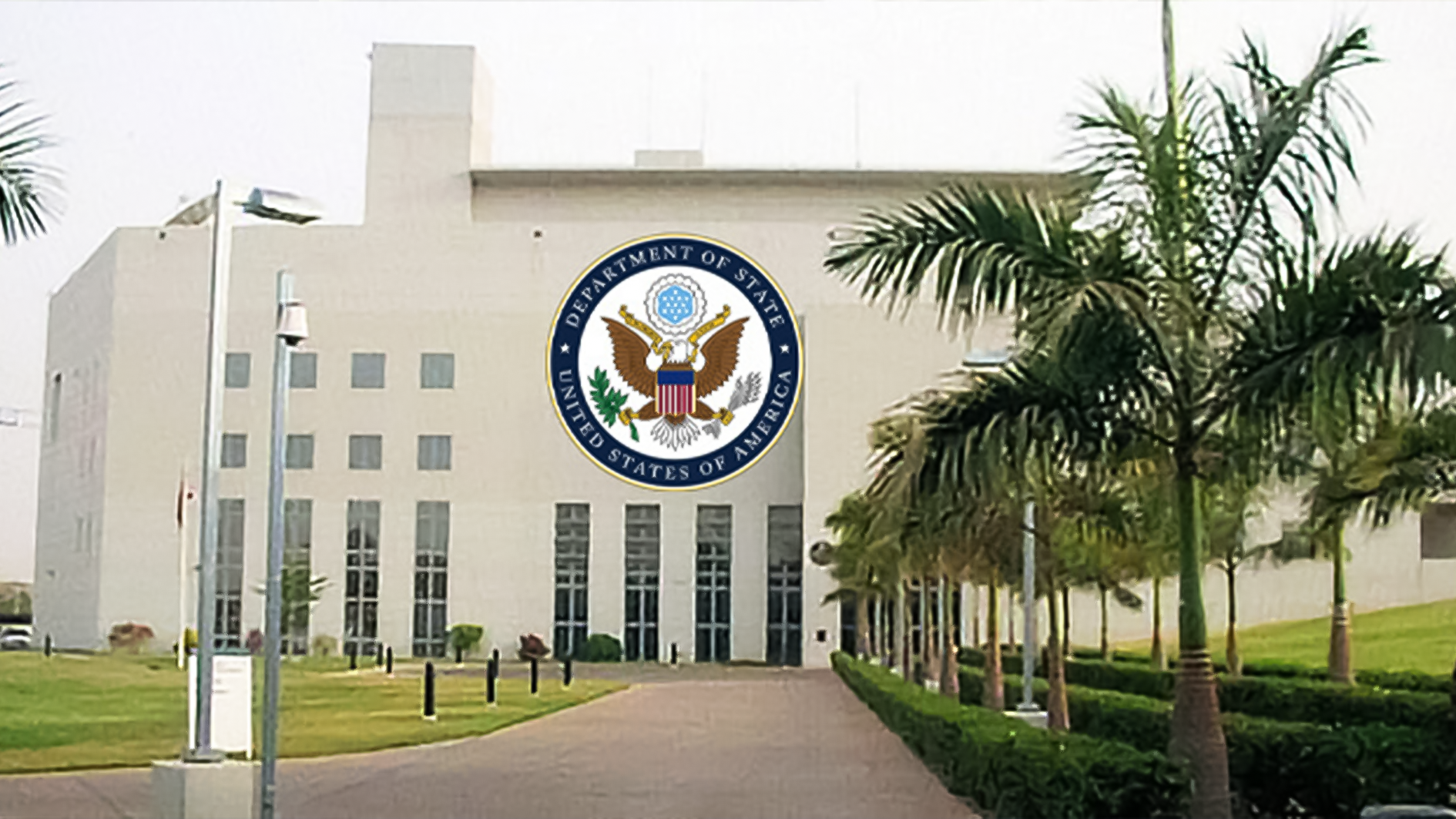
The United States Department of State, under a directive approved by Secretary of State, Marco Rubio, plans to reduce African visa-processing locations from nearly 50 embassies and consulates to 20 regional hubs beginning in June 2026. Lagos, Nigeria, remains a designated processing hub, while the United States Embassy in Abuja is excluded from full visa-processing functions. The restructuring forms part of the Trump administration’s broader immigration-control strategy, combining tighter visa issuance, enhanced vetting and reduced overseas operational footprints. Non-hub countries and locations will retain limited consular services but lose full visa-processing capacity.
The State Department said it is “constantly evaluating its overseas operations in order to deploy taxpayer resources in a way that advances America’s priorities as efficiently and effectively as possible,” including a visa system that “maintains rigorous standards of security screening and vetting and aligns resources and operational capacity with America’s national interests.”
DECISION HIGHLIGHT
Washington is shifting from a distributed visa-processing model to a regional hub structure, prioritising operational consolidation, immigration control and resource optimisation over geographic accessibility.
DECISION MEMO
The decision represents a structural reorganisation of America’s diplomatic service delivery across Africa rather than a routine administrative adjustment. By concentrating visa adjudication in 20 centres, the United States is effectively raising the transaction cost of mobility for applicants while strengthening central oversight of immigration screening.
For Nigeria, Lagos emerges as a strategic diplomatic gateway while Abuja’s exclusion signals a preference for processing concentration over dual-centre redundancy. The policy reflects a broader trend in which migration management increasingly influences diplomatic infrastructure decisions.
The move also shifts part of the compliance burden from government to applicants. Travellers from non-hub locations must absorb additional transportation, accommodation and administrative costs before entering the visa assessment process.
Beyond immigration, the restructuring may reinforce the economic importance of selected hub cities while reducing the functional relevance of excluded diplomatic locations.
DATA BOX
- Visa-processing locations reduced: Nearly 50 to 20
- Effective timeline: Expected June 2026
- Nigerian hub retained: Lagos
- Nigerian location excluded from full processing: Abuja
- Policy authority: United States Department of State
- Approving official: Marco Rubio, Secretary of State
- Remaining services at non-hub locations:
- Passport services for United States citizens
- Emergency consular assistance
- National-interest cases
- Diplomatic visas
- Key policy drivers:
- Immigration control
- Enhanced security vetting
- Operational efficiency
- Resource rationalisation
WHO WINS / WHO LOSES
Winners: Lagos-based applicants, regional hub cities, United States immigration authorities, security-screening operations and service providers benefiting from increased travel flows into hub locations.
Losers: Applicants outside hub cities, residents of non-hub countries, Abuja-based visa applicants and travellers facing higher compliance and mobility costs.
POLICY SIGNALS
- Migration control remains a central United States foreign-policy priority.
- Consular services are increasingly being aligned with security objectives.
- Diplomatic infrastructure is being rationalised around regional efficiency rather than national coverage.
- Visa accessibility is becoming secondary to screening and enforcement considerations.
INVESTOR SIGNAL
The elevation of Lagos as a regional processing hub reinforces its status as West Africa’s primary diplomatic and commercial gateway. Increased travel-related demand could benefit aviation, hospitality, logistics and professional service providers linked to international mobility.
RISK RADAR
- Higher visa-processing bottlenecks at hub locations
- Increased travel costs for applicants
- Longer waiting periods for appointments
- Reduced accessibility for business travellers from non-hub jurisdictions
- Potential diplomatic friction with affected countries
- Concentration risk if operational disruptions occur at major hub centres such as Lagos
Discover more from StakeBridge Media
Subscribe to get the latest posts sent to your email.