

By Ovio Peters
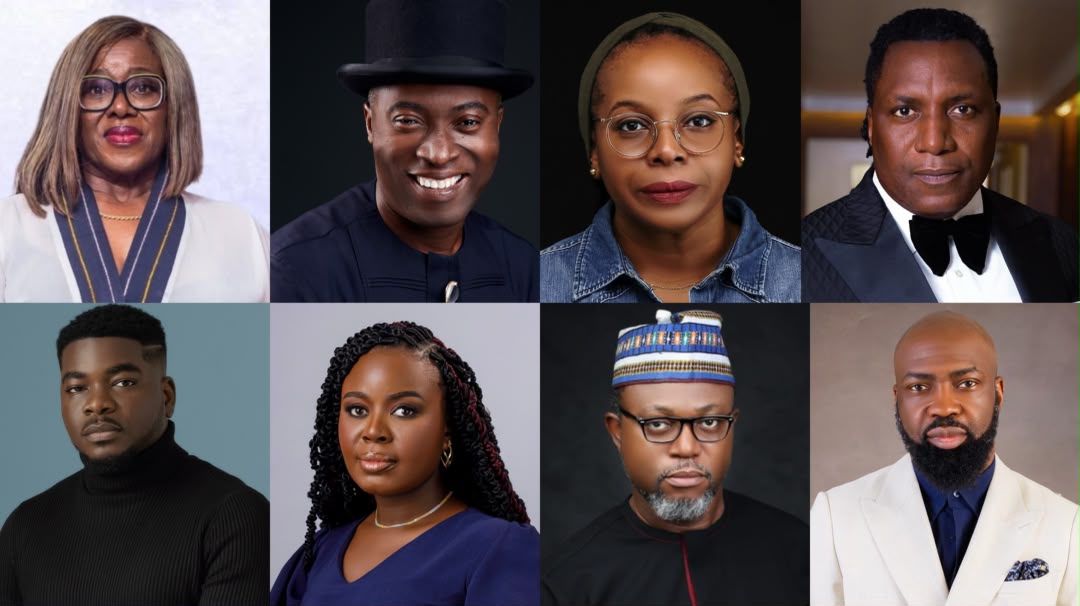
Mighty Media Plus Network Limited, publishers of QEDNG, has confirmed an expanded line-up of creative industry leaders for the QEDNG Creative Powerhouse Summit 2.0, scheduled for Tuesday, August 11, 2026, at Radisson Blu Hotel, Ikeja GRA, Lagos. Under the theme, ‘Creativity, Culture and Nigeria’s Next Chapter,’ the summit will convene government officials, investors, technology leaders and creative professionals to examine how stronger collaboration can accelerate growth, employment and sustainable development in Nigeria’s creative economy. The event will feature Joke Silva, veteran actress; Audu Maikori, co-founder and chairman of Chocolate City Group; Steve Babaeko, founder and chief executive officer of X3M Ideas; Fisayo Fosudo; Efe Omorogbe; Omotayo Inakoju; Yibo Koko; and Anwuli Ojogwu. Earlier announced were Sir Demola Aladekomo, founder of Chams Holding Company Plc, as chairman, and Ife Adebayo, National Coordinator of the Investment in Digital and Creative Enterprises (iDICE) programme at the Bank of Industry (BoI), as keynote speaker.
DECISION HIGHLIGHT
The summit signals a deliberate attempt to reposition Nigeria’s creative economy from an entertainment conversation to an investment, enterprise and public policy agenda. By assembling leaders across publishing, advertising, technology, law, finance, tourism and the arts, QEDNG is effectively arguing that creative industries should be treated as productive economic infrastructure rather than cultural accessories.
DECISION MEMO
For years, Nigeria has celebrated the global visibility of its music, film and fashion industries while largely neglecting the institutional architecture required to convert creativity into scalable economic assets. QEDNG’s summit implicitly challenges that contradiction.
Rather than concentrating on celebrity appeal, the organisers have built a platform around the institutions that determine whether creativity produces sustainable wealth, intellectual property, investment capital, formal employment and export earnings. That broader composition is arguably the summit’s strongest economic statement.
Mr. Olumide Iyanda, publisher of QEDNG and convener of the summit, captured this philosophy, saying: “Our choice of panellists reflects a breadth that is uncommon at creative industry summits. We are bringing together voices from across the creative ecosystem rather than focus on a single sector. The creative economy is much bigger than film or music. It includes publishing, advertising, technology, law, cultural tourism and several other sectors that contribute to economic growth. We have assembled a panel of accomplished professionals whose experiences reflect that diversity and whose insights will enrich the conversations we want to have at this year’s summit.”
The message is difficult to ignore. Nigeria’s creative economy will not become a major contributor to national output merely because creative talent exists. It requires investment frameworks, intellectual property protection, financing mechanisms, commercial partnerships and policy coordination capable of transforming artistic value into bankable assets.
The inclusion of the BoI’s iDICE programme alongside leaders from technology, publishing, advertising and legal practice also suggests that financing is gradually moving closer to creative production. That convergence matters because creative businesses increasingly compete for the same pools of private capital as technology startups and other knowledge-based enterprises.
Equally notable is the deliberate integration of tourism, publishing, media law and digital content into the conversation. This recognises that creative industries operate as interconnected value chains whose collective contribution exceeds the performance of any single subsector.
The summit therefore represents more than another industry gathering. It reflects a growing recognition that Nigeria’s next phase of economic diversification may depend less on discovering new sectors than on institutionalising those that already possess global competitiveness.
DATA BOX
| Indicator | Details |
| Event | QEDNG Creative Powerhouse Summit 2.0 |
| Theme | Creativity, Culture and Nigeria’s Next Chapter |
| Date | August 11, 2026 |
| Venue | Radisson Blu Hotel, Ikeja GRA, Lagos |
| Confirmed panellists | Eight |
| Chairman | Sir Demola Aladekomo |
| Keynote Speaker | Ife Adebayo, Bank of Industry |
| Core focus | Investment, culture, innovation, public policy and creative economy growth |
WHO WINS / WHO LOSES
Who Wins
- Creative entrepreneurs seeking greater access to investment and institutional partnerships.
- Investors searching for scalable opportunities in intellectual property-driven industries.
- Policymakers pursuing economic diversification beyond hydrocarbons.
- Technology, publishing, advertising and tourism businesses positioned within the wider creative value chain.
Who Loses
- Stakeholders who continue to treat the creative economy as an informal entertainment sector rather than a structured investment ecosystem.
- Businesses that fail to commercialise intellectual property or build sustainable enterprise models.
POLICY SIGNALS
- Creative economy policy is shifting towards enterprise development rather than cultural promotion alone.
- Public and private institutions are increasingly recognising intellectual property as an economic asset.
- Cross-sector collaboration is emerging as a prerequisite for sustainable creative industry growth.
- Development finance institutions are likely to play a larger role in expanding creative sector financing.
INVESTOR SIGNAL
The creative economy is gradually evolving into an investable asset class supported by technology, finance, legal infrastructure and intellectual property management. Businesses with scalable content, protected rights, strong governance and diversified revenue models are likely to attract greater institutional attention as financing frameworks mature.
RISK RADAR
Nigeria’s creative economy still faces structural constraints, including weak intellectual property enforcement, limited access to long-term capital, fragmented regulation and inadequate commercial infrastructure. Unless these bottlenecks are addressed alongside industry dialogue, the sector risks producing global creative influence without proportionate domestic economic value.
Discover more from StakeBridge Media
Subscribe to get the latest posts sent to your email.