

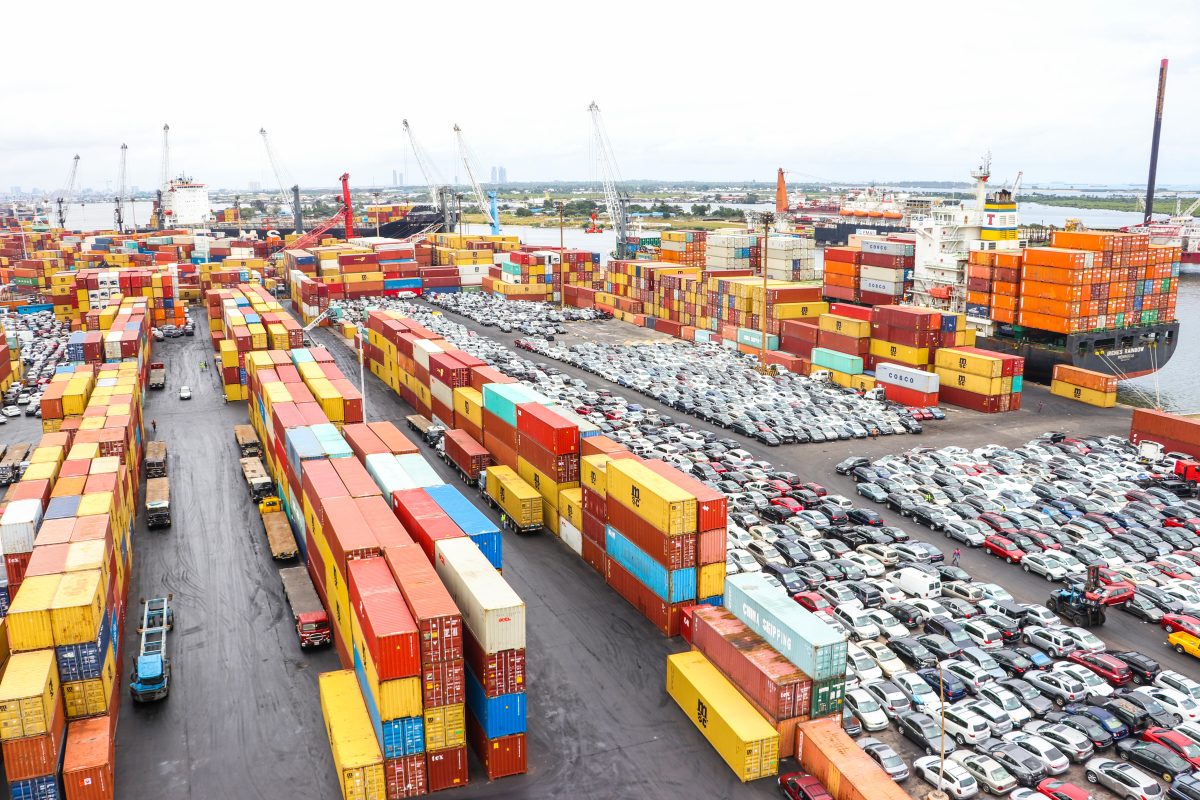
- World Bank Recognition Signals NPA’s Port Reforms Are Reshaping Trade Efficiency
By Enam Obiosio
The World Bank, through its Container Port Performance Index (CPPI) 2025 released in June 2026, ranked the Tin Can Island Port Complex and Apapa Port Complex among the world’s Top 20 Most Improved Ports. The recognition reflects measurable improvements in vessel turnaround time and operational efficiency at Nigeria’s two largest ports under the leadership of Dr. Abubakar Dantsoho, Managing Director of the Nigerian Ports Authority (NPA). The development follows a period of sustained port modernisation, infrastructure upgrades and trade facilitation reforms, and coincides with Nigeria’s continued trade surplus performance, including the N7.54 trillion surplus reported by the National Bureau of Statistics for Q1 2026.
DECISION HIGHLIGHT
The World Bank’s ranking validates the NPA’s strategy of combining infrastructure modernisation, equipment upgrades and operational reforms to improve port productivity and competitiveness.
DECISION MEMO
For years, Nigeria’s maritime competitiveness was constrained by congestion, delays and inefficiencies that elevated logistics costs. The World Bank’s latest assessment suggests that a measurable reversal is underway.
The significance of the ranking lies less in the accolade itself and more in what it signals about institutional execution. The CPPI measures actual vessel time in port, making improvements difficult to achieve through perception management alone. The inclusion of both Apapa and Tin Can among the world’s most improved ports indicates that reform efforts are translating into operational outcomes visible to global shipping stakeholders.
The achievement also strengthens the economic case for continued investment in port infrastructure. Efficient ports function as national trade multipliers, reducing cargo dwell times, facilitating exports and improving supply chain reliability. The Nigerian Ports Authority’s reforms therefore extend beyond maritime administration into broader economic competitiveness.
Dr. Abubakar Dantsoho linked the progress to the policy environment created by President Bola Ahmed Tinubu and support from the Minister of Marine and Blue Economy, Dr. Adegboyega Oyetola.
According to Dantsoho: “With the investor-friendly policies of President Bola Ahmed Tinubu providing the impetus for increased investment to drive our port infrastructure and equipment modernisation programme, coupled with the unflinching support of the Honourable Minister of Marine and Blue Economy, Adegboyega Oyetola, we have all it takes to further enhance trade facilitation, improve competitiveness and boost the national economy.”
The World Bank recognition therefore serves as external validation that Nigeria’s port reform agenda is beginning to deliver outcomes with implications for trade, investment attraction and regional logistics leadership.
DATA BOX
- World Bank Container Port Performance Index (CPPI) 2025
- Apapa Port Complex: Listed among Top 20 Most Improved Ports globally
- Tin Can Island Port Complex: Listed among Top 20 Most Improved Ports globally
- Performance metric: Vessel time spent in port
- Q1 2026 Nigeria trade surplus: N7.54 trillion
- Reporting institution: National Bureau of Statistics
- Reform focus: Infrastructure modernisation, equipment upgrades, operational efficiency and trade facilitation
WHO WINS / WHO LOSES
Winners
- Nigerian Ports Authority
- Exporters and importers
- Shipping lines and logistics operators
- Investors in maritime infrastructure
- Nigeria’s non-oil export sector
- Federal Government trade competitiveness agenda
Losers
- Competing regional ports seeking transshipment traffic
- Businesses that benefit from inefficiencies and delays within port value chains
POLICY SIGNALS
- Sustained commitment to port modernisation
- Increased emphasis on trade facilitation reforms
- Alignment of maritime policy with economic diversification objectives
- Greater focus on operational performance benchmarks and international standards
INVESTOR SIGNAL
The World Bank ranking strengthens the investment narrative around Nigeria’s maritime sector. Independent validation of efficiency gains reduces perceived operational risk, supports confidence in ongoing infrastructure investments and enhances Nigeria’s attractiveness as a logistics gateway for West African trade.
RISK RADAR
- Reform momentum must be sustained to preserve gains
- Infrastructure demand may outpace upgrade timelines as cargo volumes expand
- Regional competition from emerging West African ports remains active
- Continued success depends on maintaining operational discipline, equipment availability and digital process improvements
Discover more from StakeBridge Media
Subscribe to get the latest posts sent to your email.