

By Johnson Emmanuel
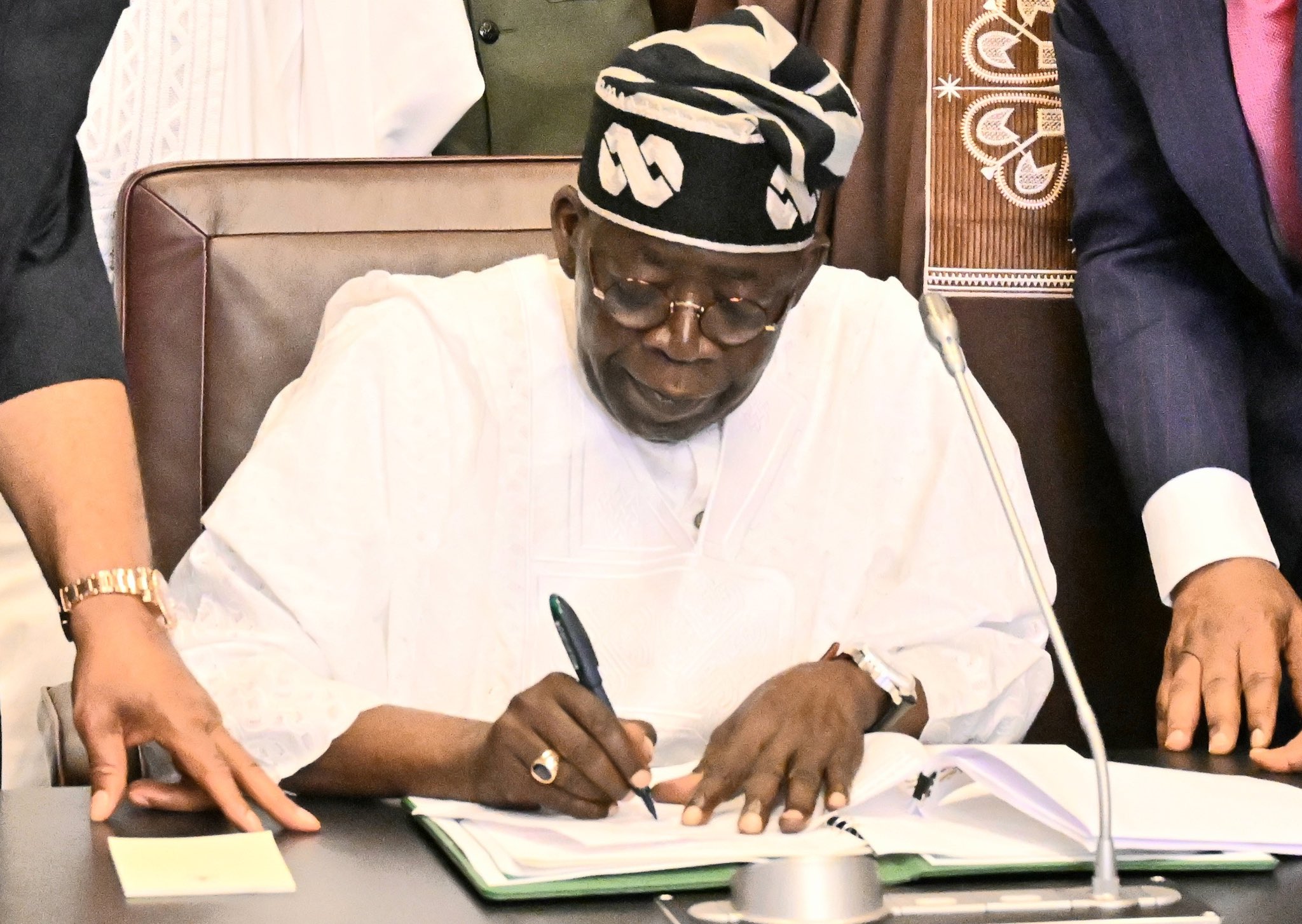
President Bola Ahmed Tinubu has approved the expansion of the Nigerian Army from eight to 12 divisions, alongside the recruitment of 28,000 additional personnel, according to a State House statement issued on 23 July 2026 and signed by Mr. Bayo Onanuga, Special Adviser to the President on Information and Strategy. The restructuring establishes new divisions in Makurdi, Ilorin, Jalingo and Benin City, while reorganising existing formations to improve command and control, decentralise operational decision-making, strengthen border security, protect critical national infrastructure and enhance counter-insurgency operations. Phase One, covering the 5, 9 and 10 Divisions, will conclude by September 2026, while Phase Two, including the 83 Division, is scheduled for completion by December 2026. Tinubu said that the approval reflects his administration’s commitment to equipping the Armed Forces to address “Nigeria’s evolving security challenges effectively and to strengthen national defence capabilities further.” He also commended Lieutenant General Waidi Ibrahim Shuaibu, Chief of Army Staff, and personnel of the Nigerian Army for their “dedication, professionalism, and steadfast commitment to defending Nigeria’s sovereignty and territorial integrity.”
DECISION HIGHLIGHT
The decision represents a structural expansion of Nigeria’s military command system, shifting emphasis from reinforcing existing formations to increasing operational coverage, decentralised command and force responsiveness across multiple theatres.
DECISION MEMO
The approval reflects a strategic judgement that Nigeria’s security environment now requires greater geographical command density rather than incremental reinforcement of existing divisions. By creating additional operational headquarters, the government is attempting to shorten command chains, accelerate deployment decisions and improve military presence across vulnerable regions.
Equally significant is the parallel approval for 28,000 additional personnel. The expansion aligns organisational capacity with manpower growth, avoiding a situation where increased troop strength outpaces command capability. Combined with continued investment in military platforms, troop welfare and force modernisation, the restructuring signals a transition towards a larger and more permanently distributed security architecture.
Tinubu’s commitment to keeping the Armed Forces “adequately equipped, highly motivated, and fully capable of protecting the nation and guaranteeing the safety and security of all Nigerians” indicates that organisational expansion is intended to be supported by sustained investment rather than treated as a standalone reform.
Mr. Onanuga frames the decision as part of a broader modernisation agenda rather than a short-term response to immediate security pressures.
DATA BOX
• Previous Army structure: 8 divisions
• Approved structure: 12 divisions
• New divisions: 5 Division (Makurdi), 9 Division (Ilorin), 10 Division (Jalingo), 83 Division (Benin City)
• Additional recruitment: 28,000 personnel
• Phase One completion: September 2026
• Phase Two completion: December 2026
• Supporting measures:
o Acquisition of military platforms and equipment
o Troop welfare improvements
o Operational readiness programmes
o Force modernisation initiatives
WHO WINS / WHO LOSES
Wins
• Nigerian Army through expanded command capacity and operational reach.
• Border and conflict-prone states benefiting from closer military command structures.
• National infrastructure requiring stronger security coverage.
• Defence logistics and military support industries as force expansion progresses.
Loses
• Armed criminal groups facing quicker military response and wider operational coverage.
• Security gaps created by overstretched command jurisdictions.
POLICY SIGNALS
The administration is prioritising institutional military expansion alongside equipment procurement, indicating that national security policy is increasingly centred on permanent force restructuring, decentralised command and long-term operational readiness.
INVESTOR SIGNAL
Improved security architecture can strengthen investor confidence over time by supporting infrastructure protection, logistics corridors and business continuity. The economic impact, however, will depend on successful implementation and measurable improvements in the security environment.
RISK RADAR
• Fiscal pressure from sustaining larger force structures.
• Recruitment, training and equipment integration challenges.
• Coordination risks during phased organisational transition.
• Effectiveness will depend on intelligence capability and inter-agency collaboration, not organisational expansion alone.
• Delays in implementation could weaken expected operational gains.
Discover more from StakeBridge Media
Subscribe to get the latest posts sent to your email.