

By Ayo Susan
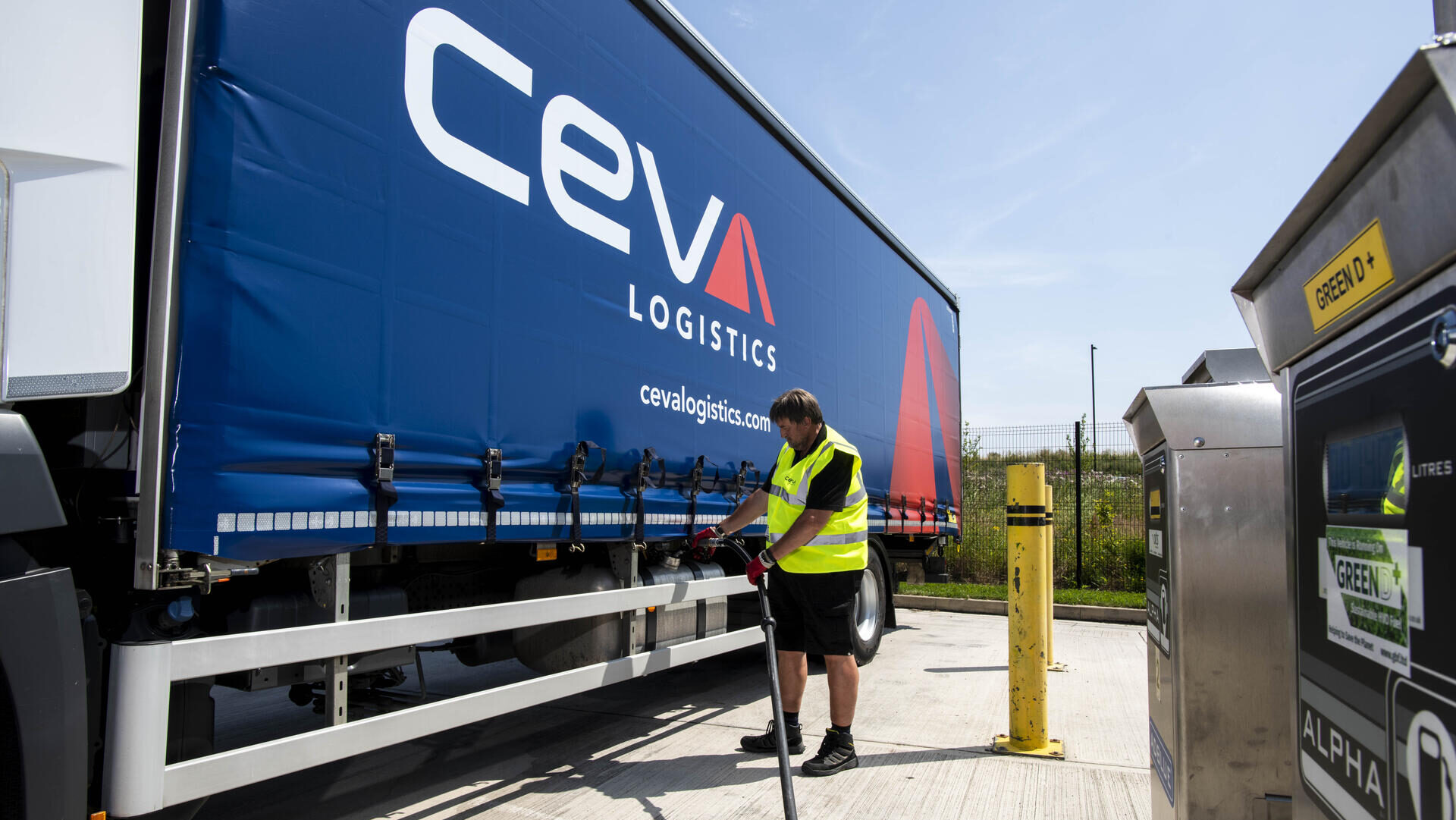
CEVA Logistics and EFL Africa have established a Nigerian joint venture, CEVA EFL Limited, combining EFL’s local operations with CEVA’s global logistics network spanning more than 170 countries. The partnership will provide integrated logistics services across Nigeria and West Africa, supported by dedicated barge operations linking Lagos ports with Inland Container Depots, 140,000 square metres of depot space in Ikorodu and Apapa, an export processing terminal and in-house customs clearance capabilities. The venture is designed to strengthen regional trade connectivity, improve cargo movement efficiency and expand logistics capacity.
DECISION HIGHLIGHT
The partnership reflects growing international confidence in Nigeria’s role as a regional logistics and trade gateway despite persistent infrastructure challenges.
DECISION MEMO
The formation of CEVA EFL Limited is significant because it targets one of the most persistent constraints to trade competitiveness in Nigeria: logistics efficiency.
Nigeria’s market size and strategic location have long attracted commercial interest, yet logistics bottlenecks, port congestion, road transport dependence and supply-chain inefficiencies continue to raise transaction costs for businesses. The joint venture appears designed to address some of these structural weaknesses through integrated logistics infrastructure rather than isolated service offerings.
A notable feature is the emphasis on multimodal transport. By introducing dedicated barge operations for container movement from Lagos ports to Inland Container Depots, the venture seeks to reduce dependence on road haulage, a longstanding challenge affecting cargo turnaround times and supply-chain reliability.
Sylvain Kluba, Vice President of Finance, India, Middle East and Africa at CEVA Logistics, described the partnership as “a bold step forward in our commitment to connecting Nigeria and West Africa to the world.” His assertion that the venture combines “CEVA’s global reach and logistics expertise with EFL’s deep local knowledge and infrastructure” highlights the increasingly common model of pairing international logistics capabilities with local operational expertise.
The investment also reflects a broader regional strategy. Nigeria’s growing importance within the African Continental Free Trade Area framework has increased the strategic value of logistics infrastructure capable of supporting cross-border trade flows. Efficient logistics networks are becoming as important to trade competitiveness as tariffs and market access arrangements.
Yemi Adunola, Chief Executive Officer of EFL, reinforced this strategic ambition, stating that the partnership seeks to “transform logistics in Nigeria and West Africa” while addressing challenges within a “complex market.”
The broader implication is that logistics is increasingly emerging as an investment theme in its own right. As trade volumes expand, competitive advantage may depend less on market access and more on the ability to move goods efficiently, predictably and at lower cost across regional markets.
DATA BOX
| Indicator | Status |
| Joint venture | CEVA EFL Limited |
| Partners | CEVA Logistics and EFL Africa |
| CEVA global footprint | 170+ countries |
| Inland Container Depot capacity | 140,000 sqm |
| Depot locations | Ikorodu and Apapa |
| Logistics assets | Barge operations, export processing terminal, customs clearance |
| Geographic focus | Nigeria and West Africa |
| Strategic objective | Integrated logistics and trade facilitation |
WHO WINS / WHO LOSES
Wins
- Importers and exporters.
- Manufacturers dependent on efficient supply chains.
- Businesses trading across West Africa.
- Inland logistics and cargo handling operators.
- Nigerian ports ecosystem.
Loses
- Inefficient cargo movement systems.
- Excessive dependence on road-based freight transport.
- Businesses exposed to prolonged logistics delays and high transport costs.
POLICY SIGNALS
- Nigeria remains a priority destination for international logistics investment.
- Trade facilitation infrastructure is becoming increasingly important to regional competitiveness.
- Private-sector participation is playing a larger role in logistics modernisation.
- Multimodal transport solutions are gaining strategic relevance.
INVESTOR SIGNAL
The partnership signals growing investor interest in logistics infrastructure linked to regional trade expansion. Warehousing, inland cargo facilities, customs services, port logistics and multimodal transport networks are emerging as critical enablers of economic growth. The investment also suggests confidence in Nigeria’s long-term role within West African trade corridors and AfCFTA-related commerce.
RISK RADAR
- Port congestion and operational bottlenecks.
- Regulatory and customs process delays.
- Infrastructure constraints affecting cargo movement.
- Security risks along transport corridors.
- Dependence on efficient coordination between multiple transport modes.
- Trade volume fluctuations affecting asset utilisation.
- Policy and regulatory changes impacting logistics operations.
Discover more from StakeBridge Media
Subscribe to get the latest posts sent to your email.