

By Olumide Johnson
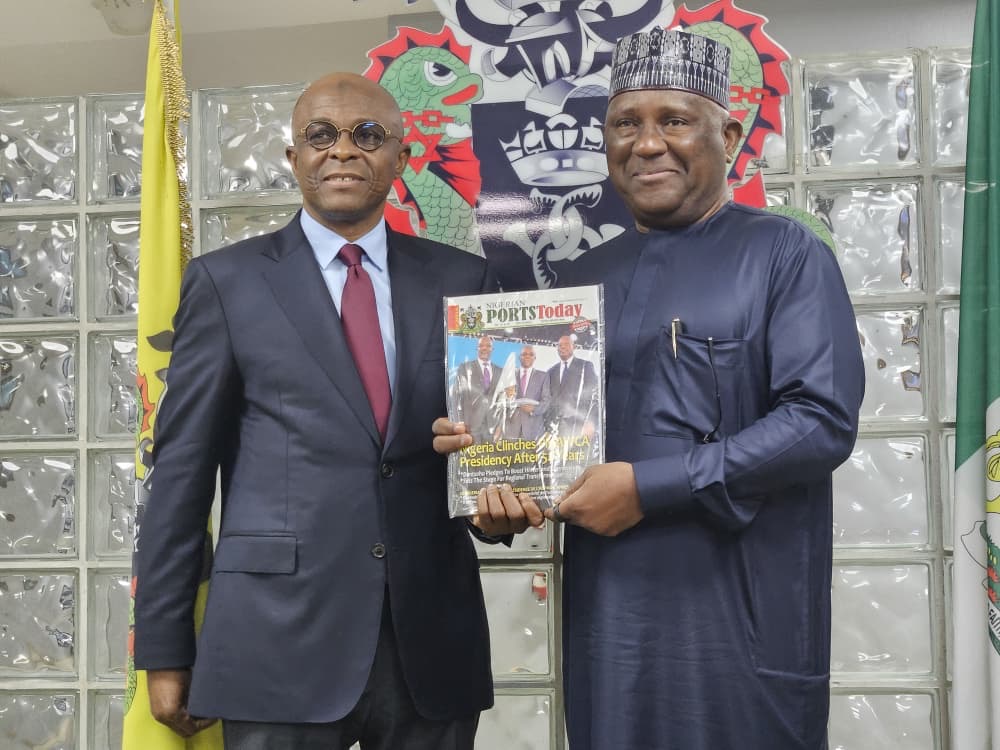
The Managing Director of the Nigerian Ports Authority (NPA), Dr Abubakar Dantsoho, on Thursday, July 30, 2026, received Abdul Samad Rabiu, Chairman of BUA Group, at the authority’s headquarters in Marina, Lagos. Joined by the NPA Executive Management, both parties discussed port expansion plans and increased investment in port infrastructure aimed at improving cargo movement, particularly across Nigeria’s eastern ports.
DECISION HIGHLIGHT
The NPA’s engagement with BUA Group signals a strategic shift from incremental port maintenance towards capacity expansion designed to redistribute cargo traffic and strengthen national logistics efficiency.
DECISION MEMO
The significance of the meeting extends beyond infrastructure planning. By prioritising investment in port expansion, particularly in the eastern corridor, the NPA is addressing one of the structural constraints limiting supply chain efficiency and balanced utilisation of the country’s port assets.
The discussion also reflects a growing alignment between public infrastructure planning and private sector investment. Improving cargo flow through expanded port capacity has implications for vessel turnaround, logistics costs and regional economic activity, while reducing pressure on traditionally congested gateways.
If translated into execution, the initiative could improve the competitiveness of Nigeria’s maritime sector by creating a more balanced cargo distribution network and enhancing the attractiveness of eastern ports for importers, exporters and industrial investors.
DATA BOX
- Date: July 30, 2026
- Venue: Nigerian Ports Authority Headquarters, Marina, Lagos
- Lead institution: Nigerian Ports Authority
- Private sector participant: BUA Group
- Focus areas:
- Port expansion
- Increased investment in port infrastructure
- Improved cargo flow
- Greater utilisation of eastern ports
WHO WINS / WHO LOSES
Winners
- Importers and exporters through potentially improved logistics efficiency
- Businesses operating around eastern ports
- Investors in maritime, manufacturing and logistics value chains
Losers
- Congestion-driven inefficiencies at overstretched ports, if implementation succeeds
- Logistics operators dependent on existing cargo concentration patterns
POLICY SIGNALS
- The Nigerian Ports Authority is reinforcing infrastructure expansion as a core port modernisation strategy.
- Public-private engagement is becoming central to maritime infrastructure development.
- Policy attention is shifting towards balanced utilisation of national port assets rather than concentration on a few gateways.
INVESTOR SIGNAL
For investors, the engagement points to renewed opportunities in port infrastructure, industrial logistics, warehousing and export-oriented manufacturing. Improved capacity and cargo distribution across eastern ports could lower logistics costs and broaden investment destinations beyond Nigeria’s traditional maritime hubs.
RISK RADAR
- Delays in project execution or financing
- Slow private sector investment commitments
- Connectivity constraints between ports and inland transport networks
- Regulatory and operational bottlenecks that could limit infrastructure gains
Discover more from StakeBridge Media
Subscribe to get the latest posts sent to your email.