

By Hannah Yemisi
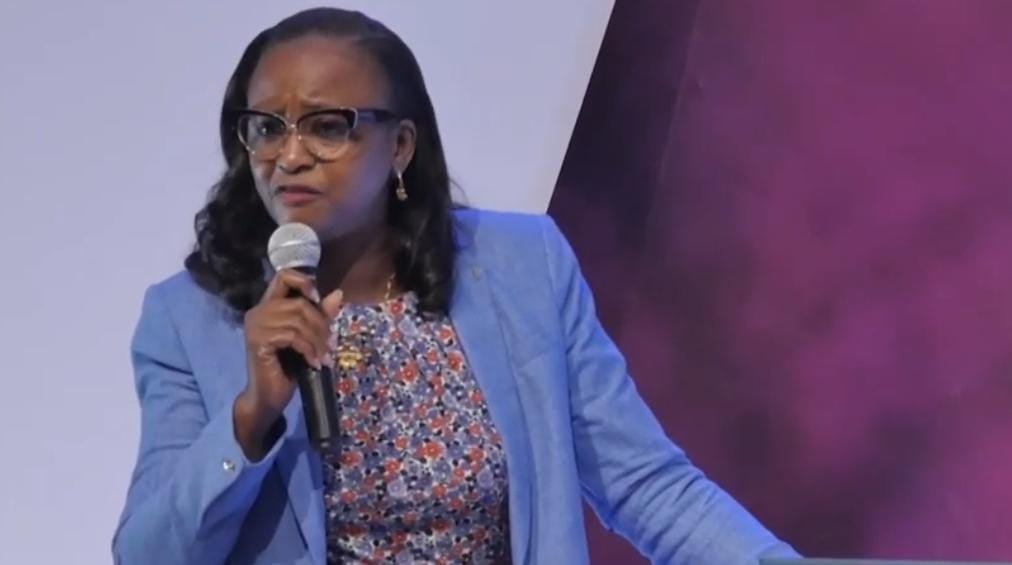
Shell has appointed Elohor Aiboni, former Managing Director of Shell Nigeria Exploration and Production Company Limited (SNEPCo), as Executive Vice President and Country Chair Nigeria, making her the first Nigerian and first woman to occupy the combined role in more than 60 years of Shell’s operations in Nigeria. Aiboni succeeds Marno de Jong, outgoing Executive Vice President and Country Chair Nigeria, who is retiring after a 34-year career with the company. The transition comes as Shell advances major offshore investments, including Bonga North and gas development projects aimed at sustaining production growth and long-term energy output.
DECISION HIGHLIGHT
Shell’s decision signals a deeper shift from expatriate-led management towards indigenous executive leadership at a time when project execution, regulatory engagement and capital deployment are becoming increasingly dependent on local market expertise.
DECISION MEMO
The strategic significance of Aiboni’s appointment extends beyond diversity milestones. It reflects Shell’s growing reliance on local leadership to navigate an evolving Nigerian energy landscape characterised by regulatory reforms, indigenous participation policies and intensified competition for investment capital.
Aiboni brings operational credibility at a period when execution risk has become a critical determinant of project economics. Her leadership of SNEPCo coincided with the production of the one-billionth barrel from the Bonga field in 2023, demonstrating experience in managing large-scale offshore assets that remain central to Shell’s Nigerian portfolio.
The appointment also reinforces a broader trend within the energy sector where local leadership is increasingly viewed as a commercial advantage rather than a compliance obligation. Experience across Nigeria, Kazakhstan and Brunei gives Aiboni a blend of domestic market understanding and international operational exposure.
Marno de Jong, outgoing Executive Vice President and Country Chair Nigeria, said: “I’m confident that Shell operations in Nigeria will continue to deliver value and growth under Elohor, given the strong leadership credentials she brings to the roles.”
Responding, Aiboni stated: “I’m excited at the opportunity to continue to contribute to the efficient delivery of Shell’s business in Nigeria and thereby power progress in a country we’ve been part of for more than 60 years.”
Her reference to continuity suggests that Shell’s immediate priority remains execution of approved investments rather than strategic repositioning. The leadership change therefore appears designed to preserve operational momentum while strengthening local stakeholder engagement.
DATA BOX
- New appointee: Elohor Aiboni
- Position: Executive Vice President and Country Chair Nigeria
- Firsts achieved: First Nigerian and first woman in the role
- Shell presence in Nigeria: More than 60 years
- Shell Group experience: Over 24 years
- SNEPCo milestone under Aiboni: One billionth barrel from Bonga achieved in 2023
- Previous international assignment: Asset Director, Brunei Shell Petroleum (2024)
- Outgoing executive tenure at Shell: 34 years
- Key ongoing projects: Bonga North and offshore gas developments
WHO WINS / WHO LOSES
Winners
- Nigerian professionals seeking greater representation in global energy leadership.
- Shell’s stakeholder engagement efforts in Nigeria.
- Offshore projects benefiting from experienced local leadership.
- The broader local content agenda within the petroleum industry.
Losers
- Traditional expatriate dominance in top-country leadership roles.
- Organisations unable to develop local executive succession pipelines.
POLICY SIGNALS
- Indigenous leadership continues to gain strategic importance in Nigeria’s energy sector.
- Local content objectives are increasingly extending beyond procurement into executive management.
- Energy operators are aligning leadership structures with national participation priorities.
- Project execution capability is becoming a key criterion for leadership appointments.
INVESTOR SIGNAL
The appointment suggests management continuity across Shell’s Nigerian operations and reduces leadership transition risk around major capital projects. Investors are likely to interpret the move as supportive of execution stability for offshore oil and gas developments that underpin future production and cash flow generation.
RISK RADAR
- Leadership continuity must translate into timely delivery of Bonga North and gas projects.
- Regulatory and fiscal uncertainties remain external risks to investment outcomes.
- Offshore project cost inflation could affect expected returns.
- Expectations surrounding local leadership may raise scrutiny of operational performance.
- Energy transition pressures continue to influence long-term hydrocarbon investment decisions.
Discover more from StakeBridge Media
Subscribe to get the latest posts sent to your email.