

By Olumide Johnson
Petrol prices of between N1,400 and N1,480 per litre have triggered fresh increases in transport fares, placing additional pressure on workers, parents and households as the new school term begins.
DEVELOPMENT:
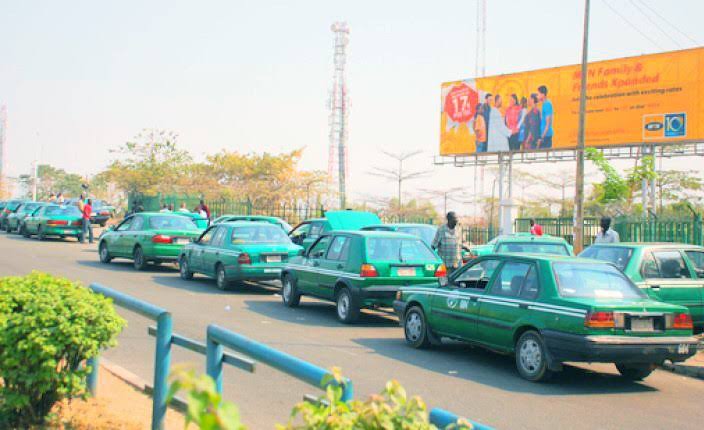
Recent checks found petrol selling at N1,450 to N1,480 per litre at several Abuja filling stations, while transport fares on some major routes increased by 20 to 30 percent. Nyanya-Federal Secretariat fares reportedly rose from about N700 to N1,000, while Federal Secretariat-Lugbe increased from N500 to N700.
Some commuters have responded by walking portions of their journeys, sharing rides, abandoning private vehicles or waiting longer for cheaper buses. Some routes reportedly recorded increases of up to 50 percent.
At the Federal Secretariat, Mrs. Grace Emmanuel said: “Before now, I could budget a particular amount for transport every day. But with the new fares, that amount is no longer enough. By the time I pay for transportation to and from work, there is very little left for feeding and other expenses.”
Mr. Ibrahim Musa said: “Some people who normally drive to work are now parking their vehicles because of the cost of fuel. If you calculate what you spend on fuel every day, especially when there is traffic, it becomes difficult to justify bringing your car to work.”
He also said: “You wake up in the morning and you don’t know whether the fare will remain the same. Sometimes you get to the bus stop and discover that the driver has increased the fare. It makes planning very difficult.”
DATA:
Transport fares on some routes have risen 20 to 30 percent, with some reports indicating increases of up to 50 percent. Nyanya-Federal Secretariat rose from N700 to N1,000, while Federal Secretariat-Lugbe moved from N500 to N700.
SIGNIFICANCE:
The pressure now extends beyond commuting. Mrs. Janet Daniel said: “Taking three children to school every morning is now another major expense.” She added: “We have to prepare food for them before they leave home because buying food outside is becoming too expensive.”
In Garki, Mrs. Amina Yusuf said: “School has just resumed and there are already many things to pay for. Now transport has gone up again. You have school fees, books, uniforms, food and transportation. The salary has not increased because petrol has increased.”
NEXT MOVE:
Watch whether transport fares stabilise or rise further, and whether higher mobility costs begin feeding more visibly into food, education and household expenditure.
OUR LENS:
The deeper development is the shrinking space within household incomes. Mr. Chinedu Okafor said: “I now plan my movements very carefully.” Mrs. Yusuf added: “Before, you could buy food on your way home or give the children money for snacks. Now you have to calculate everything.”
For workers and families, fuel costs are therefore becoming a budgeting issue that reaches far beyond the filling station.
Olumide Johnson is a journalist, reporting on energy, maritime, business, and developments shaping Nigeria’s economy.
Discover more from StakeBridge Media
Subscribe to get the latest posts sent to your email.