

By Johnson Emmanuel
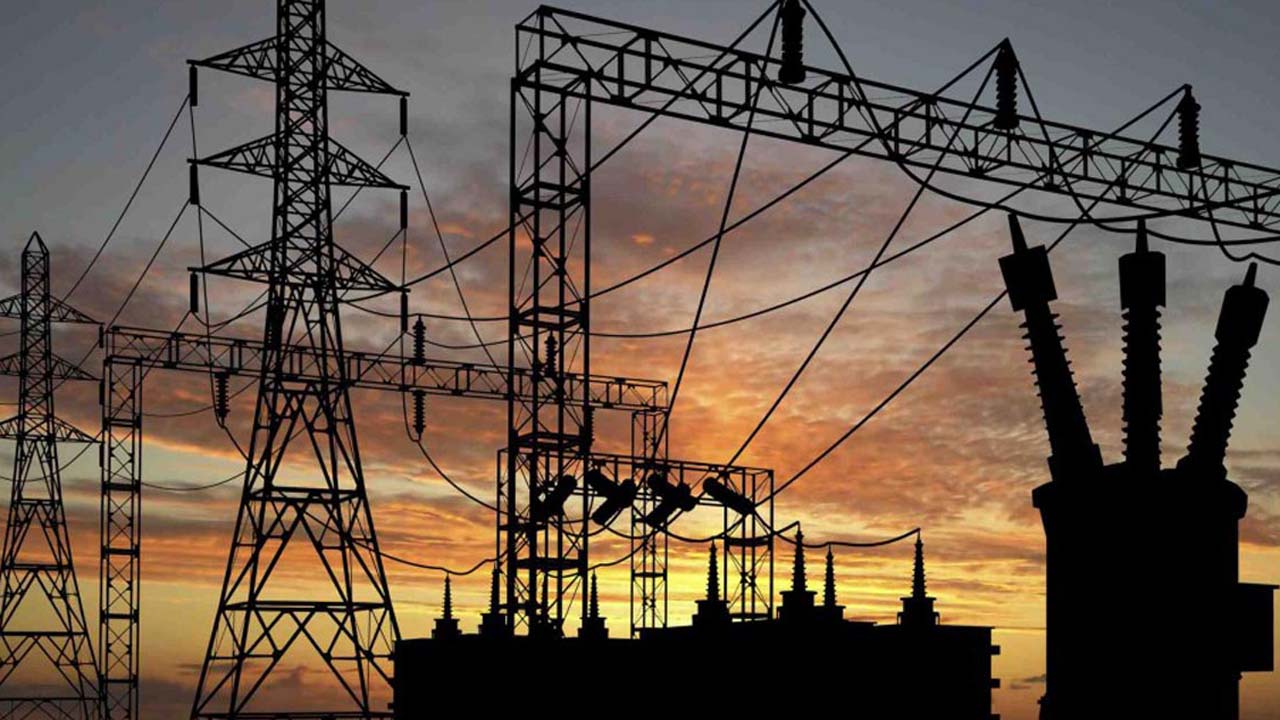
Nigeria’s power sector recently recorded two notable operational developments under the administration of Joseph Tegbe, Honourable Minister of Power. The Transmission Company of Nigeria (TCN) energised a new 300MVA transformer at Katampe, Abuja, aimed at strengthening transmission capacity and improving electricity supply reliability across the Federal Capital Territory (FCT) and adjoining areas. Separately, the Niger Delta Power Holding Company (NDPHC), led by Jennifer Adighije, restored the 450MW Alaoji Power Plant to operation after approximately three years of inactivity. In addition, following the failure of a 100MVA transformer in Abuja, the TCN and AEDC reportedly restored supply to affected customers within 24 hours.
The developments collectively target improvements in transmission resilience, generation availability and grid reliability.
DECISION HIGHLIGHT
The power sector is increasingly focusing on restoring dormant assets and strengthening transmission infrastructure rather than relying solely on new project announcements, signalling a more asset-optimisation approach to electricity sector improvement.
DECISION MEMO
The significance of these developments lies less in their individual announcements and more in what they reveal about current power sector priorities.
Nigeria’s electricity challenge has historically been characterised by three interrelated constraints: inadequate generation availability, transmission bottlenecks and distribution limitations. The energisation of a 300MVA transformer and the revival of a 450MW power plant directly address two of these constraints.
The Katampe transformer project strengthens transmission capacity within one of Nigeria’s most economically significant urban centres. Transmission infrastructure often receives less public attention than power generation projects, yet it remains a critical determinant of whether available electricity can actually reach distribution networks and end users.
Similarly, the restoration of the Alaoji Power Plant reflects a growing recognition that recovering stranded capacity can sometimes deliver faster results than developing entirely new generation assets. A power plant that remains inactive contributes nothing to grid stability regardless of its installed capacity. Bringing such facilities back into operation effectively unlocks previously unavailable generation resources.
The reported restoration of supply within 24 hours following transformer failure also highlights an increasingly important performance metric within the sector: response capability. While infrastructure reliability remains critical, the speed with which faults are addressed increasingly influences public and investor perceptions of operational effectiveness.
Viewed collectively, these developments suggest an emerging emphasis on improving utilisation of existing infrastructure alongside expansion efforts. The broader challenge, however, remains ensuring that additional generation and transmission capacity translates into sustained electricity delivery at the consumer level.
DATA BOX
Transmission Company of Nigeria
- New transformer location: Katampe, Abuja
- Transformer capacity: 300MVA
- Objective:
- Improve transmission capacity
- Enhance supply reliability
- Strengthen grid resilience
Fault Response
- Failed transformer capacity: 100MVA
- Restoration period: Within 24 hours
- Institutions involved:
- Transmission Company of Nigeria
- Abuja Electricity Distribution Company
Niger Delta Power Holding Company
- Facility: Alaoji Power Plant
- Generation capacity: 450MW
- Status before restoration:
- Approximately three years inactive
- Current status:
- Returned to operation
WHO WINS / WHO LOSES
Winners
- Electricity consumers within Abuja and surrounding areas.
- Businesses dependent on improved power reliability.
- Industrial users requiring more stable electricity supply.
- Power sector stakeholders benefiting from increased available capacity.
- Government efforts aimed at improving electricity sector performance.
Potential Losers
- Economic activities affected by continued power supply constraints in areas yet to benefit from upgrades.
- Competing energy sources where grid reliability improves over time.
- Operators unable to sustain operational performance improvements.
POLICY SIGNALS
- Asset rehabilitation is becoming a key component of power sector strategy.
- Transmission infrastructure is receiving increased operational attention.
- Government is prioritising service continuity and system resilience.
- Existing generation assets are being reactivated to improve available capacity.
- Operational efficiency is emerging alongside infrastructure expansion as a reform objective.
INVESTOR SIGNAL
The developments provide evidence of incremental improvements within critical segments of the electricity value chain. The restoration of dormant generation capacity and expansion of transmission infrastructure suggest increasing attention to asset productivity and network reliability. For investors, these measures indicate efforts to improve the operational foundations of the power sector, although long-term confidence will depend on sustained performance, commercial viability and the conversion of installed capacity into delivered electricity.
RISK RADAR
- Transmission constraints limiting evacuation of additional generation.
- Distribution network weaknesses reducing end-user benefits.
- Sustainability risks affecting revived generation assets.
- Maintenance deficiencies leading to future infrastructure failures.
- Gas supply and operational challenges affecting generation output.
- Persistent gap between installed capacity and actual delivered power.
- Financial pressures across the electricity value chain.
The broader implication is that Nigeria’s power sector is increasingly pursuing gains through infrastructure optimisation and asset recovery. While such interventions can improve available capacity and reliability, their long-term impact will ultimately depend on sustained operational performance across generation, transmission and distribution networks.
Discover more from StakeBridge Media
Subscribe to get the latest posts sent to your email.