

By Johnson Emmanuel
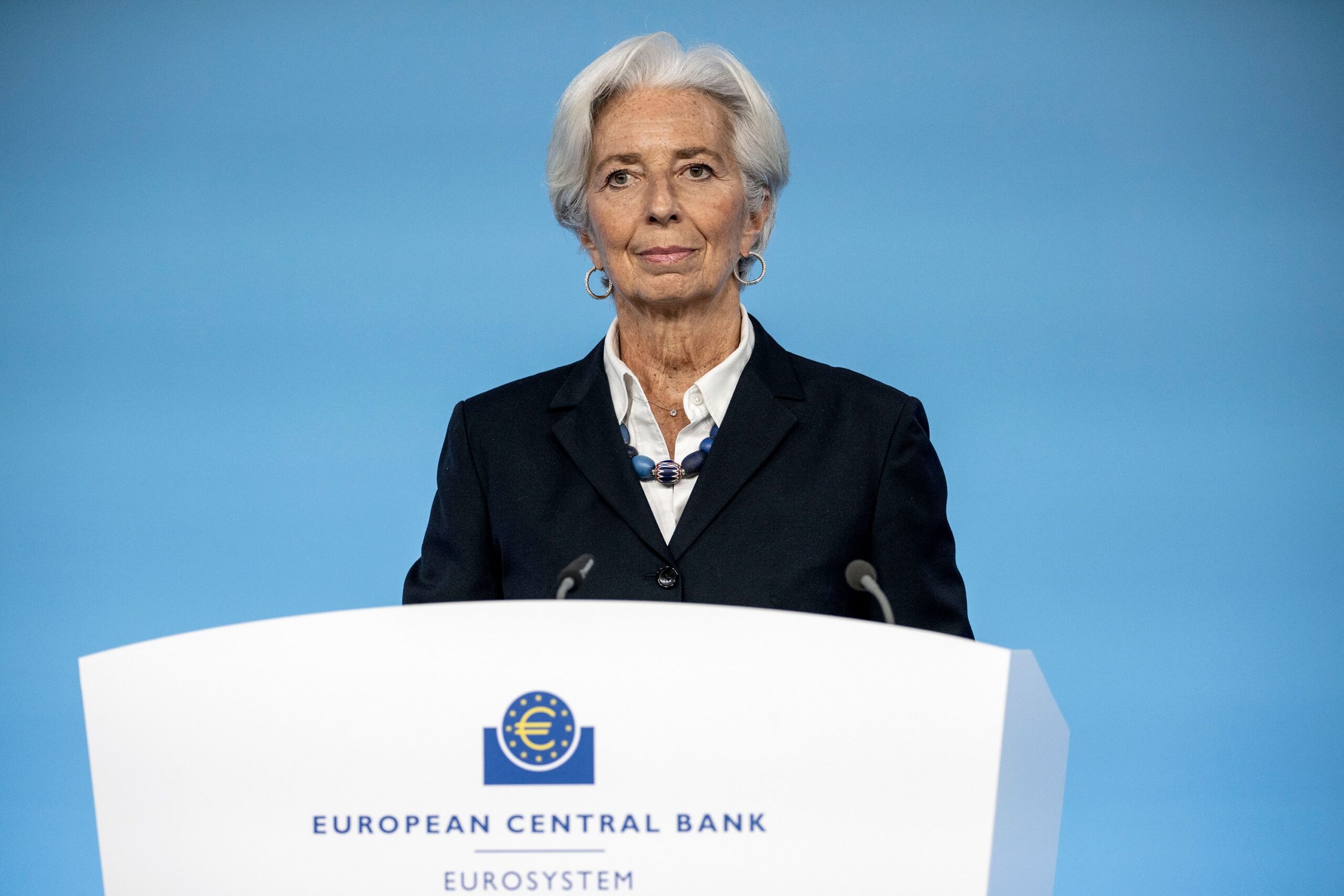
Christine Lagarde, President of the European Central Bank (ECB), has called for stronger protection of central bank independence amid growing political, fiscal and economic pressures confronting monetary authorities globally. Speaking at the recent conference in Phnom Penh, Cambodia, attended by central bankers from emerging and developing economies, including parts of West Africa and the Middle East, Lagarde argued that the challenge is no longer merely establishing central bank independence but preserving it during periods of political contestation and economic stress. Her remarks come amid increasing scrutiny of monetary policy decisions, concerns over government debt burdens and renewed debates about political influence on interest-rate setting.
DECISION HIGHLIGHT
Lagarde is advocating the preservation of institutional autonomy for central banks, arguing that monetary policy credibility, inflation control and macroeconomic stability depend on insulating policy decisions from short-term political pressures.
DECISION MEMO
Lagarde’s intervention reflects a growing global debate over the future of central banking in an era of heightened economic volatility, fiscal strain and political polarisation.
For much of the past three decades, central bank independence has been regarded as a cornerstone of macroeconomic management. The underlying principle is that monetary authorities should be able to make interest-rate and liquidity decisions based on economic conditions rather than electoral considerations.
Lagarde’s remarks suggest that the issue has evolved. The concern today is less about formal independence and more about whether institutions can retain operational autonomy when confronted with political demands for lower borrowing costs, faster growth or fiscal accommodation.
As Lagarde stated: “The question is no longer simply how to guarantee independence. It is how to protect it when it is put to the test.”
Her reference to the inflationary experiences of the 1970s is significant. Historical evidence from that period generally showed that countries with weaker central bank independence often experienced higher and more persistent inflation because monetary policy became vulnerable to political cycles.
According to Lagarde, “This evidence underscored the need to shield monetary policy decisions from the electoral cycle.”
The remarks also carry implications for emerging markets. Contrary to conventional assumptions, Lagarde suggested that advanced economies may now have lessons to learn from developing countries that have historically operated under more complex economic and political conditions.
She told participants: “We have more to learn from your experience than the other way around.”
The broader warning concerns credibility. As inflation, public debt and geopolitical uncertainty increase, pressure on central banks to support government objectives may intensify. At the same time, declining public trust in institutions could weaken the effectiveness of monetary policy.
Lagarde therefore framed independence not as institutional privilege but as a mechanism for preserving policy credibility during periods when decisions are politically unpopular but economically necessary.
DATA BOX
- Speaker:
- Christine Lagarde
- President, ECB
- Event location:
- Phnom Penh, Cambodia
- Key policy concern:
- Protection of central bank independence
- Major risks identified:
- Political interference
- Rising public debt
- Declining institutional trust
- Economic shocks
- Historical reference:
- 1970s oil shock and stagflation period
- Related concern raised by:
- Isabel Schnabel
- ECB Executive Board Member
- Schnabel’s warning:
- Rising government debt may increase pressure on central banks to keep interest rates artificially low
- Key Lagarde quotes:
- “The question is no longer simply how to guarantee independence. It is how to protect it when it is put to the test.”
- “We have more to learn from your experience than the other way around.”
- “To best serve the public interest, a central bank must be close enough to the state — but independent enough to resist the pressures of the moment.”
WHO WINS / WHO LOSES
Who Wins
- Central banks maintaining operational autonomy.
- Savers benefiting from stronger inflation control.
- Long-term investors seeking policy predictability.
- Financial markets reliant on credible monetary frameworks.
- Economies pursuing macroeconomic stability.
Who Loses
- Political actors seeking short-term monetary accommodation.
- Governments dependent on artificially low borrowing costs.
- Economic interests benefiting from inflationary policies.
- Institutions weakened by credibility erosion.
POLICY SIGNALS
Lagarde’s remarks signal continued global support for independent monetary institutions despite increasing fiscal and political pressures.
They also suggest that debt sustainability, inflation management and institutional credibility are becoming increasingly interconnected policy issues.
For developing economies, the comments reinforce the importance of protecting monetary institutions even when governments face strong political incentives to prioritise short-term growth objectives.
INVESTOR SIGNAL
For investors, central bank independence remains a critical indicator of macroeconomic credibility.
Countries with credible and autonomous monetary authorities generally attract stronger long-term capital flows, maintain lower inflation expectations and provide greater policy predictability. Any perceived erosion of independence may increase risk premiums, currency volatility and borrowing costs.
RISK RADAR
- Political interference in monetary policy.
- Fiscal dominance arising from rising government debt.
- Inflation persistence.
- Erosion of central bank credibility.
- Declining public trust in institutions.
- Geopolitical and economic shocks.
- Pressure to maintain artificially low interest rates.
- Reduced effectiveness of monetary policy transmission.
The central message from Lagarde is that the value of central bank independence is tested not during periods of stability but during moments of political and economic strain. The resilience of monetary institutions may therefore become an increasingly important determinant of future macroeconomic stability.
Discover more from StakeBridge Media
Subscribe to get the latest posts sent to your email.