

By Johnson Emmanuel
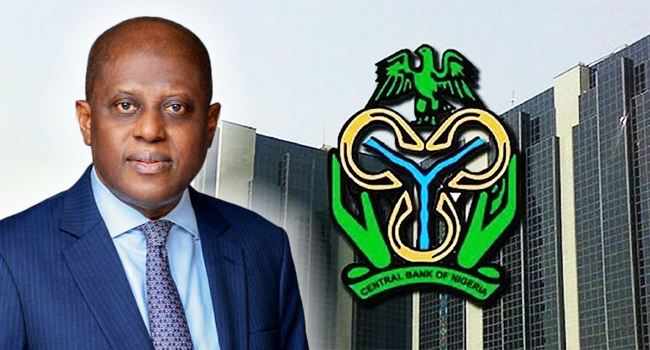
The Governor of Central Bank of Nigeria (CBN), Mr. Olayemi Cardoso, recently appeared before the Senate Committee on Banking, Insurance and Other Financial Institutions, chaired by Senator Adetokunbo Abiru, in the committee’s first statutory engagement of 2026 as required under the Central Bank of Nigeria Act. Cardoso defended the bank’s monetary policy performance on inflation, foreign exchange management, external reserves and bank recapitalisation, arguing that coordinated reforms over the past three years had consolidated macroeconomic gains recorded in 2025 despite temporary inflationary pressure from the Middle East conflict. He said that headline inflation eased to 15.91 percent in June 2026 after rising to 15.93 percent in May, external reserves reached US$52.73 billion as of 9 July 2026, and banks raised N4.65 trillion under the recapitalisation programme, with 33 banks meeting revised capital requirements. Cardoso said, “We remain fully committed to restoring price stability and achieving single-digit inflation over the medium term.” Abiru acknowledged improvements in foreign exchange stability and recapitalisation but cautioned that “Recapitalisation should not become an end in itself” and stressed that stronger banks must expand affordable credit to productive sectors.
DECISION HIGHLIGHT
The Senate’s oversight shifted attention from whether monetary reforms have stabilised macroeconomic indicators to whether those gains are translating into broader financial intermediation, consumer protection and sustainable economic growth.
DECISION MEMO
The hearing demonstrates that the debate over Nigeria’s monetary reforms has entered a new phase. Early policy success is no longer being measured solely by inflation moderation, exchange rate stability or reserve accumulation, but by whether those improvements produce tangible economic outcomes.
Cardoso’s presentation sought to establish policy credibility through evidence of macroeconomic consolidation. Inflation has remained broadly contained despite external geopolitical shocks, foreign exchange reforms have strengthened market confidence, and stronger external reserves have improved Nigeria’s external position. Equally, the completion of most bank recapitalisation requirements suggests that regulatory stability has largely been restored.
However, the Senate’s scrutiny indicates that macroeconomic stabilisation alone is insufficient. Abiru’s observation that larger bank balance sheets must translate into productive lending reframes recapitalisation as a means rather than an end. His concerns over unresolved bank compliance, consumer complaints, excessive charges and cybersecurity risks suggest that financial sector resilience must now be matched by stronger market conduct and economic transmission.
Cardoso’s commitment to “restoring price stability and achieving single-digit inflation over the medium term” positions the Central Bank’s next challenge beyond stabilisation towards sustaining confidence while supporting productive economic activity.
DATA BOX
- Statutory engagement: First Senate briefing of 2026
- Headline inflation:
- February 2026: 15.06 percent
- May 2026: 15.93 percent
- June 2026: 15.91 percent
- Monetary Policy Rate:
- Reduced from 27 percent to 26.5 percent
- External reserves (9 July 2026): US$52.73 billion
- Average exchange rate (H1 2026): N1,375.40/US$
- Diaspora remittances:
- Increased from about US$200 million to over US$600 million monthly
- Target: US$1 billion monthly by end-2026
- Bank recapitalisation:
- Fresh capital raised: N4.65 trillion
- Domestic investors: 72.55 percent
- Foreign investors: 27.45 percent
- Banks meeting new capital requirements: 33
WHO WINS / WHO LOSES
Wins
- The Central Bank of Nigeria through stronger policy credibility and improved macroeconomic indicators.
- Banks that completed recapitalisation and strengthened capital buffers.
- Investors benefiting from improved foreign exchange transparency and reserve accumulation.
Loses
- Banks yet to meet revised capital requirements.
- Speculative foreign exchange activities constrained by market reforms.
- Consumers if high banking charges and service complaints remain unresolved.
POLICY SIGNALS
Policy focus is shifting from emergency macroeconomic stabilisation to strengthening financial sector transmission. Regulatory priorities now include ensuring that stronger banks expand productive credit, improve governance, protect consumers and sustain monetary stability.
INVESTOR SIGNAL
The combination of moderating inflation, stronger external reserves, exchange rate stability and successful recapitalisation strengthens Nigeria’s macroeconomic investment case. Investors will now monitor whether banking sector resilience translates into increased lending, private sector expansion and durable economic growth.
RISK RADAR
- External geopolitical shocks could reignite inflationary pressure.
- Delayed compliance by remaining banks may create supervisory risks.
- Weak credit transmission could dilute recapitalisation benefits.
- Consumer protection, cybersecurity and banking conduct remain emerging regulatory priorities.
- Sustaining exchange rate stability will depend on continued reserve strength, foreign exchange liquidity and disciplined monetary policy.
Discover more from StakeBridge Media
Subscribe to get the latest posts sent to your email.