

By Johnson Emmanuel
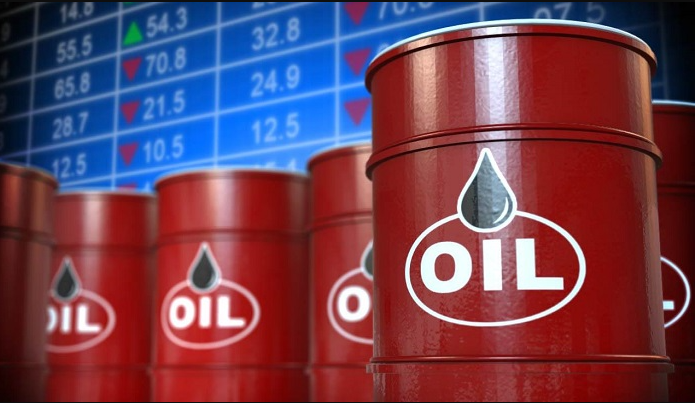
Global oil prices fell more than one percent recently after reports that Iran was reviewing a proposed United States agreement aimed at extending a ceasefire, reopening the Strait of Hormuz and reducing tensions in the Gulf. United States President, Donald Trump, said that negotiations with Iran were continuing and that an agreement could emerge within a week. Brent crude declined 1.2 percent to $93.85 per barrel, while West Texas Intermediate fell 1.2 percent to $91.07. The pullback followed a more than five percent rally two days ago, although prices remain elevated due to shipping restrictions in the Strait of Hormuz and concerns over tightening global inventories.
DECISION HIGHLIGHT
Markets are beginning to price in the possibility of diplomatic de-escalation between the United States and Iran, but physical supply disruptions continue to support a substantial geopolitical risk premium.
DECISION MEMO
The latest price decline reflects a shift from immediate conflict risk toward negotiation risk. Markets are attempting to assess whether diplomacy can restore normal energy flows before supply shortages intensify during the northern hemisphere’s peak demand season.
The key variable is not the ceasefire announcement itself but whether it translates into unrestricted movement through the Strait of Hormuz. Diplomatic progress has softened fears of a prolonged disruption, yet shipping constraints remain largely intact.
The market therefore remains caught between two opposing forces: expectations of a political settlement and evidence of ongoing physical supply restrictions. This explains why prices have retreated from recent highs without fully unwinding the conflict-driven premium.
Comments from the International Energy Agency and Gulf producers suggest that inventory depletion, rather than immediate production losses, may become the dominant driver of prices if disruptions persist into August.
DATA BOX
- Brent crude: $93.85/barrel, down 1.2%
- West Texas Intermediate: $91.07/barrel, down 1.2%
- Previous session gain: More than 5%
- May price decline: More than 16%
- Global oil and liquefied natural gas flows affected: Approximately 20%
- Estimated United States crude inventory draw:
- 3.6 million barrels
- Potential negotiation timeline:
- Within one week, according to Trump
- Strategic chokepoint:
- Strait of Hormuz
KEY QUOTES
Donald Trump, President of the United States: Negotiations with Iran are continuing and there would be a deal to extend the ceasefire and reopen the Strait of Hormuz over the next week.
Giovanni Staunovo, Analyst, UBS: “Oil flows through the Strait remain restricted.”
Tim Waterer, Chief Market Analyst, KCM Trade: “The market is currently focused on whether there’s any concrete progress or setbacks in U.S.-Iran negotiations.”
WHO WINS / WHO LOSES
Winners: Oil-importing economies, airlines, manufacturers and energy-intensive industries that benefit from easing crude prices.
Losers: Oil exporters seeking sustained high prices, refiners facing supply uncertainty and shipping operators exposed to Gulf disruptions.
POLICY SIGNALS
- Energy security remains heavily linked to Middle East geopolitics.
- Diplomatic outcomes are exerting greater influence on prices than production fundamentals.
- Strategic maritime routes remain central to global energy stability.
- Inventory management is becoming an increasingly important policy concern.
INVESTOR SIGNAL
Investors should monitor negotiations rather than headline price movements. A credible ceasefire and reopening of Hormuz could compress risk premiums, while prolonged restrictions could tighten inventories and trigger another upward price cycle. Energy, shipping and commodity markets remain highly sensitive to geopolitical developments.
RISK RADAR
- Breakdown of United States-Iran negotiations
- Continued restrictions in the Strait of Hormuz
- Accelerating inventory drawdowns
- Peak summer demand pressure
- Escalation of wider Middle East conflicts
- Increased volatility across energy and shipping markets
- Secondary inflation effects for fuel-importing economies
Discover more from StakeBridge Media
Subscribe to get the latest posts sent to your email.