

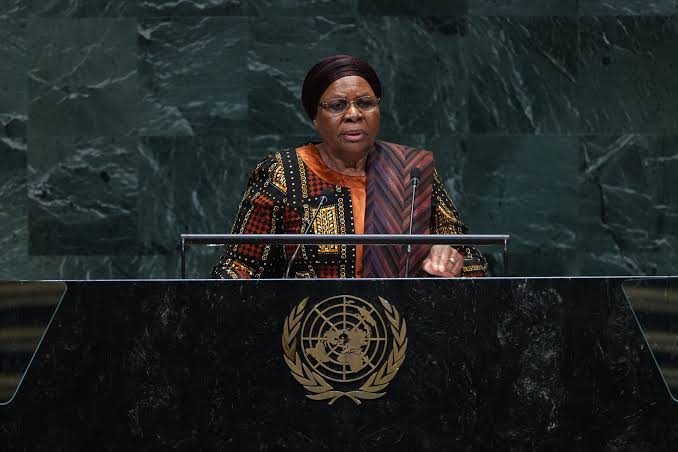
We cannot examine the structure of the United Nations (UN) Security Council in 2026 without confronting a basic historical contradiction. We are operating an international system designed in the aftermath of the Second World War, while the distribution of population, economic weight, political influence and security responsibilities has changed substantially.
We therefore understand the argument behind Nigeria’s renewed demand for at least two permanent African seats and five non-permanent seats. The issue is not simply about adding African names to an institutional structure. It is about whether an organisation established to represent the international community can continue to exclude an entire continent from its highest category of decision-making.
We should also recognise the particular logic of Nigeria’s position. Africa carries a substantial share of the United Nations peace and security agenda, while African countries have repeatedly supplied personnel, resources and diplomatic initiatives to address conflicts on the continent. Nigeria has participated in peace operations and regional security initiatives from Liberia and Sierra Leone to Darfur, Mali and The Gambia.
That record does not automatically establish a claim to permanent membership. But it provides an important basis for the argument that responsibility and representation should not remain permanently disconnected.
We should pay particular attention to President Bola Ahmed Tinubu’s formulation that “the world of 2026 cannot remain captive to the distribution of power in 1945”. The point is not that history should be discarded. It is that institutions created by history must retain sufficient legitimacy to govern the realities of the present.
We should equally understand why Nigeria has anchored its proposal in the Ezulwini Consensus and Sirte Declaration. A fragmented African position would weaken the continent’s negotiating capacity. A common position, by contrast, establishes a defined framework around two permanent seats, five non-permanent seats and equal rights and responsibilities for permanent members, including the veto for as long as the veto remains part of the Council’s structure.
We must, however, distinguish between making a persuasive case and securing institutional reform. Security Council reform requires agreement among a wide range of states with different interests. The permanent members themselves possess considerable influence over the architecture that Nigeria and other African states seek to change. Consequently, diplomatic persistence, African coordination and negotiation will matter as much as the strength of the argument.
We should also see that Nigeria’s Security Council proposal does not stand alone. The case is connected to wider questions about international finance, climate finance, technology transfer, debt sustainability and African industrialisation. A continent seeking greater representation in global governance must also strengthen its economic capacity to participate meaningfully in that governance.
This is particularly relevant to Nigeria. We cannot ask for greater influence internationally while treating domestic economic transformation as secondary. Strong institutions, productive industries, regional trade, technological capacity and credible public finance strengthen the substance behind diplomatic ambition.
We should therefore regard Security Council reform not merely as a question of diplomatic prestige, but as part of the larger debate about how global power is organised.
Africa cannot determine the outcome alone. But we can make the case coherently, coordinate our interests, demonstrate institutional responsibility and insist that representation should increasingly reflect the realities of the world we now inhabit.
The enduring question is therefore not whether the international system can preserve the arrangements of 1945. It is whether those arrangements can continue to command legitimacy in 2026 and beyond.
Discover more from StakeBridge Media
Subscribe to get the latest posts sent to your email.